

Share This Article
In the vibrant tapestry of Thai culture, superstitions weave an intricate pattern that influences daily life, decisions, and social interactions. Rooted in a blend of ancient beliefs, Buddhism, and folklore, these superstitions offer a fascinating glimpse into the Thai psyche. Here, we delve into eight unique Thai superstitions that continue to shape behaviours and traditions in the Land of Smiles.
1. The Ominous Call of the Tokay Gecko
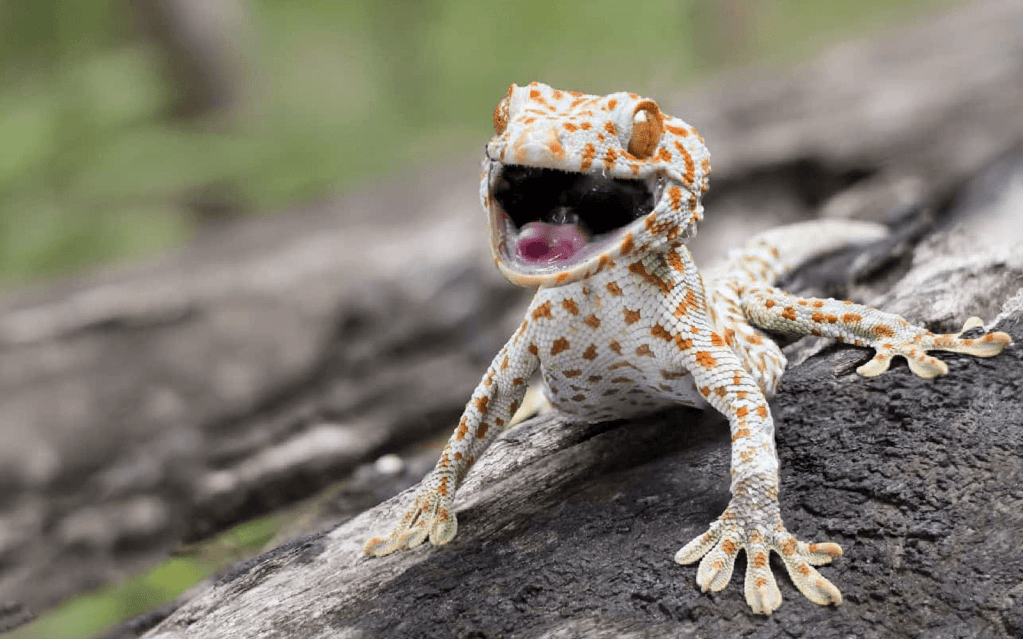

In Thailand, the tokay gecko’s distinctive call is more than just nocturnal background noise; it’s considered a harbinger of significant events. A common belief suggests that if a tokay gecko calls from the right side, it brings good luck, while a call from the left is deemed inauspicious. Additionally, hearing the gecko’s call seven times consecutively is thought to herald positive news or the arrival of a guest. This superstition reflects the deep connection Thais have with nature and their environment, interpreting animal behaviours as signs from the spiritual realm.
2. The Spirit of the Banyan Tree


Trees, especially the venerable banyan, hold a sacred place in Thai culture. It’s widely believed that spirits, known as ‘Nang Mai,’ inhabit large trees. Cutting down such a tree without performing the proper rituals to appease its spirit can lead to misfortune or illness. To honour these spirits, Thais often wrap colourful cloth around the trunks and leave offerings at the base. This practice underscores the harmonious coexistence between the physical and spiritual worlds in Thai belief systems.
3. Whistling at Night Invites Ghosts

A light-hearted whistle to a tune after dusk might seem harmless, but in Thailand, it’s discouraged. The superstition holds that whistling at night attracts wandering spirits and malevolent entities. This belief likely stems from the idea that certain sounds can pierce the veil between the human and spirit worlds, inadvertently inviting unwanted supernatural attention. As a result, many Thais avoid whistling after sunset to maintain household harmony and peace.
4. The Auspiciousness of Monitor Lizards

Encountering a monitor lizard, locally known as ‘hia,’ can be a double-edged sword in Thai superstition. While the word ‘hia’ is often used as a pejorative term, seeing one near your home is paradoxically considered a sign of impending good fortune. Some individuals even go as far as feeding these reptiles to curry favour and attract wealth. This belief highlights the complex relationship between language, symbolism, and fortune in Thai culture.
5. The Perils of Sleeping with Wet Hair

In many Thai households, elders caution against going to bed with wet hair. The superstition suggests that doing so can lead to illness or, more ominously, invite nightmares and malevolent spirits. While modern science attributes health risks to damp conditions, the traditional belief adds a spiritual dimension, reflecting the intertwining of health practices with supernatural concerns in Thai society.
6. The Unlucky Wednesday Haircut

Planning a mid-week trim? In Thailand, it’s customary to avoid haircuts on Wednesdays. This superstition originates from royal traditions where Wednesday was considered an auspicious day, reserved for the monarchy. Common folk, therefore, refrained from activities like haircuts to show respect. Over time, this practice evolved into a belief that cutting hair on Wednesdays could bring bad luck, leading many salons to remain closed on this day.
7. The Protective Power of Amulets
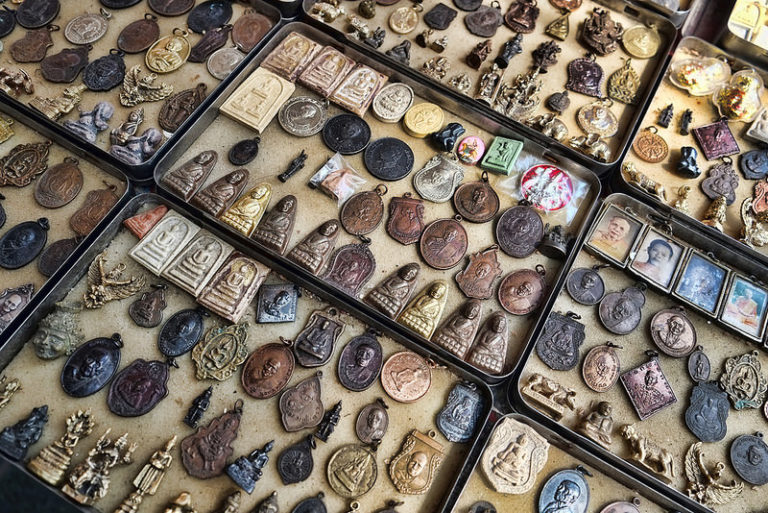
Amulets, or ‘pra-krûeang,’ are more than decorative items in Thailand; they’re imbued with spiritual significance. Worn around the neck or kept close, these small Buddha images or sacred tokens are believed to offer protection against harm, illness, and misfortune. The amulet market thrives, with individuals seeking pieces blessed by revered monks to harness their protective powers. This practice reflects the deep-seated belief in tangible objects serving as conduits for spiritual safeguarding.
8. The Superstition Surrounding Funerals and Pregnant Women

In Thai culture, it’s advised that pregnant women avoid attending funerals. The belief is that the sorrowful energy and presence of spirits could negatively affect the unborn child, leading to complications or attracting malevolent entities. This superstition underscores the protective measures extended towards expectant mothers, aiming to shield both mother and child from spiritual harm during vulnerable times.
Conclusion
Thai superstitions offer a captivating lens through which to understand the nation’s rich cultural tapestry. Rooted in a blend of animism, Buddhism, and folklore, these beliefs influence behaviours, traditions, and social norms. While modernity and globalisation continue to shape Thailand, these superstitions persist, reflecting an enduring respect for the unseen forces believed to govern daily life. For visitors and locals alike, acknowledging and respecting these beliefs fosters deeper connections and a more profound appreciation of Thai culture.
Similar read:
- Thailand’s Fortune-Telling and Amulet Subculture: A Nation’s Fascination with Fate and Protection
- Krasue: Thailand’s Floating Phantom and the Fear That Endures
- Mae Nak Phra Khanong: Thailand’s Most Haunting Love Story
Sources:
[1] 15 Unique Thai Superstitions for the Curious
[2] 9 surprising Thai Superstitions and beliefs
[3] 10 unique Thai superstitions for the curious