

Share This Article
Thailand, often referred to as the land of smiles, is not just a paradise for tourists but also a powerhouse of innovative and high-quality products that have made their mark on the global stage. From its lush paddy fields to advanced manufacturing units, Thailand’s export landscape is as diverse as it is dynamic.
Here are seven Thai products that are not just thriving but are also setting benchmarks globally.
1. Thai Rice

Thai rice, especially the world-renowned Thai jasmine rice, stands as a testament to Thailand’s agricultural excellence and export prowess. This aromatic long-grain rice, known for its subtle floral aroma and soft, sticky texture when cooked, has become a culinary staple worldwide, integrating seamlessly into a myriad of dishes that range from simple steamed sides to complex mains. The unique characteristics of Thai jasmine rice, or Hom Mali, which is primarily cultivated in the northeastern part of Thailand, are a result of the region’s distinctive soil type and climatic conditions, contributing to the rice’s superior quality and flavour.
In 2023, Thailand reinforced its position as a global leader in the rice export market, setting an ambitious target to export 8.5 million tonnes of rice, elevating its status to the world’s second-largest rice exporter after India. This adjustment, from an initial target of 8 million tonnes, underscores Thailand’s significant role in the international rice trade, driven by a strong global demand for its premium varieties (The Business Times, 2023). This strategic move highlights not only the country’s adaptability to global market trends but also its commitment to maintaining a substantial presence in the international rice market, further solidifying its reputation for producing high-quality rice that meets the culinary and cultural needs of consumers around the globe.
2. Rubber Goods

Thailand’s status as the world’s leading producer and exporter of natural rubber is not only a reflection of its agricultural expertise but also a fundamental pillar of its economic vitality. With over one-third of the global market share, Thai rubber is integral to various industries, notably in manufacturing tyres for the automotive sector and producing medical equipment essential for healthcare (Commodity.com, 2021). The significance of Thai rubber has been increasingly underscored by its contribution to global supply chains, especially highlighted by the demand in these critical sectors.
According to a report by Workman on World’s Top Exports in 2023, Thailand’s rubber exports in 2022 were valued at $5.09 billion, making it the leading exporter of rubber globally. The country’s expertise in rubber production is demonstrated by its extensive export market, with significant shipments going to China ($1.94 billion), Malaysia ($820 million), the United States ($477 million), Japan ($413 million), and South Korea ($216 million). This data underscores Thailand’s pivotal role in the global rubber market, catering to a wide range of industries from automotive to healthcare, and highlights its commitment to maintaining a strong position through sustainable practices and quality production.
3. Automotive Parts


Thailand’s automotive parts (auto parts) industry has not only seen remarkable growth but has also solidified its position as a pivotal player in the global automotive parts market, with the sector reaping an impressive $15.6 billion in exports in 2022 alone (Manufacturing Asia, 2023). This achievement highlights Thailand’s ability to manufacture a wide range of automotive components, including body parts and advanced electronic systems, all of which are renowned for their exceptional quality and innovative design. The country’s prowess in automotive parts is further highlighted by its significant contributions to both conventional vehicles and the burgeoning electric vehicle (EV) market, showcasing its adaptability and forward-thinking approach in the automotive sector.
The foundation of Thailand’s success in the automotive parts industry is its robust manufacturing ecosystem, which benefits from a strategic geographical location that serves as a critical gateway to the ASEAN region and the broader Asian market. This ecosystem is supported by a combination of large multinational corporations and specialized local suppliers, bolstered by government incentives and a strong focus on research and development to drive innovation. With a keen eye on the future, Thailand is making considerable strides in sustainable manufacturing and the development of EV components, anticipating the industry’s shift towards greener alternatives. According to projections from Krungsri Research, the Thai auto parts sector is expected to continue growing from 2023 to 2025, highlighting the country’s enduring appeal and its strategic initiatives to remain at the forefront of automotive innovation and sustainability. These efforts enhance the global position of Thai automotive parts and ensure industry growth in a changing world.
4. Electronics
Thailand has cemented its position as a crucial centre in the global electronics market, especially recognised for its export of electronic goods, including computer parts and accessories. In 2022, Thailand’s export value of electronics soared to approximately 34.3 billion U.S. dollars, marking its critical role in the international electronics supply chain (Statista, 2023). This success can be attributed not only to its strategic location and skilled workforce but also to the proactive measures taken by the Thai government. Through the implementation of policies designed to spur technological innovation and investment, including the establishment of special economic zones and the provision of tax incentives, Thailand has become an attractive destination for multinational corporations.
These policies have catalysed the development of a robust manufacturing and research ecosystem, attracting significant foreign investment, notably in high-technology sectors. For example, the boom in electric vehicle (EV) production has positioned Thailand as a key player in the global supply chain for EV components. The country’s commitment to fostering a vibrant ecosystem of local suppliers and startups has enriched its export portfolio, making Thai electronics renowned for their quality and reliability. The ongoing investment in technology and expertise, alongside a focus on quality and continuous manufacturing process improvement, has not only bolstered Thailand’s position but also established its reputation as a trusted partner in the international electronics market.
5. Seafood
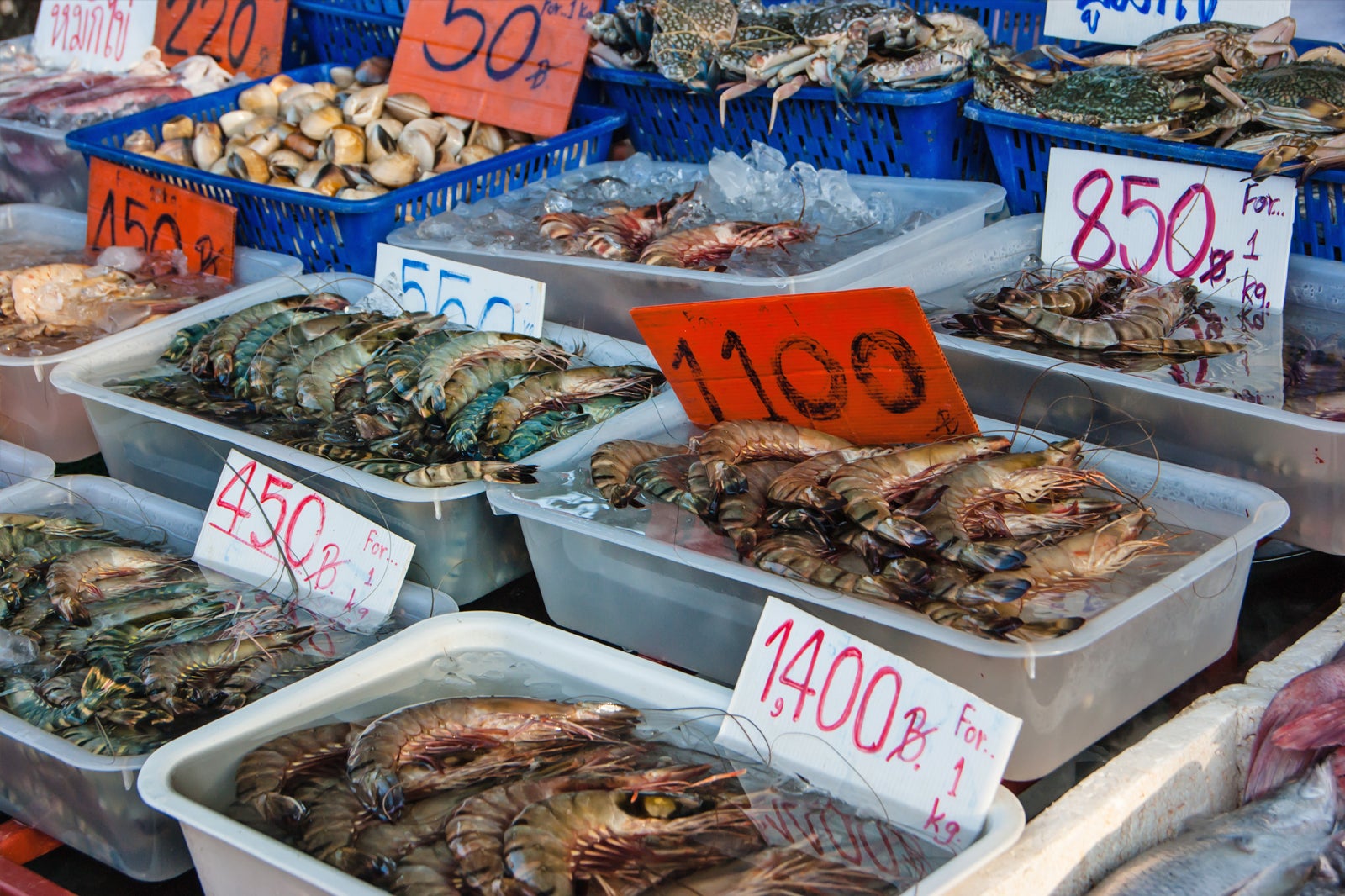
Thailand’s seafood industry is setting a global benchmark in sustainable and innovative fishing practices. The sector’s focus on traceability systems is one of the key factors driving this success. The commitment to sustainable marine resource management has significantly enhanced the international reputation of Thai seafood, ensuring the industry’s longevity and the health of ocean ecosystems. In 2022, the total value of seafood exports from Thailand was reported to reach approximately 5.32 billion U.S. dollars, reflecting the global demand and trust in Thai seafood products (Statista, 2023).
The country’s adoption of advanced aquaculture techniques further exemplifies Thailand’s leadership in the seafood industry. By integrating responsible fishing practices and cutting-edge technology, Thailand has not only increased its seafood export value but also contributed to the global seafood supply chain’s sustainability. This approach has enabled Thailand to maintain its position as one of the top seafood exporters, with a significant portion of its exports catering to high-demand markets around the world. The success of Thai seafood, underscored by a commitment to quality, variety, and eco-conscious production, cements its status as a sought-after choice among global consumers and businesses, reinforcing Thailand’s role as a trusted and forward-thinking player in the international seafood arena.
6. Jewellery and Gems
The craftsmanship of Thai jewellery and the unparalleled quality of Thai gems have not only earned them a prestigious spot in international markets but have also positioned Thailand as a leading global hub for coloured gemstones, particularly rubies and sapphires. Reflecting on the economic impact of different industries in Thailand, the contribution made by the gems and jewellery sector has been significant.
In fact, the exportation of gems and jewellery, including gold, ranked third in terms of total export value in 2022. This places it just behind the automotive and computer sectors. However, when excluding gold from this category, gems and jewellery emerge as the ninth-largest export category in Thailand, reported Arunmas on Bangkok Post (2023). For the year 2022, exports from the gems and jewellery industry, gold excluded, reached a notable $8.03 billion, reflecting a growth of 30.3% compared to the year before and making up 2.8% of Thailand’s overall export revenues.
This substantial growth serves as a testament to Thailand’s renowned skill and esteemed standing in the global market for gemstones and jewellery. Major markets for these exports were the United States, India, Hong Kong, Germany, and the UK, demonstrating the broad appeal of Thailand’s artisanal excellence. The positive trend persisted into the first half of 2023, with the export value hitting $4.34 billion, revealing a year-on-year increase of 11.9% (Arunmas, 2023). This consistent upward movement highlights the international demand for Thai gemstones and jewellery and illustrates the sector’s agility in navigating the evolving market dynamics.
7. Canned Food
In the realm of Thai canned food, canned fish stands out as a significant contributor to the country’s export success. Thailand’s prowess in canned fish production, especially canned tuna, is supported by its state-of-the-art processing facilities and adherence to international quality and sustainability standards. According to The Nation, Thailand is the world’s second-largest exporters of canned tuna, with the industry generating substantial revenue annually. The country’s strategic approach to sustainable fishing practices and investment in innovative canning technologies has enabled it to maintain a competitive edge in the global market.
Furthermore, Thai canned fish products are celebrated not just for their economic impact but also for their contribution to global food security. With over 50% of its canned tuna products exported to major markets such as the United States, Europe, and Japan, Thailand plays a crucial role in meeting the global demand for high-quality, nutritious canned seafood (MICE Intelligence Center, 2023). The success of Thai canned fish on the international stage is a testament to the country’s commitment to quality, innovation, and sustainability, making it a valued staple in households around the world.
In conclusion
The global success of Thai products is a testament to the country’s rich natural resources, skilled workforce, and innovative business practices. These exports not only contribute significantly to Thailand’s economy but also bring a piece of Thai culture and excellence to the global stage. This journey of Thai products from local markets to international shelves is not just inspiring but also a call to explore and appreciate the diversity and quality of Thai exports. As Thailand continues to make its mark globally, it opens up a world of opportunities for businesses and consumers alike to engage with and benefit from the richness of Thai products.
Sources : Bangkok Post, Business Times Singapore, Commodity.com, Krungsri Research, Manufacturing Asia, MICE Intelligence Center, Statista: Export value of electronics in Thailand from 2013 to 2022, Statista: Total value of seafood exported from Thailand from 2020 to 2022, The Nation Thailand: Thai electronic exports forecast, The Nation Thailand: Thailand now world’s 2nd largest exporter of canned/processed fish, The Observatory of Economic Complexity (OEC), World’s Top Exports