

Share This Article
Thailand’s fintech sector is experiencing explosive growth, driven by digital innovation and a supportive ecosystem. With its high smartphone penetration, tech-savvy population, and proactive government policies, Thailand is poised to transform into a key fintech hub in the region.
1. Growth and Potential
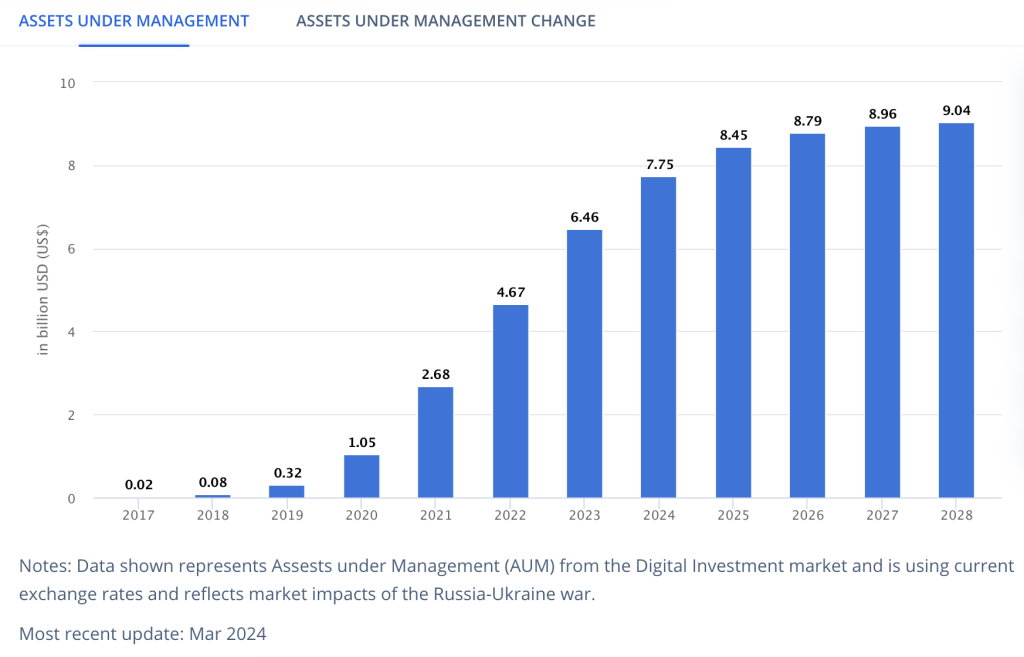
The Thai fintech industry has exhibited remarkable growth, evidenced by an expanding market size and substantial investments pouring into the sector. The number of active fintech companies has surged, fueled by significant funding rounds that underscore the industry’s robust potential.
According to Statista, the largest market is expected to be Digital Assets, with Assets Under Management (AUM) of US$453.70 million by 2024. The average AUM per user in this market is projected to be US$29.40 in the same year. Additionally, the Digital Assets market is expected to show a revenue growth of 15.75% in 2025. On the other hand, the Digital Payments market is projected to have 43.94 million users by 2028. Overall, the total AUM in the Digital Assets market is expected to reach US$453.70 million by 2024.
Several key factors are driving this upward trajectory: high smartphone penetration rates have made digital financial services more accessible, while a young, tech-savvy population is eager to embrace and utilize new financial technologies.
Furthermore, the Thai government has shown strong support for the fintech sector, implementing policies that foster innovation and streamline regulatory processes. This environment has created a fertile ground for fintech ventures, positioning Thailand as a burgeoning fintech hub with the potential to lead innovation across Southeast Asia.
2. Key Areas of Innovation


Thailand’s fintech sector is dramatically transforming traditional financial services through several innovative fronts:
- Digital Payments: Mobile wallets and QR code payments have been widely adopted, particularly through platforms like PromptPay, which is backed by the Thai government. This system has popularized cashless transactions across the country, making everyday financial interactions quicker and more secure for millions of users.
- Peer-to-Peer (P2P) Lending and Crowdfunding: These platforms have revolutionized access to finance, providing individuals and small businesses with alternative financing options. By connecting borrowers directly with lenders, P2P lending and crowdfunding bypass traditional financial intermediaries, offering more competitive rates and opening up new sources of funding for businesses seeking fintech loans.
- Blockchain Technology: In Thailand, blockchain is finding potential applications beyond mere cryptocurrency transactions. It is being leveraged to create secure digital assets, enhance transaction security, and improve supply chain transparency, thereby reducing fraud and increasing operational efficiencies.
- InsurTech: The rise of digital insurance platforms has transformed how insurance products are distributed and consumed. These platforms enhance accessibility to insurance services, making them more affordable and comprehensible to the general public. InsurTech innovations are also enabling more personalized insurance coverage tailored to individual needs based on data-driven insights.
- AI-powered Financial Services: Artificial intelligence is increasingly being utilized across the Thai financial services industry. AI algorithms help provide personalized financial advice, improve fraud detection systems, and refine credit scoring methods. This technology enables financial institutions to offer more tailored services, enhance customer experiences, and operate more efficiently in a competitive fintech market.
3. Regulatory Landscape
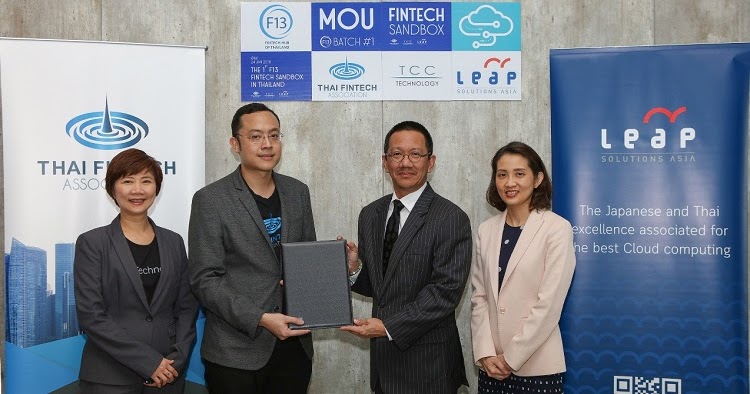

The Bank of Thailand (BoT) plays a crucial role in promoting fintech innovation and creating a supportive environment through initiatives like regulatory sandboxes. These sandboxes allow startups and financial institutions to test new technologies under regulatory supervision, balancing innovation with risk management.
However, the Thai fintech sector still faces regulatory challenges, such as the need for clearer data protection laws and streamlined fintech licensing processes. Addressing these gaps is essential for sustaining growth and maintaining Thailand’s momentum as a fintech leader in the region.
4. Impact and Disruption


Thailand’s fintech revolution has dramatically disrupted traditional financial institutions, driving a significant digital transformation across the sector. Established banks and financial services are rapidly adopting new technologies, enhancing digital platforms, and evolving customer services to compete with nimble fintech startups. Beyond survival, these changes aim to tap into new growth opportunities and enrich customer engagement in a digital-first world.
The flourishing fintech ecosystem also offers considerable social and economic benefits; it boosts the financial sector’s dynamism, enhances competition, and attracts foreign investments. Significantly, it improves financial inclusion by providing underserved communities with more accessible and affordable services, which enhances economic participation and promotes social equity. Moreover, the fintech boom fosters high-value employment opportunities and stimulates related sectors, contributing to Thailand’s economic diversification and resilience.
5. Future Outlook and Challenges in the Thai Fintech Sector
In the evolving landscape of Thailand’s fintech sector, companies like Omise and Ascend Money are pioneering innovative solutions such as online payment systems and e-wallet services, enhancing e-commerce and promoting financial inclusion across Asia.
However, Thai fintech startups are navigating a complex array of challenges, including fierce local and international competition, hurdles in acquiring specialized talent in areas like blockchain and AI, and a regulatory environment that demands careful navigation.
Despite these challenges, the future of Thai fintech looks promising. Trends indicate a shift towards digital banks, broader blockchain applications, and AI integration, which are set to catalyze further growth and transformation within the sector.
The Dynamic Transformation of Thailand’s Fintech Ecosystem
Thailand’s fintech ecosystem is vibrant and evolving, offering exciting opportunities for innovation and investment. As traditional barriers are dismantled and technology-driven solutions gain ground, the landscape of financial services in Thailand is set to be transformed. Whether you’re an investor, entrepreneur, or enthusiast, Thailand’s fintech sector promises a wealth of opportunities to explore and capitalize on.
Sources: F6S, EY, Ande Aditya via LinkedIn, Ravenry