

Share This Article
Thailand beckons with a dynamic startup ecosystem brimming with opportunities yet beset by challenges that demand strategic navigation. As the country aims to be an innovation hub in Southeast Asia, Thailand offers a gateway for foreign entrepreneurs looking to tap into an emerging market with vast potential. This guide will walk you through what you need to know to carve out your niche in this exciting landscape.
Vibrant Market Opportunities
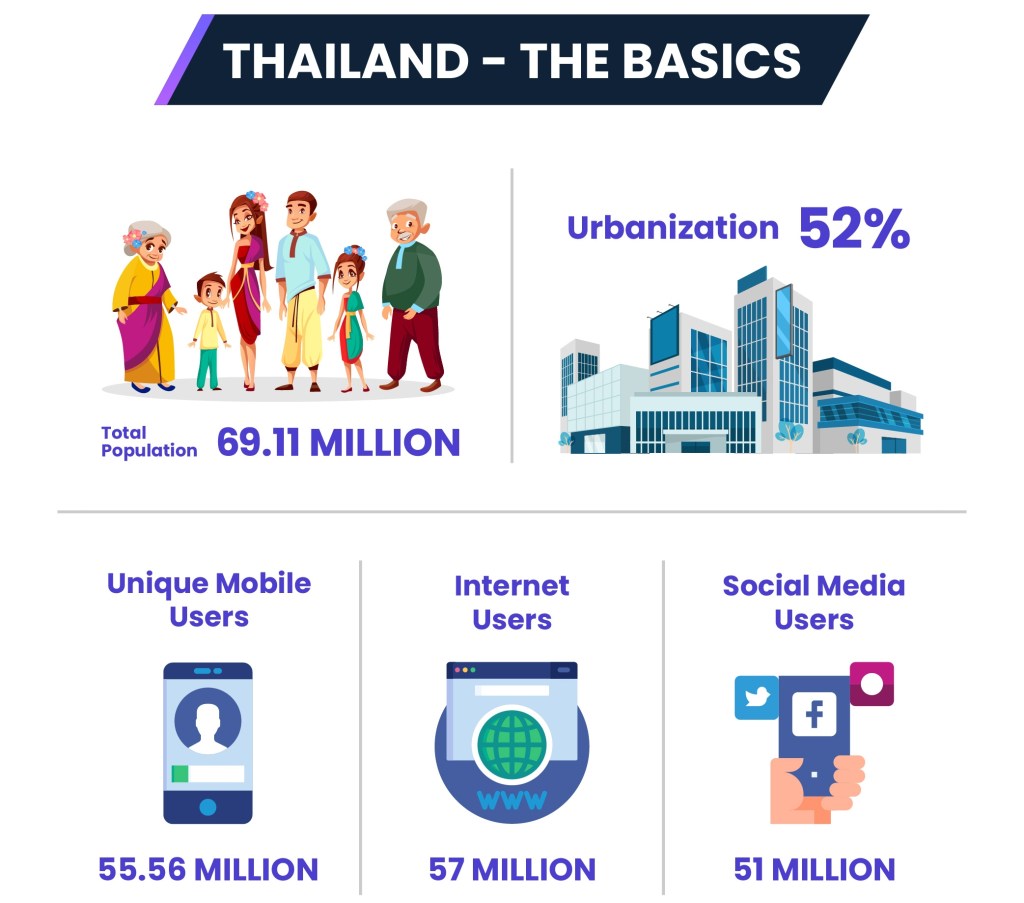
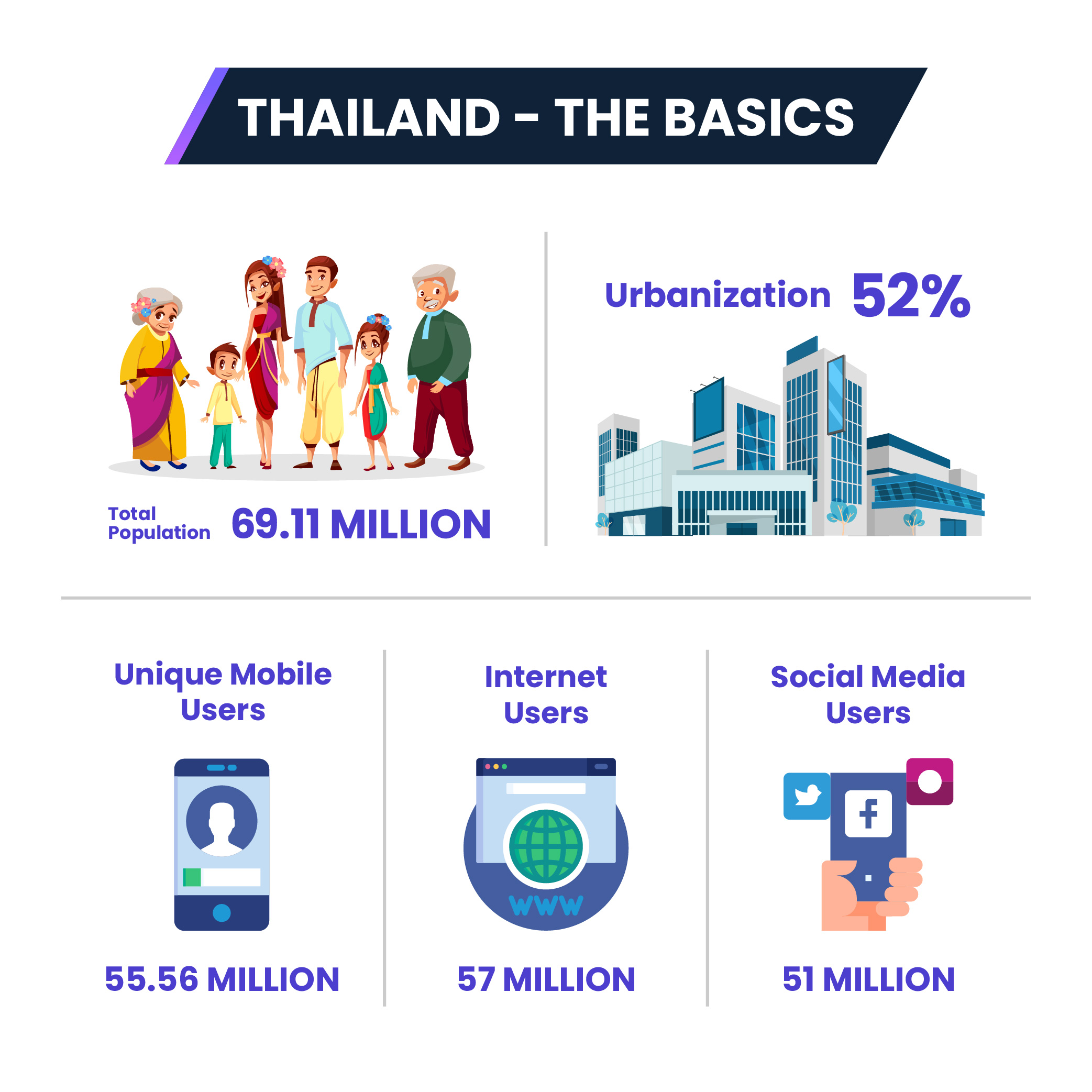
Thailand’s geographical positioning as a gateway to Southeast Asia provides startups with a strategic advantage, accessing a large regional market. With a growing middle class, high mobile penetration, and increasing internet usage, sectors like e-commerce, fintech, and health tech are particularly promising. These industries benefit from a consumer base that is young, tech-savvy, and increasingly comfortable with digital transactions, offering vast opportunities for disruptive solutions.
Government Initiatives and Support
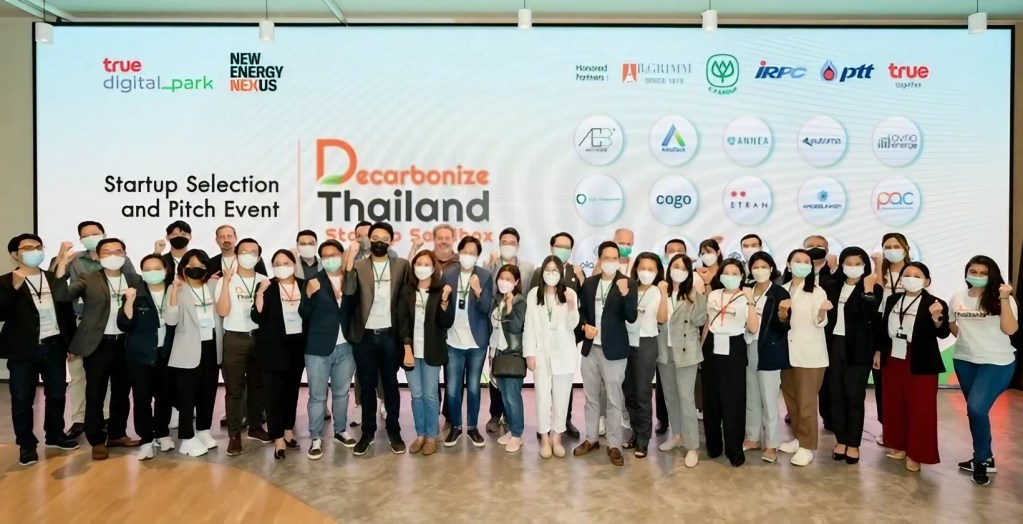
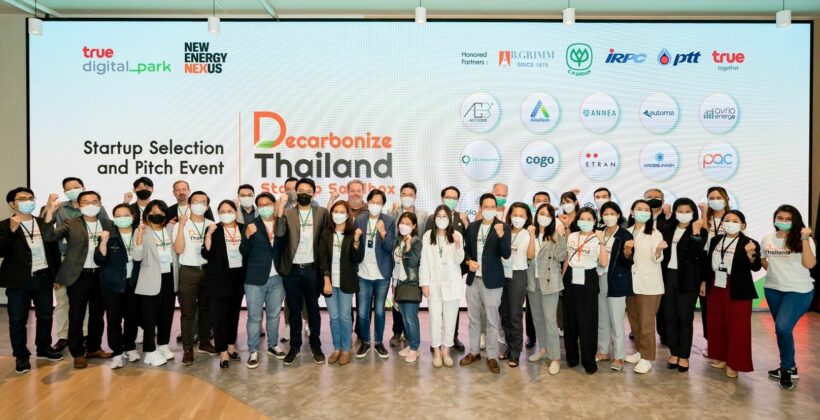
The Thai government’s commitment to fostering a supportive startup environment is evident through initiatives such as the SMART Visa and Startup Booster Programme, which facilitates the stay and business operations of foreign entrepreneurs. In addition to tax incentives and investment grants from bodies like the National Innovation Agency (NIA) and the Thailand Board of Investment (BoI), there are challenges related to navigating the regulatory environment, which can be complex and time-consuming.
Challenges in Funding and Resources

While Thailand’s venture capital scene is vibrant, the ecosystem is somewhat biased towards later-stage funding, leaving early-stage startups with fewer options. This gap can be particularly challenging for foreign entrepreneurs without local connections or an understanding of the Thai investment landscape. Networking events and local startup meetups can be crucial for those seeking initial seed funding.
Cultural and Operational Adjustments

Successful business operations in Thailand require a deep understanding of local culture, which influences business practices significantly. From the importance of building personal relationships before formal agreements to navigating the subtleties of communication to avoid conflict or loss of face, cultural knowledge is key. Additionally, legal requirements, such as compliance with the Foreign Business Act, pose their own set of challenges and must be carefully managed.
Read more: 8 Essential Tips for Navigating Thai Business Etiquette
Innovation and Technological Advancement
The Thai government promotes innovation through policies aimed at transforming Thailand into a knowledge-based economy. This shift sees growing opportunities in sectors driven by technological advancements such as artificial intelligence, machine learning, and sustainable technologies. Startups that tailor their innovative solutions to address specific local issues—such as urban mobility, e-commerce logistics, and digital healthcare—tend to find more success and receptivity in the market.
Rich Talent Pool
Thailand boasts a young and dynamic workforce, with a growing number of skilled professionals in fields like IT, engineering, and business, thanks to universities and vocational institutions producing a steady stream of talent ready to join the startup ecosystem. This access to a talented and affordable workforce can help startups scale efficiently. However, language barriers and differences in work culture can pose challenges for foreign entrepreneurs in managing local teams effectively.
Ecosystem Infrastructure
Thailand’s startup ecosystem is supported by an infrastructure that includes accelerators and incubators, as well as numerous coworking spaces that foster a collaborative environment. These spaces often host events and workshops that provide networking opportunities and potential investor connections. While the community is welcoming, the value placed on existing relationships means new entrants must invest time and effort in building local networks and establishing trust within the community.
Final Thoughts
Thailand offers a fertile ground for foreign startups, filled with opportunities tempered by challenges that necessitate a well-prepared entry strategy. By understanding the landscape and leveraging the available resources and local nuances, entrepreneurs can significantly increase their chances of success. Dive into Thailand’s startup ecosystem with this guide and unlock the potential for innovation and growth in a burgeoning market.
Similar read:
- Doing Business in Thailand: What You Need to Know
- True Digital Park’s Startup Booster Program: Fast-Track Your Startup in Thailand
- Profitable Pursuits: Thailand’s Emerging Industries for Foreign Investors
Sources: Deloitte, ATA Services, Tech in Asia