

Share This Article
Thailand’s Vegetarian Festival (commonly referred to as the Jae Festival) is a captivating cultural event that blends spirituality, food, and ancient traditions. This nine-day festival, celebrated annually in late September or early October, takes place across Thailand but is particularly famous in Phuket for its intense rituals. This year, the festival will run from 2-11 October, offering a perfect opportunity for visitors to experience Thailand’s rich spiritual and cultural heritage. Whether you’re a foodie, culture enthusiast, or thrill-seeker, the Jae Festival is packed with something for everyone.
Here’s everything you need to know before attending it.
A Festival Rooted in Spiritual Cleansing and Purity
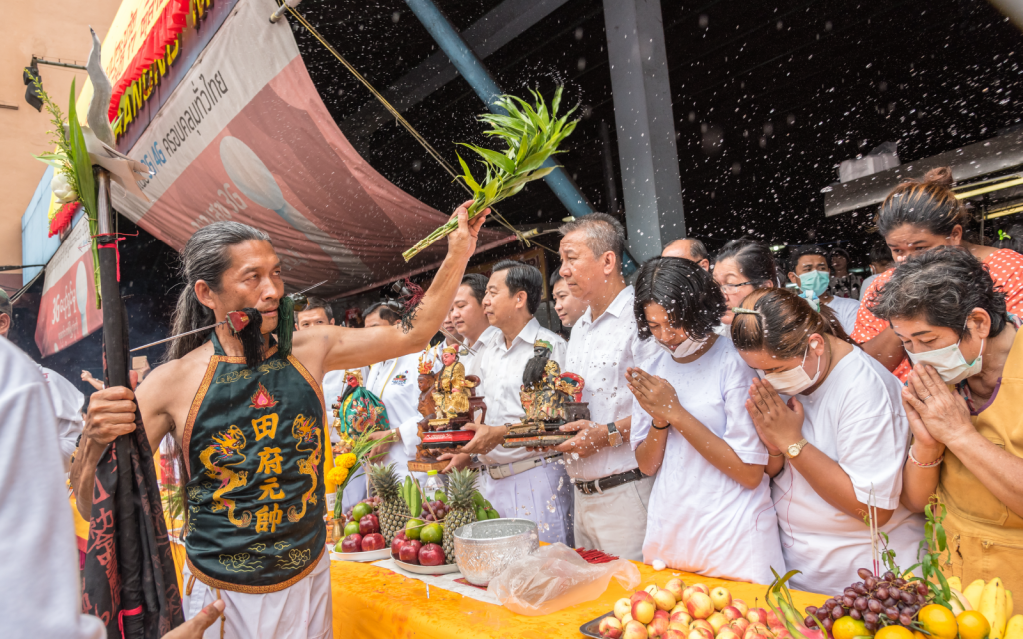
The Jae Festival is more than just a celebration of vegetarianism. It’s a deeply spiritual event, primarily rooted in Taoist and Chinese Buddhist beliefs, aiming for physical and spiritual purification. During the nine days, participants abstain from eating meat, drinking alcohol, and other vices to cleanse their bodies and soul. It’s believed that by doing so, one can invite good health, fortune, and peace into their life. While open to everyone, the festival’s religious undertones make it an extraordinary time to witness Thailand’s devotion to self-discipline and spiritual mindfulness.
Vegetarian Delights Across Thailand

One of the most exciting parts of the Jae Festival is the food! Street stalls and restaurants nationwide adapt their menus to serve up an array of mouth-watering vegetarian and vegan dishes. From Bangkok to Chiang Mai, you’ll find local favourites like Pad Thai Jae, tofu curries, and crispy spring rolls. The food during the festival follows the Jae diet, meaning no animal products or pungent ingredients like chives, garlic, or onions. Yellow flags mark the Jae food stalls, signalling a delightful vegetarian treat is available. Whether you’re vegetarian or simply eager to explore new flavours, this is the perfect opportunity to experience the depth and diversity of Thai cuisine without meat.
See also: 8 Must-Try Foods During Thailand’s Jae Festival
Symbols and Sacred Traditions
Throughout the festival, you’ll notice the streets are filled with yellow and red banners, representing purity and protection. In addition, participants dress in white to symbolise purity, while temples hold ceremonies and prayers to honour the gods. Firecrackers, dragon and lion dances, and sacred processions fill the streets, creating a sensory overload that captures the festival’s vibrancy. The religious practices during the Jae Festival are indeed a sight to behold, as they blend the country’s Chinese Buddhist and Taoist heritage.
Phuket: The Highlight of the Jae Festival
While the Jae Festival is celebrated nationwide, Phuket’s Vegetarian Festival is unlike any other. This southern island hosts the most intense and elaborate version of the event, attracting both locals and international tourists. The streets of Phuket Town come alive with processions of devotees who engage in extreme acts of devotion such as firewalking and self-mutilation rituals. These acts are believed to channel divine spirits and cleanse participants and the community of misfortunes. If you’re looking to experience the spiritual fervour of Thailand firsthand, Phuket during the Jae Festival is the place to be.
The Dramatic Processions and Rituals in Phuket
One of the most unique aspects of Phuket’s Jae Festival is the Mah Song—spirit mediums who pierce their cheeks, arms, and tongues with various objects, from knives to skewers. These mediums, believed to be possessed by gods, endure these intense rituals to protect the community and ward off evil spirits. It’s an awe-inspiring, albeit intense, spectacle that has become synonymous with the festival in Phuket. Firecrackers, drums, and frenzied energy fill the air as these spirit mediums parade through the streets in trance-like states.
Sacred Temples and Shrines to Explore in Phuket
Phuket’s temples, or shrines, play an essential role during the festival. The most famous ones, such as Jui Tui and Bang Neow shrines, become the epicentres of religious activities. Devotees come to offer prayers, perform rituals, and seek blessings during the nine days. Visiting these shrines offers a glimpse into the deep spiritual connection that locals have with the festival and their gods. It’s also a great opportunity for travellers to immerse themselves in the local culture and learn about these sacred sites.
Plan Your Visit and Respect Local Customs
If you plan to visit Thailand during the Jae Festival, particularly Phuket, there are a few things to keep in mind. Be respectful of the local customs by dressing modestly, especially if you plan to observe rituals or visit shrines. Don’t miss out on the vegetarian food stalls, and if you’re in Phuket, be prepared for an intense, mesmerizing experience unlike anything you’ve seen before. Whether you’re there to savour the food, soak in the culture, or witness spiritual devotion, the Jae Festival is an unforgettable way to explore Thailand’s rich traditions.
Immerse Yourself in Thailand’s Vegetarian Festival
Thailand’s Jae Festival is much more than a celebration of vegetarian food—it’s a deep dive into the spiritual essence of the country. The festival, filled with nationwide devotion to purity and health, as well as the dramatic processions in Phuket, creates a cultural experience that is both visually captivating and spiritually enriching. Travellers eager to experience Thailand’s finest vegetarian dishes and its unique religious rituals will find the Jae Festival unforgettable. Mark your calendar, pack your bags, and prepare to witness the magic of Thailand’s Vegetarian Festival!
Similar read:
- Phuket’s Por Tor Festival: A Cultural Dive into the Hungry Ghost Festivities
- Thailand’s Ghost Festival: A Look at Loei’s Unique Phi Ta Khon Celebration
- A Festival of Light: Exploring the History and Culture of Ubon Ratchathani’s Candle Festival
Sources: Taste of Thailand, Thaiger, Lub d, Wikipedia