

Share This Article
As Southeast Asia’s second-largest economy, Thailand is fast emerging as a leader in the circular economy movement, transforming waste into valuable resources and creating sustainable solutions for a greener future. From Bangkok’s bustling streets to remote agricultural towns, this innovative approach to waste management is reshaping the country’s economy, sparking business opportunities, and inspiring neighbouring nations to follow suit.
What is the Circular Economy?


The concept of a circular economy challenges the traditional “take-make-dispose” model. Instead, it promotes a system that reduces waste, reuses materials, and recycles resources back into the production cycle. The aim? To create a closed-loop system where products and materials are repurposed, extending their lifecycle and reducing the need for raw resources. In a region heavily affected by environmental degradation, Thailand’s shift towards circular economy practices signals a promising change.
Thailand’s Circular Economy in Action


Thailand has adopted several ambitious initiatives aimed at minimising waste and maximising resources. Three key strategies—waste reduction, material recovery, and sustainable product design—are at the core of these efforts.
Waste Reduction at the Source:
To tackle the mounting waste challenge, Thailand has rolled out nationwide campaigns encouraging individuals and businesses to minimise waste. The government has also introduced regulations to limit single-use plastics, phasing out items such as plastic bags, straws, and styrofoam containers. These policies are accompanied by public education campaigns, which aim to foster a culture of mindfulness around waste and consumption.
Material Recovery Facilities (MRFs):
Material Recovery Facilities (MRFs) are a crucial part of Thailand’s waste-to-resource strategy. These facilities process recyclable materials, separating waste into different categories to maximise the amount that can be repurposed. Many of these MRFs are set up in collaboration with private companies, local communities, and NGOs, creating job opportunities and generating local economic benefits. In areas such as Rayong and Chonburi, MRFs not only reduce landfill waste but also supply raw materials to Thailand’s growing recycling industry.
Sustainable Product Design:
Thai companies are rethinking product design, using eco-friendly materials and promoting modular and repairable products that extend the life cycle of consumer goods. From electronics to textiles, businesses are leveraging sustainable design as a competitive advantage. This trend is evident in sectors such as fashion, where brands are incorporating recycled fabrics into their collections, and in technology, where companies are developing electronics with longer-lasting components.
Driving Eco-Innovation through Business and Community

Thailand’s circular economy isn’t just about waste management—it’s also about creating a thriving ecosystem where innovation, business, and community intersect. Businesses across the nation are capitalising on circular economy principles to offer new services and products, appealing to environmentally-conscious consumers.
One standout example is Bangkok-based startup Precious Plastic Bangkok, which transforms plastic waste into consumer products like furniture, jewellery, and even building materials. Similarly, the Green Road Project in Chiang Mai takes plastic waste and turns it into sustainable building materials, creating roads that benefit local communities.
Many of these initiatives are gaining traction thanks to the support of Thailand’s Board of Investment (BOI), which offers incentives for businesses that prioritise green and sustainable practices. With tax breaks and access to new markets, companies are increasingly motivated to embrace circular practices.
The Role of Agriculture in Thailand’s Circular Economy

Agriculture is another significant player in Thailand’s circular economy. As a major producer of crops like rice, rubber, and palm oil, Thailand generates substantial agricultural waste, much of which can be repurposed. Farmers are now adopting circular economy principles by using crop waste to create organic fertilizers, animal feed, and biofuels.
For example, rice husks—a byproduct of rice milling—are being transformed into biochar, a type of charcoal that can be used to enrich soil or capture carbon. Similarly, rubber farmers are processing latex waste into sustainable alternatives for plastic, which are then used in various industries.
The Future of Thailand’s Circular Economy
The Thai government has set ambitious targets for its circular economy, with a roadmap for plastic waste management spanning from 2018 to 2030. This roadmap outlines two primary objectives: reducing and eliminating the use of plastic by substituting it with environmentally friendly materials and achieving 100% reuse of plastic waste by 2027. Achieving these targets will require greater investment in recycling infrastructure, supportive policies, and ongoing public awareness.
As Thailand continues on its journey to a circular economy, its commitment is inspiring similar efforts in neighbouring countries, creating a ripple effect across the region. From cleaner streets to innovative products, the benefits are becoming tangible—and they signal a promising shift towards a more sustainable future.
Why Thailand’s Circular Economy Matters
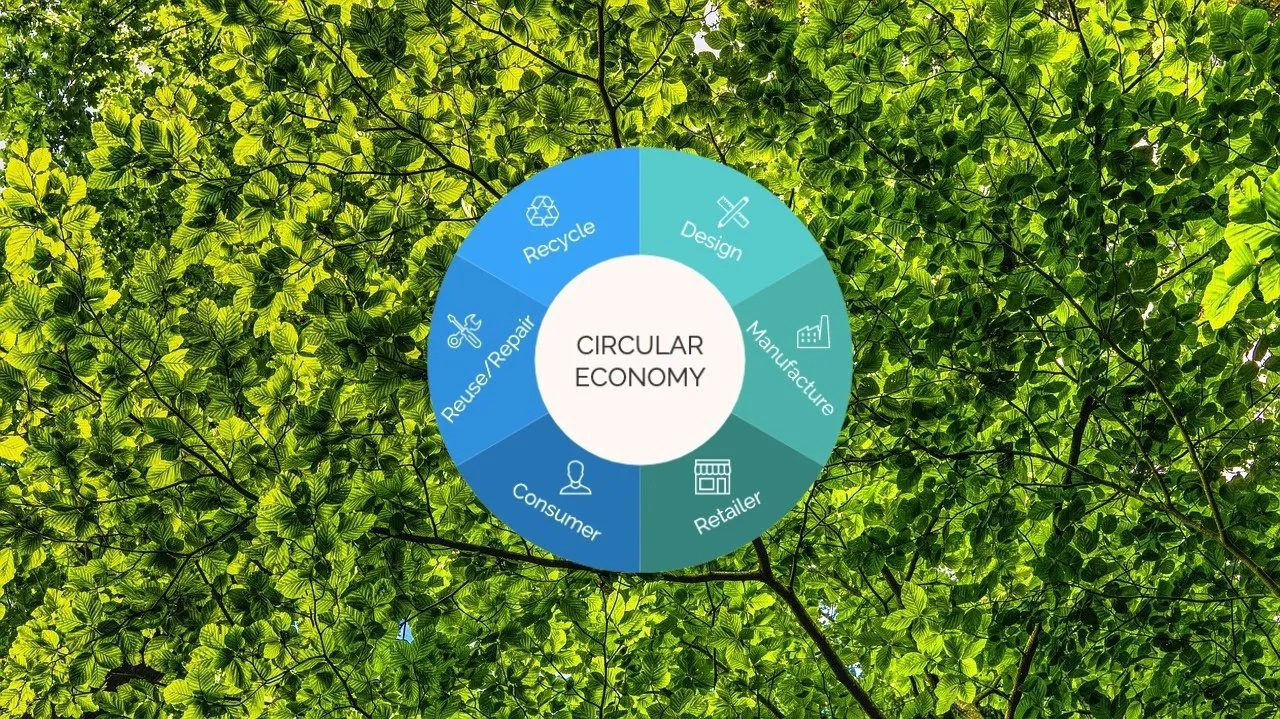
The circular economy is not just about environmental stewardship; it’s also about economic resilience. By reducing dependency on finite resources, Thailand is better positioned to navigate global market fluctuations. Furthermore, by creating new business opportunities, the circular economy has the potential to stimulate economic growth, especially for small and medium-sized enterprises (SMEs) that can leverage local resources and talent.
Thailand’s circular economy initiatives show that waste can be reimagined as a valuable resource rather than a liability. As more companies, communities, and individuals embrace this mindset, Thailand is poised to become a regional leader in sustainability, showcasing the power of the circular economy in Southeast Asia.
Thailand’s Circular Revolution
Thailand’s circular economy is more than just a trend—it’s a transformative approach that benefits the environment, society, and the economy. With every innovation, Thailand has proven that turning waste into resources is not only possible but also profitable. As the movement gains momentum, Thailand’s journey serves as a beacon for other nations striving to balance growth with sustainability.
Similar read:
- The Rise of Sustainable Fashion in Thailand: A Beacon of Hope
- Sustainable Shopping: Top 8 Zero Waste Stores in Bangkok
- Top Sustainable Fashion Brands to Explore in Thailand
Sources: BOI, BOI, AWRD, Thailand Public Relations Department
1 Comment