

Share This Article
The Chao Phraya River, often referred to as the “River of Kings,” has long been the lifeblood of Bangkok, weaving through the city’s heart and sustaining its people. In recent years, however, this majestic waterway has become a conduit for plastic waste, with an estimated 4,000 metric tons flowing into the Gulf of Thailand annually.
Innovative Cleanup Initiatives

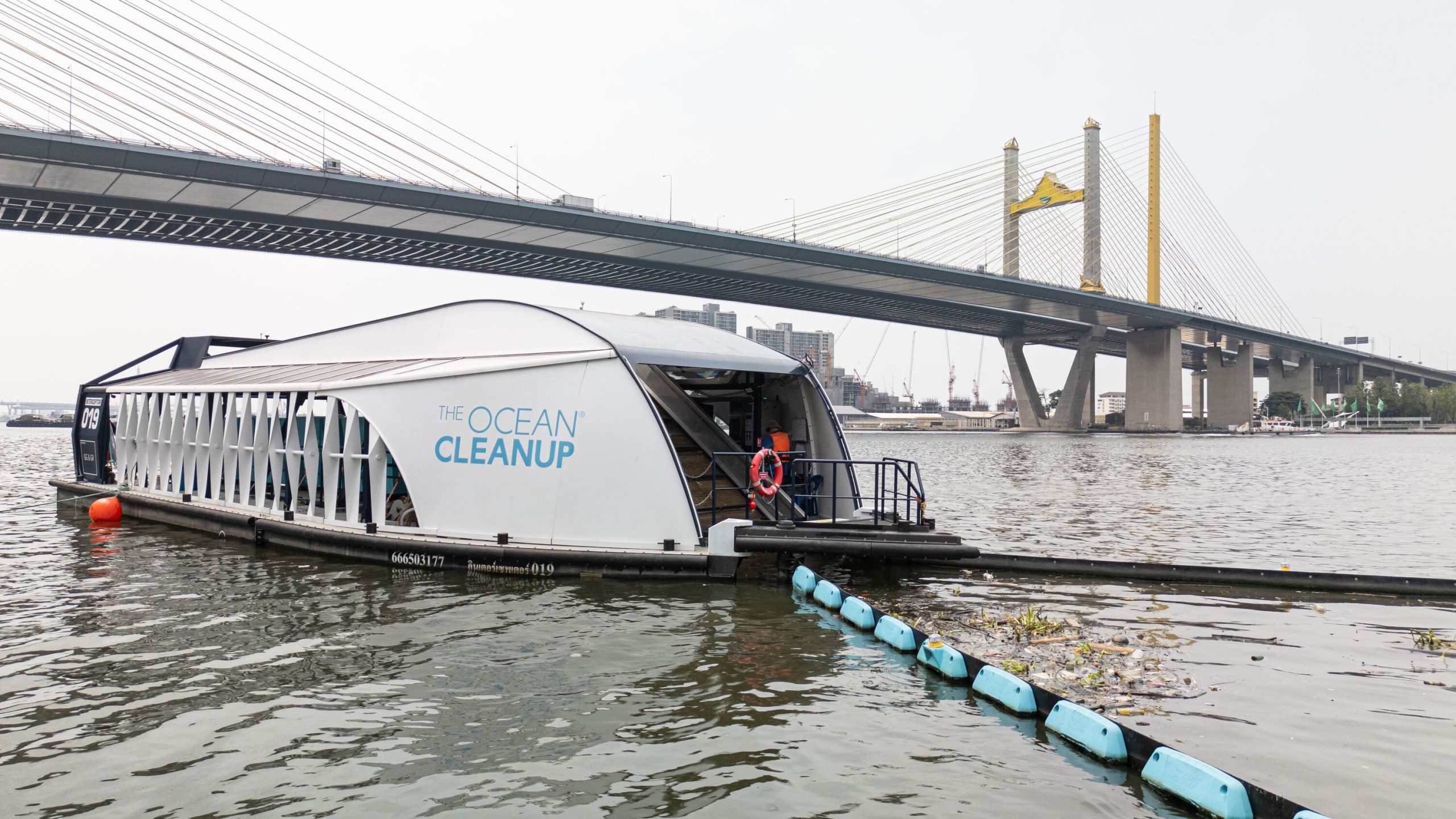
In response to this escalating crisis, several initiatives have been launched to restore the river’s health:
- The Ocean Cleanup’s Interceptor 019: Deployed in March 2024, this solar-powered vessel is designed to extract up to 1.5 tons of trash daily from the Chao Phraya. Positioned near the Commemoration of His Majesty the King Rama X’s 6th Cycle Birthday Park, it targets waste from 61 canals that feed into the river.
- Community-Led Efforts: Local figures, such as Phra Mahapranom Dhammalangkaro, the abbot of Wat Chak Daeng temple, have spearheaded grassroots movements. The abbot established a recycling center within the temple grounds, processing up to 300 tons of plastic annually, and has collaborated with organizations like Seven Clean Seas to deploy the “Hippo,” a solar-powered waste-collection vessel.
Public Criticisms and Challenges


Despite these efforts, criticisms persist:
- Sustainability Concerns: Critics argue that while cleanup technologies like the Interceptor 019 address surface-level pollution, they may not tackle the root causes of plastic waste. Without comprehensive waste management reforms and public education, such interventions risk becoming temporary fixes.
- Corporate Involvement Scrutiny: The partnership between The Ocean Cleanup and major corporations, including The Coca-Cola Company, has raised eyebrows. Detractors question the sincerity of corporations contributing to plastic pollution while simultaneously funding cleanup projects, labeling it as potential “greenwashing.”
- Resource Allocation: Some environmentalists contend that funds invested in high-tech cleanup solutions might yield better results if directed toward reducing plastic production, enhancing recycling infrastructure, and promoting sustainable consumer behaviors.
The Path Forward
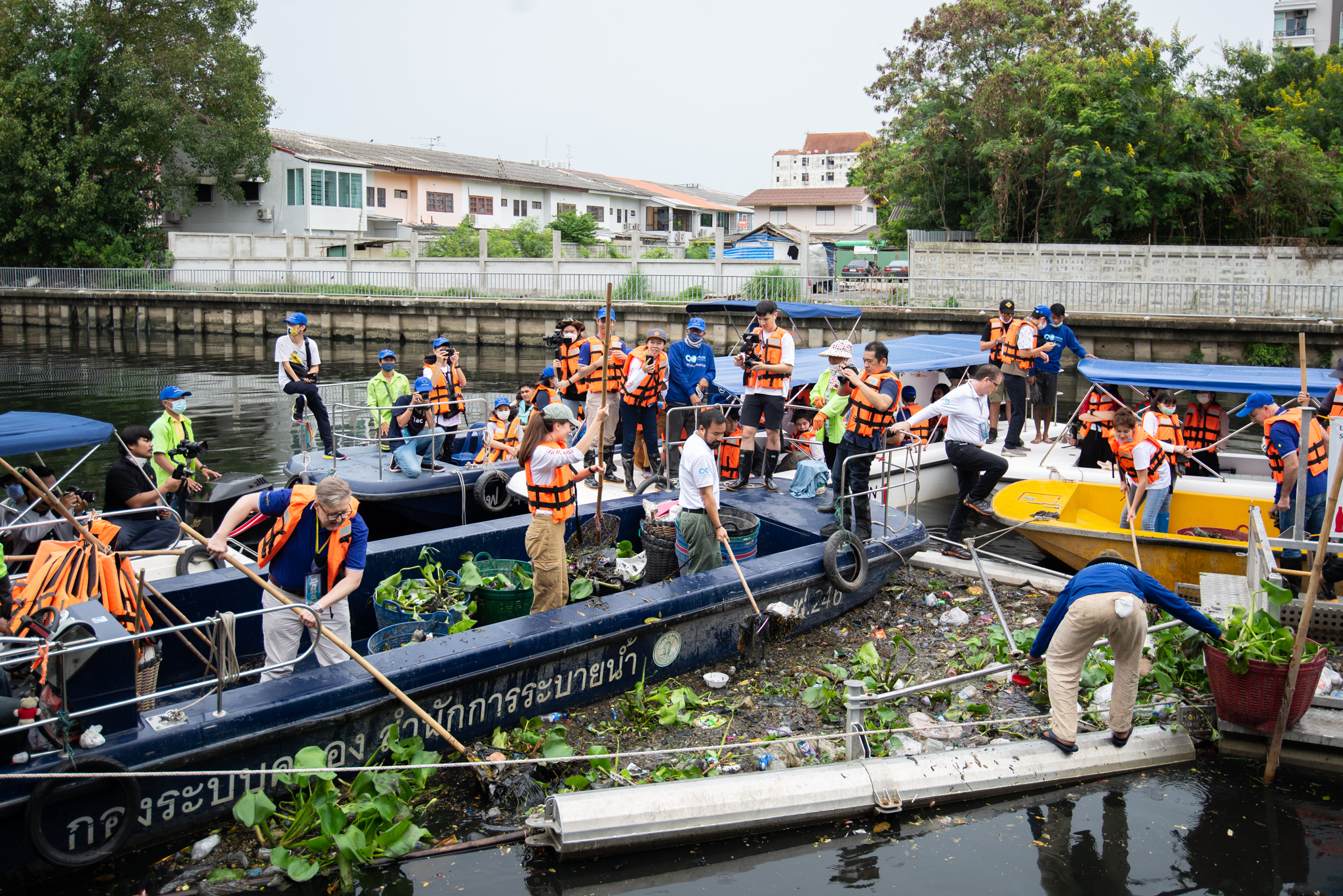
The battle against plastic pollution in the Chao Phraya River necessitates a multifaceted approach:
- Policy Implementation: Enforcing stricter regulations on plastic production and consumption is crucial. This includes measures like banning single-use plastics and incentivizing eco-friendly alternatives.
- Public Engagement: Educating communities about the environmental impact of plastic waste and promoting responsible disposal practices can foster a culture of sustainability.
- Corporate Responsibility: Companies must commit to reducing plastic usage in their products and supply chains, embracing sustainable packaging solutions, and supporting systemic changes in waste management.
Final Thoughts
While technological interventions offer hope, the enduring solution lies in addressing the systemic issues that contribute to plastic pollution. Only through collective action, encompassing policy reform, corporate accountability, and public participation, can the Chao Phraya River be restored to its former glory, ensuring it remains a vital and unpolluted artery of Bangkok for generations to come.
Similar read:
- Thai Floods 2024: The Environmental Impact and Climate Crisis from July to September
- Sustainable Recreational Spaces Around Bangkok
- Saving the Mangroves: Thailand’s Fight to Protect Its Coastal Ecosystems
Sources:
[1] The Ocean Cleanup
[2] The Coca Cola Company
[3] The Guardian
[4] SCMP
[5] Bangkok Post
[6] NewSecurityBeat