

Share This Article
Nestled in the hills of northern Thailand, the Longneck Karen Village has become a focal point for tourists seeking an encounter with the exotic. The village is inhabited by the Kayan people, a subgroup of the Red Karen from Myanmar, renowned for the brass coils adorning the necks of their women—a tradition that has sparked both fascination and controversy.
Origins and Traditions


The Kayan women’s practice of wearing brass rings begins as early as five years old. Over time, additional coils are added, creating the illusion of an elongated neck. In reality, the weight of the rings depresses the collarbone and compresses the rib cage. The origins of this custom are debated; some suggest it was meant to deter slave traders by making women less attractive, while others believe it protects against tiger attacks or enhances beauty.
Tourism and Economic Realities

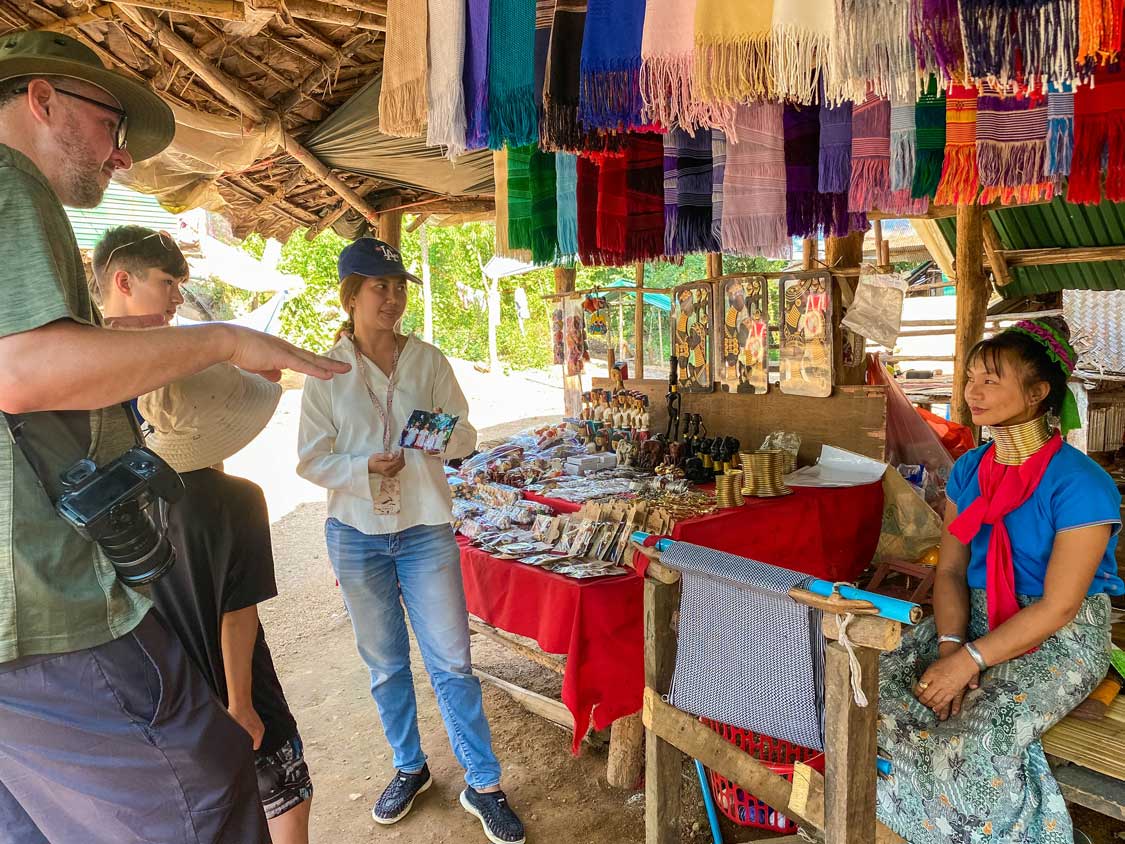
Fleeing political unrest in Myanmar during the late 1980s, many Kayan sought refuge in Thailand. Their unique cultural practices quickly became a tourist attraction, leading to the establishment of villages where visitors could observe and interact with them. Tourism has provided a vital source of income for the Kayan, who often lack Thai citizenship and, consequently, access to formal employment and education. Selling handicrafts and charging entrance fees have become primary means of livelihood.
Ethical Dilemmas
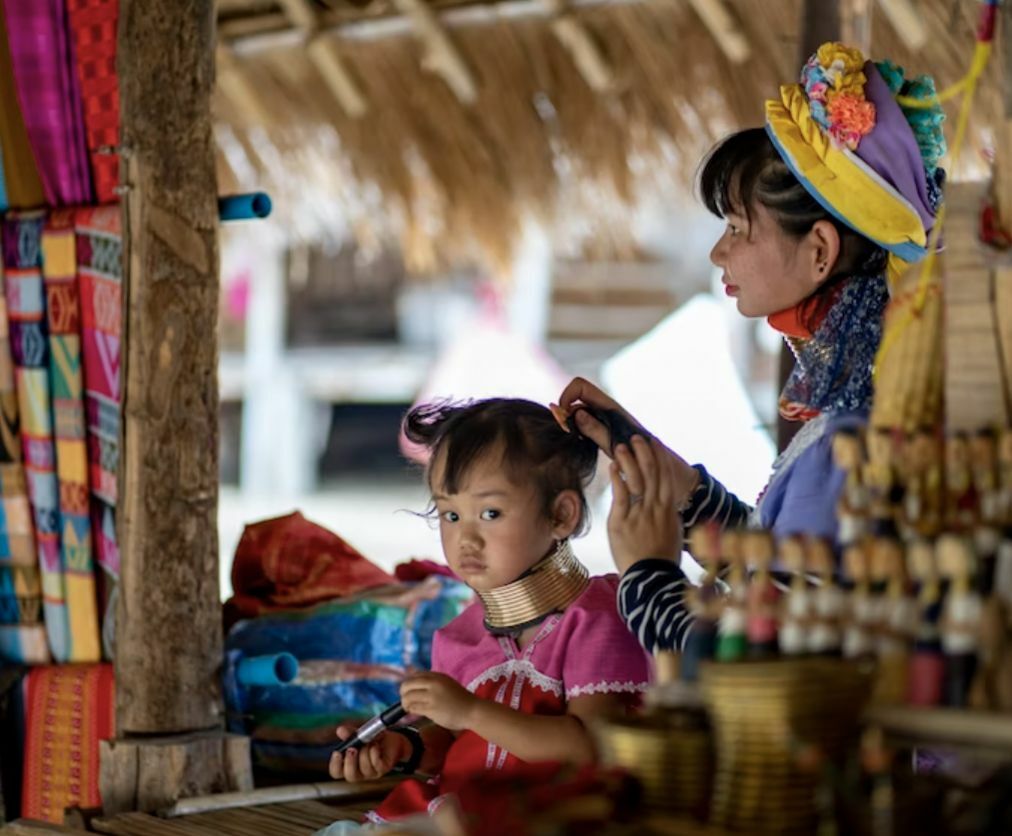
The commodification of the Kayan’s cultural practices has led to ethical concerns. Critics argue that these villages operate as “human zoos,” exploiting the Kayan for profit and subjecting them to dehumanizing treatment. The Thai government’s alleged restrictions on their movement, purportedly to maintain tourist revenue, exacerbate these concerns. In 2008, the United Nations compared visiting these villages to visiting “human zoos,” highlighting the ethical implications of such tourism.
Perspectives from Within
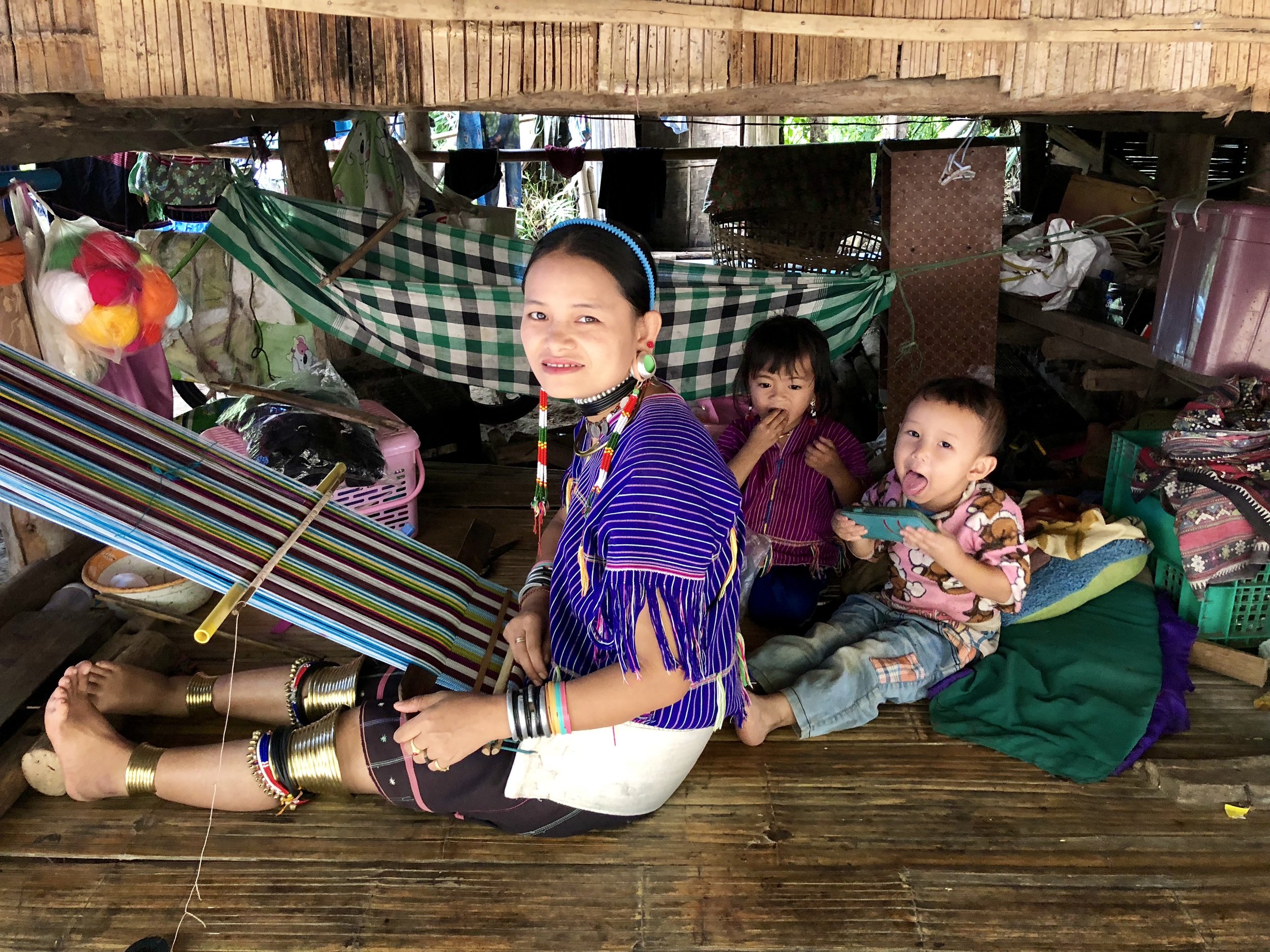
Despite external criticisms, many Kayan women express a desire for tourists to visit, as it provides economic sustenance and a platform to preserve and share their cultural heritage. Some women choose to continue wearing the rings as a symbol of identity and tradition, while others opt to remove them, reflecting a personal choice rather than coercion.
Navigating Responsible Tourism

For travelers, the challenge lies in engaging with the Kayan in a manner that respects their dignity and autonomy. Opting for tours that prioritize ethical interactions, ensuring fair compensation, and supporting initiatives that advocate for the Kayan’s rights can contribute to more responsible tourism. It’s essential to approach such visits with cultural sensitivity, acknowledging the complex interplay between economic necessity and cultural preservation.
Balancing Tradition and Dignity
The Longneck Karen Village embodies a complex narrative where cultural tradition intersects with economic survival and ethical controversy. As tourism continues to shape their reality, a nuanced understanding and responsible engagement are imperative to ensure that the Kayan people are respected not as spectacles but as individuals with rich cultural legacies and aspirations for a dignified future.
Sources: Erin Henderson Media, Thailand Hilltribe Holidays, BatamToday.com, Borgen Magazine, Matador Network