

Share This Article
Immerse yourself in the ancient practice of Thai massage, a therapeutic craft that has soothed muscles and invigorated bodies for centuries. Known for its dynamic healing approach, Thai massage combines acupressure, yoga-like stretches, and rhythmic pressure to rejuvenate both mind and body.
Let’s explore the eight essential techniques that make Thai massage a unique and holistic treatment.
1. Palm Press
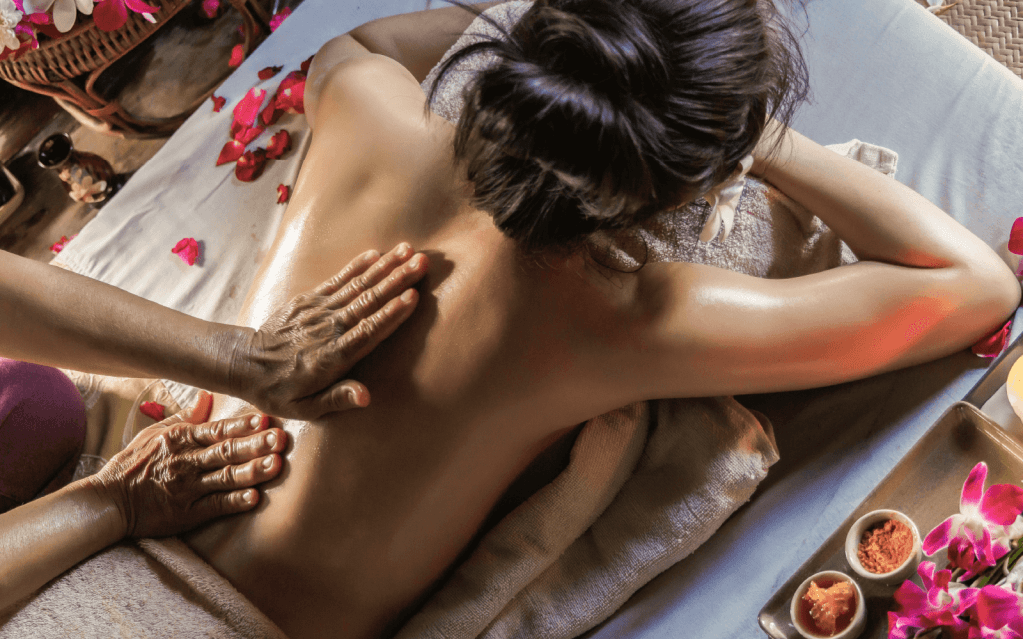
The Palm Press involves a steady, gentle pressure applied by the masseuse’s palms in a rhythmic motion. This technique helps warm up the muscles, enhance blood circulation, and prepare the body for deeper pressure techniques.
2. Thumb Press

Focused and firm, the Thumb Press targets specific areas of tension along the energy lines known as “Sen” in Thai medicine. It is effective in breaking down knots and relieving pain, particularly in the back and feet.
3. Elbow Press
Used for deeper tissue massage, the Elbow Press addresses the larger muscle groups like those in the thigh and buttocks. This technique applies more intense pressure and is ideal for athletes or those with thick musculature.
4. Forearm Rolling Pin
The Forearm Rolling Pin technique mimics the rolling out of dough but on the human body. The masseuse uses their forearm to roll over the muscles, which helps elongate and relax tight muscles, providing relief from stiffness and enhancing mobility.
5. Thumb Circle
With careful, circular motions, the Thumb Circle technique helps stimulate nerve pathways, promoting muscle relaxation and lymphatic drainage. It’s particularly soothing on smaller muscle groups, such as those around the neck and shoulders.
6. Finger Circle
Similar to the Thumb Circle, this technique uses the fingers to make small circular pressures that help release tension in more delicate or smaller areas of the body that are too sensitive for thumb pressure.
7. Palm Circle
The Palm Circle involves the use of the palm to make gentle, circular motions on larger areas of the body, like the back or thighs. This technique enhances circulation and relaxes the muscles more broadly than the thumb or finger techniques.
8. Stretching
Thai massage is renowned for its use of assisted stretching, which improves flexibility and range of motion. Stretching techniques often resemble yoga poses and are tailored to the recipient’s level of flexibility, deeply releasing tension and enhancing energy flow.
Aromatherapy and Herbal Enhancement
Thai massage often incorporates aromatherapy and herbal compresses to elevate the experience. Fragrant jasmine oil or lemongrass oil might be used to create a calming atmosphere and enhance relaxation. Herbal compresses, filled with ingredients like turmeric or ginger, may be applied to warm the muscles and promote circulation.
Beyond Relaxation: The Power of Wat Pho Massage
Wat Pho massage holds a special place in Thai culture. Considered the birthplace of Thai massage, Wat Pho temple in Bangkok houses a renowned school that’s been preserving this practice for centuries. This style, often called “Nuad Wat Pho,” emphasizes therapeutic benefits and uses deeper stretches alongside acupressure to target energy flow. While these stretches may cause temporary discomfort, they aim to improve flexibility and posture and address chronic tension.
Recognized as an alternative health treatment, Wat Pho massage offers a unique blend of relaxation and deep tissue work, making it a valuable link to Thailand’s cultural heritage.
Experience the Transformative Power of Thai Massage
Thai massage offers a profound healing experience that rejuvenates the body and calms the mind. Its unique combination of pressing, rolling, and stretching techniques helps to relieve muscular tension, boost circulation, and promote overall well-being.
Whether you’re new to massage or a seasoned spa-goer, Thai massage provides an enriching, holistic experience that transcends the typical wellness treatment. Ready to relax and rejuvenate? Let Thai massage transport you to a world of calm and restoration.
Sources: Mosby Elsevier, Nuad Thai, The Momentum