

Share This Article
In Thailand, a nation where traditions and spirituality are deeply interwoven into daily life, the practice of removing one’s shoes before entering certain spaces is more than a mere custom; it’s a profound gesture rooted in respect, cleanliness, and cultural identity. This barefoot etiquette offers a window into the Thai worldview, where the body is seen as a hierarchy, and the feet, being the lowest part, are considered the least clean. Understanding and observing this practice is essential for anyone wishing to engage authentically with Thai society.
The Cultural Significance of Barefoot Etiquette
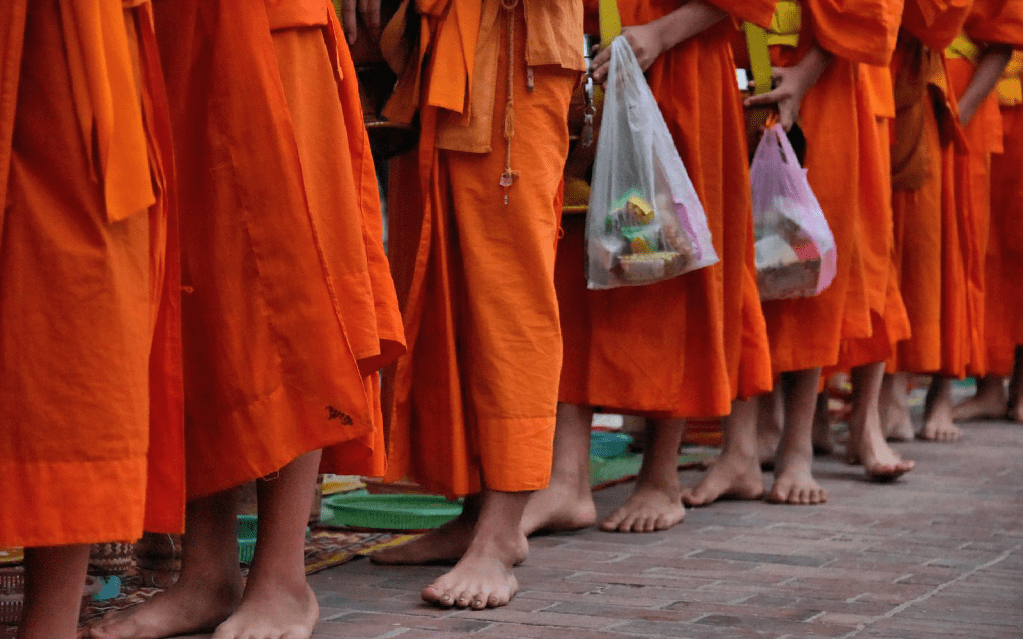
In Thai culture, the head is revered as the most sacred part of the body, symbolising one’s connection to the divine. Conversely, the feet are deemed the lowest and dirtiest, as they are in constant contact with the ground. This perception influences various social behaviours, including the practice of removing shoes before entering homes, temples, and certain businesses. By doing so, individuals prevent dirt from entering clean spaces and demonstrate humility and respect.
This practice is not merely about physical cleanliness but also spiritual purity. In Buddhist teachings, which significantly influence Thai culture, cleanliness is associated with mental clarity and moral integrity. Thus, removing one’s shoes becomes a symbolic act of leaving impurities behind before entering a sacred or respected space.
Barefoot Practices in Various Settings

1. Homes: It is customary to remove shoes before entering someone’s home in Thailand. This practice maintains the cleanliness of the living space and shows respect to the host. Visitors will often notice a collection of shoes at the entrance, indicating the household’s adherence to this tradition.
2. Temples (Wats): Temples are sacred spaces where removing shoes is mandatory. This act signifies reverence for the sanctity of the temple and its deities. Visitors should be mindful to dress modestly and observe silence, further respecting the spiritual environment.
3. Businesses: Certain establishments, such as traditional shops, some restaurants, and even specific offices, may require patrons to remove their shoes. This is particularly common in places where cleanliness is paramount or where the business operates within a residential space. Observing the behaviour of locals or looking for signs can provide cues on whether to remove shoes.
The Spiritual Dimension
Beyond hygiene and respect, barefoot etiquette in Thailand has a spiritual dimension. Many Thais believe that spirits inhabit the thresholds of homes and temples. Stepping on these thresholds with shoes is thought to disturb these entities, bringing misfortune. Therefore, removing shoes before crossing a threshold is a gesture of respect towards these spiritual beliefs.
Moreover, in Buddhist practice, humility and detachment from material possessions are core principles. Walking barefoot, especially within temple grounds, is a physical manifestation of these values, reminding individuals to remain grounded and humble.
Implications for Foreign Visitors
For tourists and expatriates, understanding and adhering to Thailand’s barefoot etiquette is crucial. Not only does it show respect for local customs, but it also fosters positive interactions and experiences. Here are some guidelines for visitors:
- Observe and Adapt: Pay attention to the practices of locals. If unsure whether to remove your shoes, look for cues such as shoe racks at entrances or observe the behaviour of others.
- Wear Appropriate Footwear: Opt for shoes that are easy to remove, such as sandals or slip-ons, especially when planning to visit multiple places where shoe removal is expected.
- Mind Your Feet: Avoid pointing your feet at people or religious objects, as this is considered disrespectful. When sitting, tuck your feet beneath you or position them away from others.
- Respect Sacred Spaces: Always remove your shoes when entering temples and ensure you are dressed modestly. Remember that these are places of worship and should be treated with the utmost respect.
Conclusion
Barefoot etiquette in Thailand is a practice steeped in cultural, spiritual, and social significance. It reflects a worldview that honours cleanliness, humility, and respect for both the physical and spiritual realms. For visitors, embracing this tradition offers a deeper connection to Thai society and its values, enriching the experience of this vibrant and diverse nation.
Similar read:
- Thai Language Essentials: 10 Phrases for Travelers to Know
- Thai Nicknames: Unveiling the Quirky Charm of Thai Culture
- The Expats’ Guide to Navigating Daily Life in Bangkok
Sources:
[1] 7 Customs in Thailand You Must Know Before Visiting
[2] What not to do with your feet in Thailand
[3] Understanding barefoot culture in Thailand
[4] Mind Your Feet