

Share This Article
Thailand’s recent decriminalisation of cannabis has positioned the nation as a potential hub for cannabis wellness tourism. This move, unprecedented in Southeast Asia, has sparked interest among tourists seeking holistic health experiences. However, the evolving legal landscape presents both opportunities and challenges for the industry.
Thailand’s Embrace of Cannabis Wellness Tourism
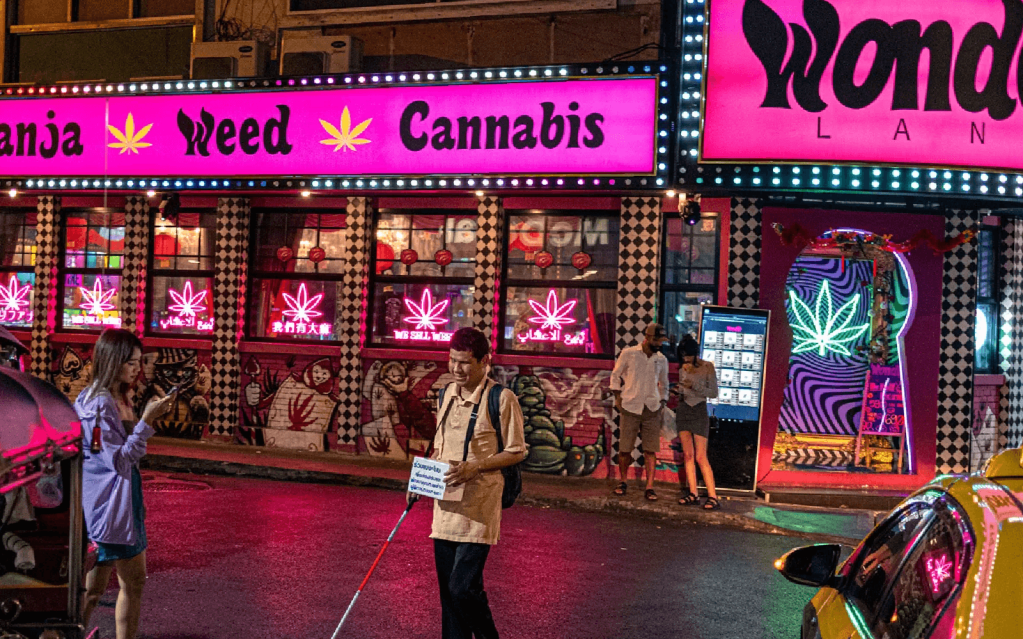
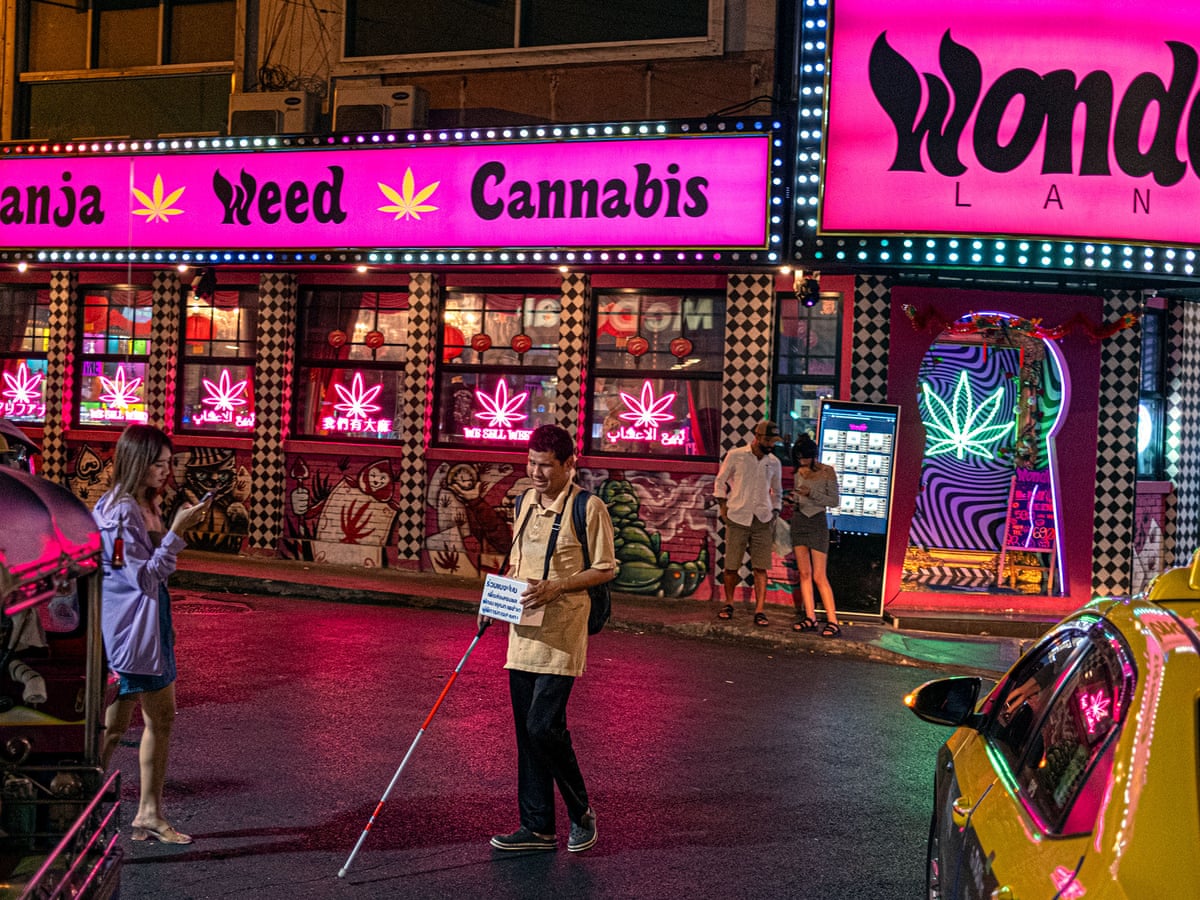
In 2022, Thailand decriminalised cannabis, allowing its use for medical and wellness purposes. This policy shift aimed to boost the economy by integrating cannabis into the wellness tourism sector, which is valued at approximately 1 trillion baht. The government’s “Health for Wealth” initiative underscores the potential of cannabis to enhance traditional Thai medicine and alternative therapies.
Emerging Cannabis Wellness Experiences

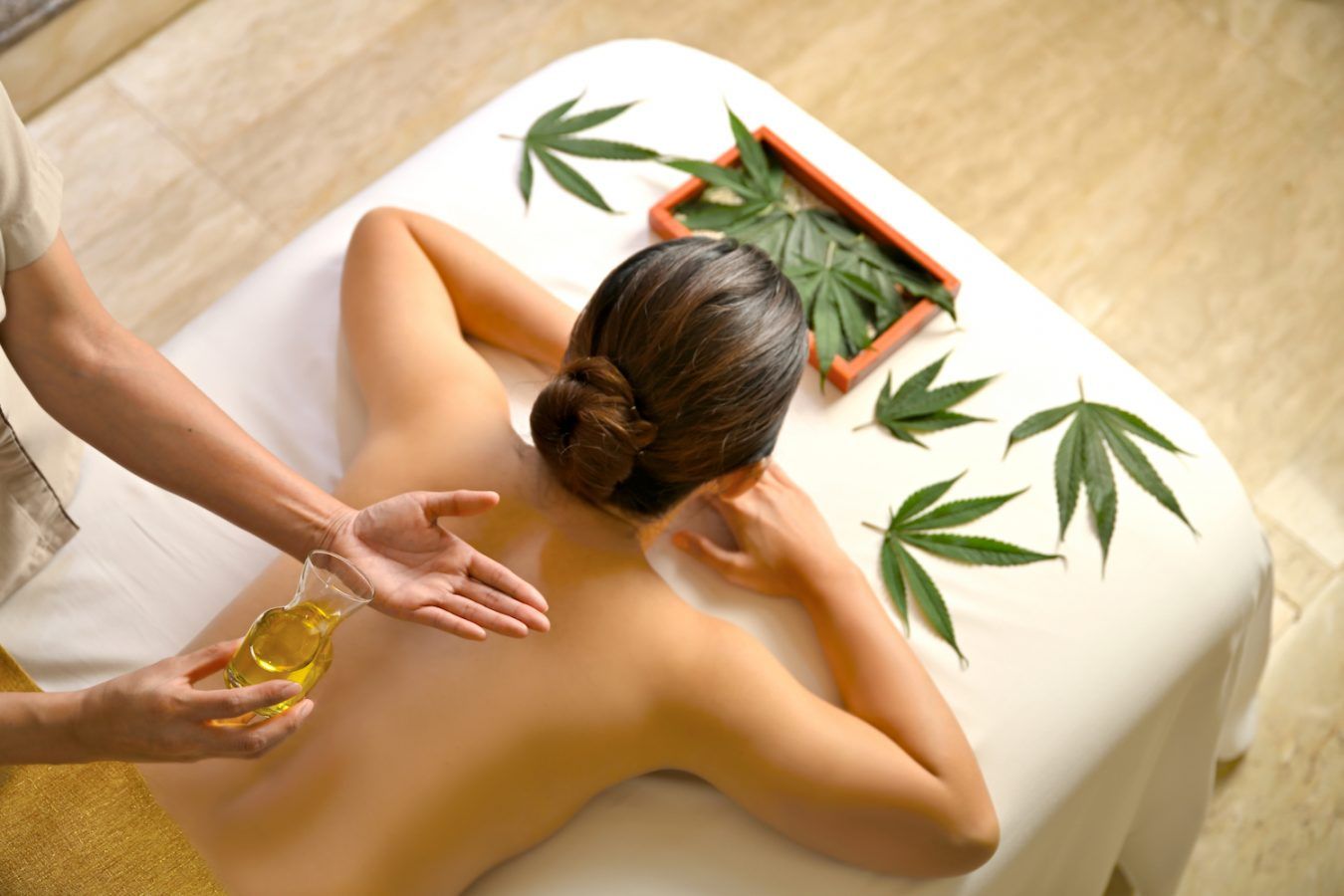
Following decriminalisation, various cannabis-related services have emerged:
- Cannabis Spas: Establishments now offer treatments incorporating cannabis-infused oils and balms, promoting relaxation and pain relief.
- Wellness Retreats: Programs integrating cannabis use with yoga, meditation, and traditional Thai healing practices have become popular among tourists seeking holistic health experiences.
- Culinary Experiences: Restaurants and cafes have introduced menus featuring cannabis-infused dishes and beverages, providing unique gastronomic adventures.
Regulatory Ambiguities and Challenges

Despite the initial enthusiasm, the regulatory framework surrounding cannabis use remains in flux. In late 2023, the Thai government announced plans to reclassify cannabis and hemp as narcotics, reversing earlier decriminalisation efforts. This reclassification, effective from January 2024, criminalises cannabis leaves or buds containing over 0.2% THC. Such policy reversals have led to uncertainty among businesses and tourists regarding the legal parameters of cannabis use.
Economic Implications
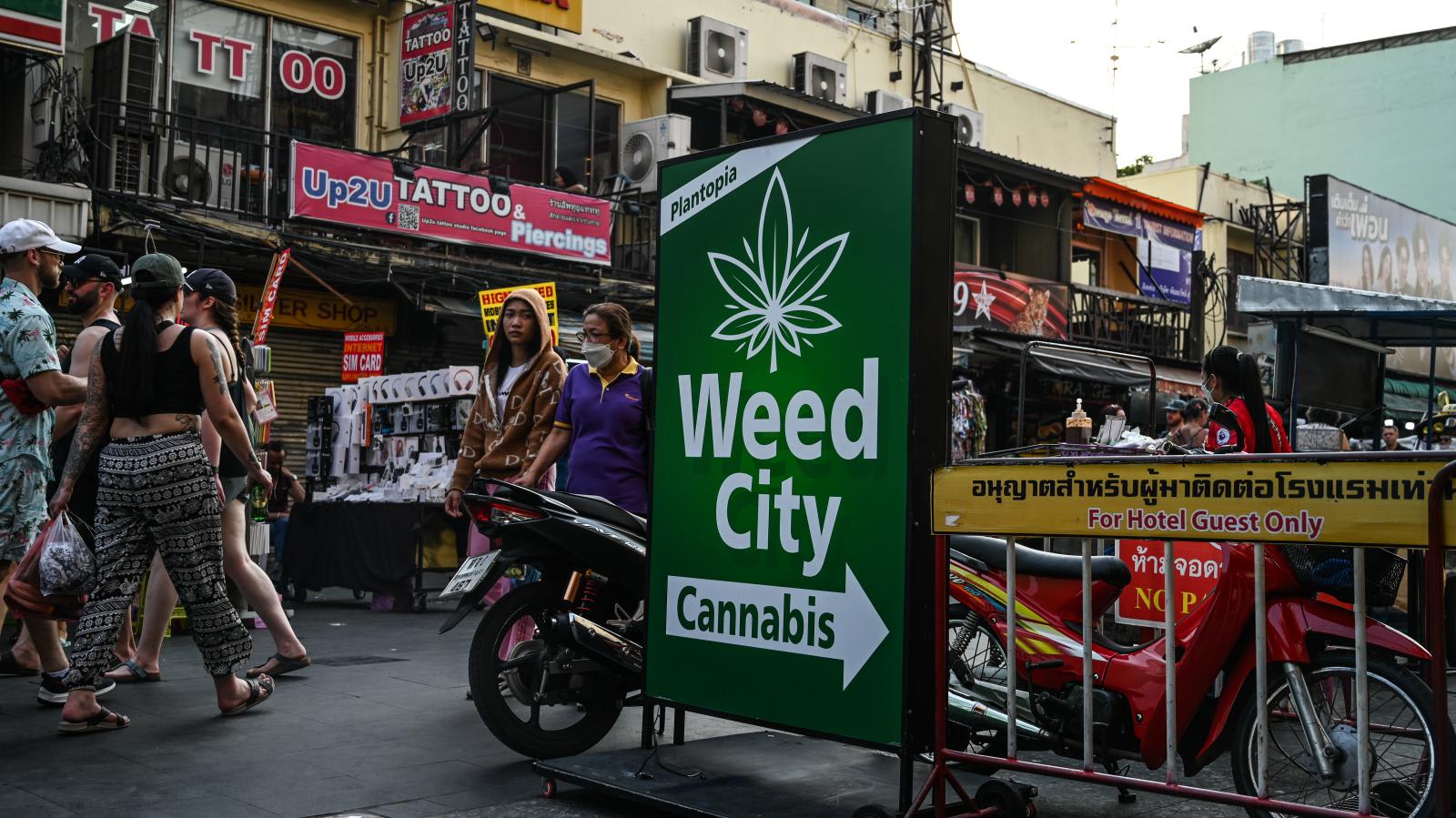
The fluctuating legal stance on cannabis has significant economic implications:
- Business Investments: Entrepreneurs who invested in cannabis-related ventures now face potential losses due to changing regulations.
- Tourism Revenue: The ambiguity surrounding cannabis laws may deter tourists interested in wellness experiences, affecting the projected growth in this sector.
Public Health and Safety Concerns
Incidents related to cannabis misuse have raised public health concerns. For instance, a tourist in Pattaya experienced severe adverse reactions after consuming cannabis, leading to erratic behavior and subsequent arrest. Such cases highlight the need for clear guidelines and public education on responsible cannabis use.
The Path Forward
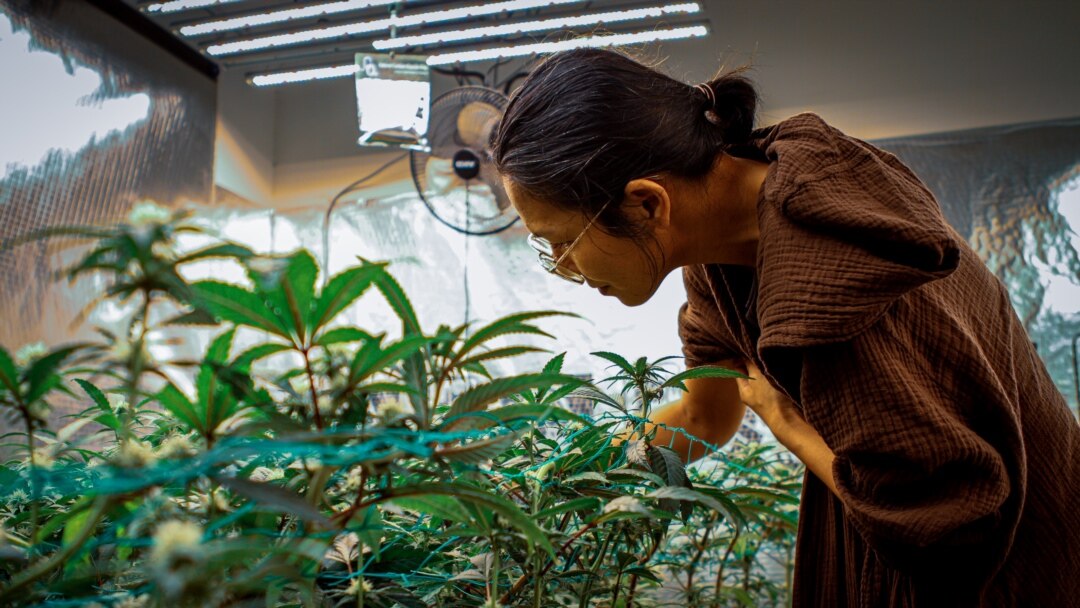
For Thailand to realise its vision of becoming a premier destination for cannabis wellness tourism, several steps are essential:
- Clear Regulations: Establishing a consistent legal framework that delineates permissible uses of cannabis will provide clarity for businesses and tourists alike.
- Public Education: Implementing educational campaigns on the benefits and risks of cannabis use can promote responsible consumption and mitigate health risks.
- Quality Control: Ensuring that cannabis products meet safety and quality standards will build trust among consumers and enhance Thailand’s reputation as a wellness destination.
Balancing Promise and Regulation
While Thailand’s foray into cannabis wellness tourism holds promise, the industry’s success hinges on the establishment of stable regulations and comprehensive public education. Balancing economic ambitions with public health considerations will be crucial in navigating this evolving landscape.
Similar read:
- A Breath of Fresh Air: Exploring Thai Inhalers and Why Thais Like Them
- The Evolution of Thai Pornography: A Historical Perspective
- Staying Healthy Abroad: Navigating Thailand’s Healthcare System
Sources:
[1] The Times
[2] The Scottish Sun
[3] KushHouse
[4] The Guardian
[5] Nation Thailand