

Share This Article
Thailand is charging ahead in the electric vehicle (EV) race, positioning itself as a pivotal player in Southeast Asia’s automotive landscape. As the largest automotive producer in the region, accounting for nearly 43% of all motor production, Thailand is not just keeping pace with global trends; it is setting the stage for a robust EV industry that could redefine the future of transportation in the region and beyond.
The Current State of Thailand’s EV Industry
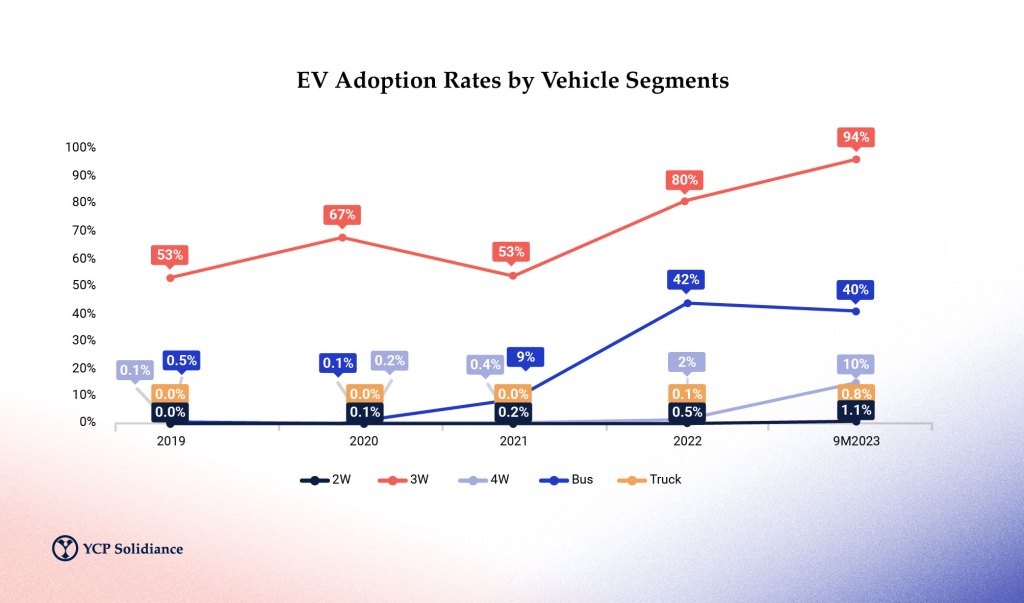
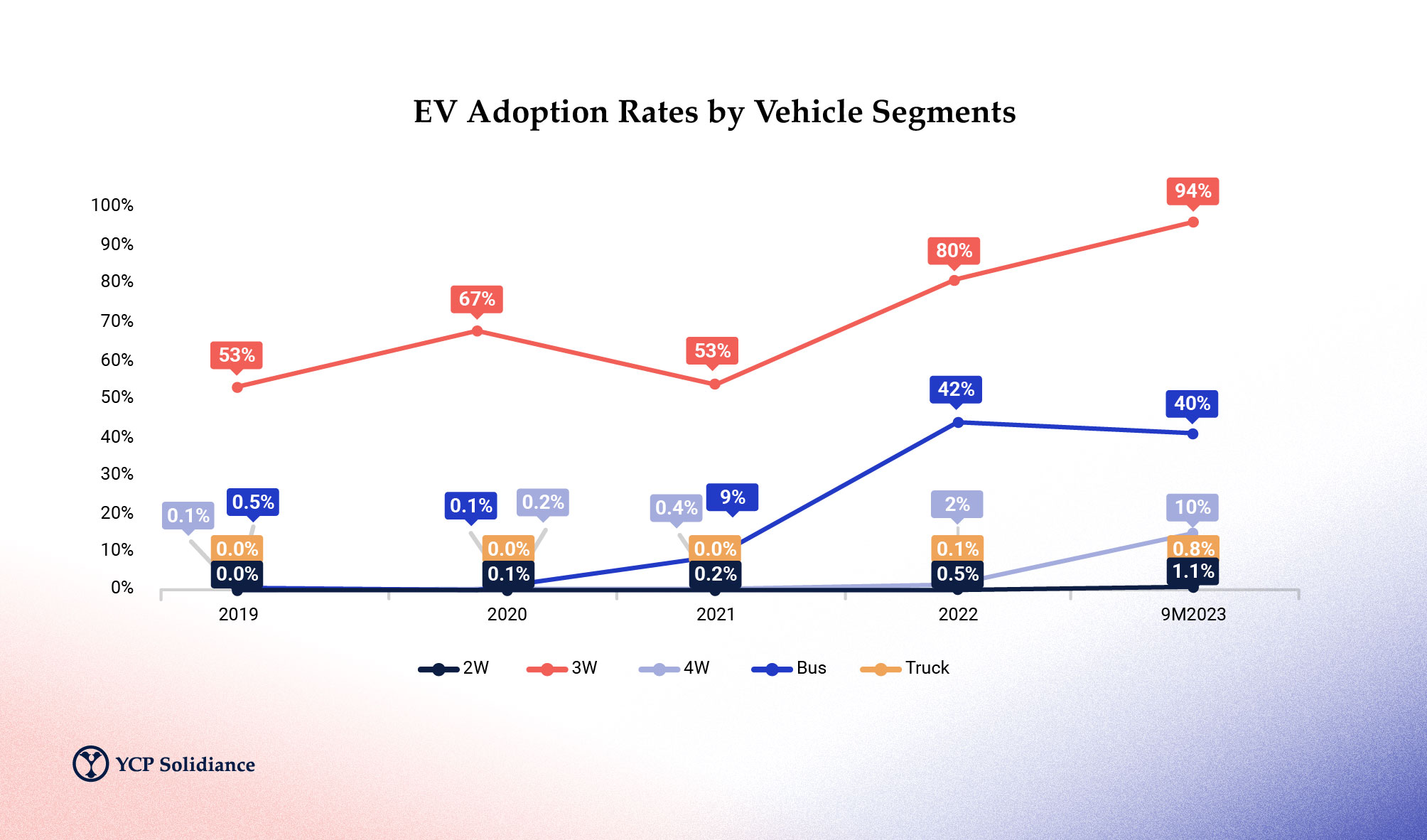
The momentum behind Thailand’s EV sector is undeniable. In 2023 alone, EV sales skyrocketed to 76,000 units, marking an astonishing eightfold increase from previous years and capturing 12% of the total vehicle market. This figure climbed to 14% in early 2024, underscoring Thai consumers’ rapid adoption of electric vehicles. The government’s “30@30” initiative aims for 30% of all vehicles produced in Thailand to be electric by 2030, a target that has garnered significant attention from both local and international automakers.
Government incentives play a crucial role in this growth. The recent subsidy package, which offers up to 100,000 baht (approximately $2,764) per EV, alongside reduced import duties, is designed to make electric vehicles more accessible to the average consumer. This proactive approach not only fosters domestic demand but also attracts foreign investment, with major players like BYD, Toyota, and Mercedes-Benz establishing production facilities in the country.
Moreover, Thailand is developing a comprehensive EV ecosystem that includes a growing network of charging stations—over 2,200 charging locations with more than 8,700 chargers—making it increasingly convenient for consumers to transition to electric vehicles. The local manufacturing of batteries, spearheaded by partnerships with companies like SVOLT Energy Technology, further solidifies Thailand’s position as a regional hub for EV production.
A Bright Future Ahead

Looking forward, the outlook for Thailand’s EV industry is promising. Analysts project a compound annual growth rate (CAGR) of 5.06% from 2024 to 2028, with the market expected to reach a volume of approximately $1.34 billion by 2028. This growth trajectory is fuelled by a combination of governmental support, increasing consumer awareness of environmental issues, and the competitive pricing of electric vehicles, particularly from Chinese manufacturers.
However, challenges remain. The EV truck segment, for instance, faces hurdles related to higher upfront costs and limited charging infrastructure for long-haul routes. Yet, there is a growing demand from logistics companies for electrification, which could drive innovation and investment in this area.
Thailand’s strategic location within ASEAN and its established automotive supply chain provides a strong foundation for further growth. As neighbouring countries like Indonesia ramp up their own EV initiatives, Thailand’s leadership in the midstream and downstream segments of the EV supply chain positions it well to collaborate and compete on a regional scale.
Final Thoughts
Thailand’s electric vehicle industry is not just a national endeavour; it has the potential to influence global trends in sustainable transportation. By investing in infrastructure, fostering innovation, and encouraging consumer adoption, Thailand is setting an example for other nations looking to transition to greener mobility solutions. As the country accelerates towards its ambitious goals, it is clear that Thailand is not just participating in the EV revolution—it is leading the charge.
Similar read:
- Building a Sustainable Future: 8 Inspiring CSR Initiatives in Thailand
- 8 Thailand Sustainable Brands Making a Difference
- Wildlife Conservation in Thailand: 8 Projects Making a Difference
Sources: The Nation, EV Magazine, YCP Solidiance, Kadence, Krungsri