

Share This Article
Thailand’s hill tribes are an essential part of the country’s rich cultural tapestry, each offering a distinctive way of life, traditions, and beliefs. Here’s a closer look at eight tribes and what makes them unique:
1. The Karen: Guardians of Bamboo Craftsmanship
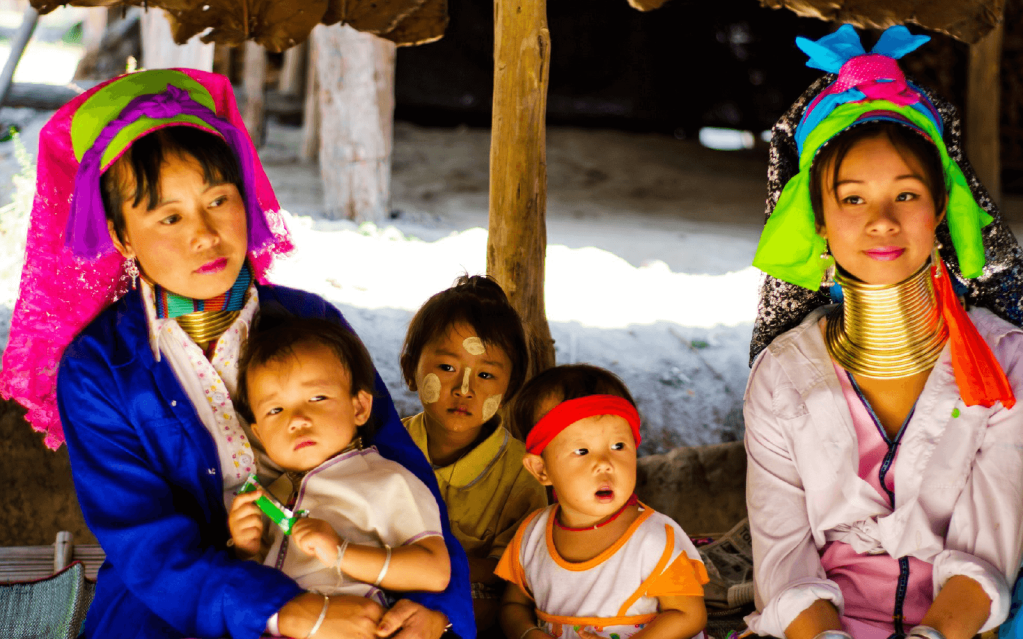

The Karen, Thailand’s largest hill tribe, are known for their intricate weaving and bamboo crafts. Traditionally semi-nomadic, the Karen practice rotational farming and are strong advocates for environmental harmony. Their weaving techniques, often taught to younger generations, result in striking patterns used in clothing and accessories.
2. The Hmong: Masters of Batik and Embroidery

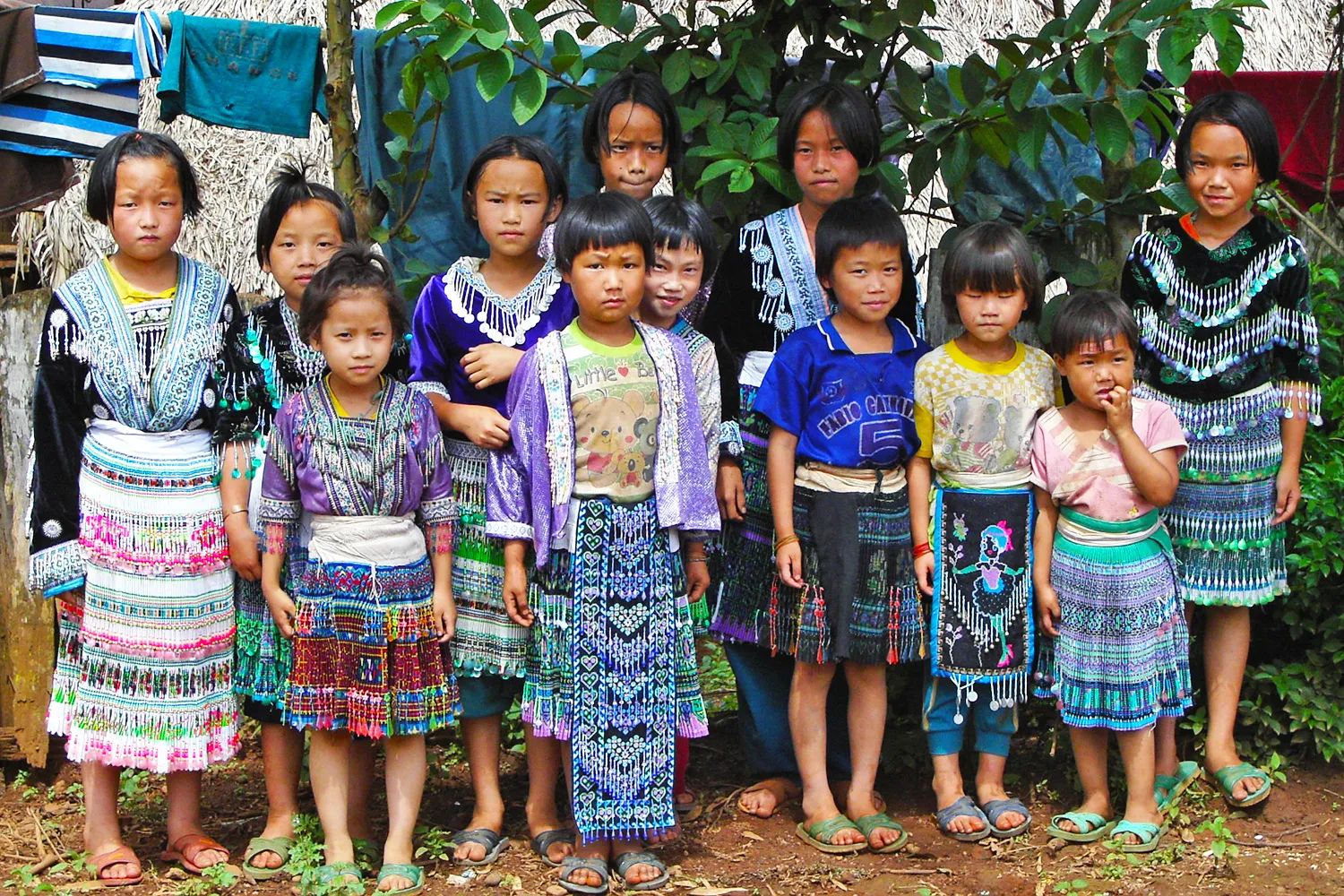
The Hmong tribe is celebrated for its vibrant traditional attire, especially their embroidered textiles and batik designs. Hmong women dye fabrics using natural indigo and create intricate patterns through detailed needlework, which often reflects family stories or spiritual beliefs.
3. The Akha: Keepers of Ornate Headdresses

Known for their silver-decorated headdresses, Akha women showcase their tribe’s artistic heritage. The Akha are animists, believing in a balance between humans and nature. Visitors often witness their ceremonies, which honor ancestral spirits and agricultural cycles.
4. The Lisu: Colorful Patterns and Mountain Farming
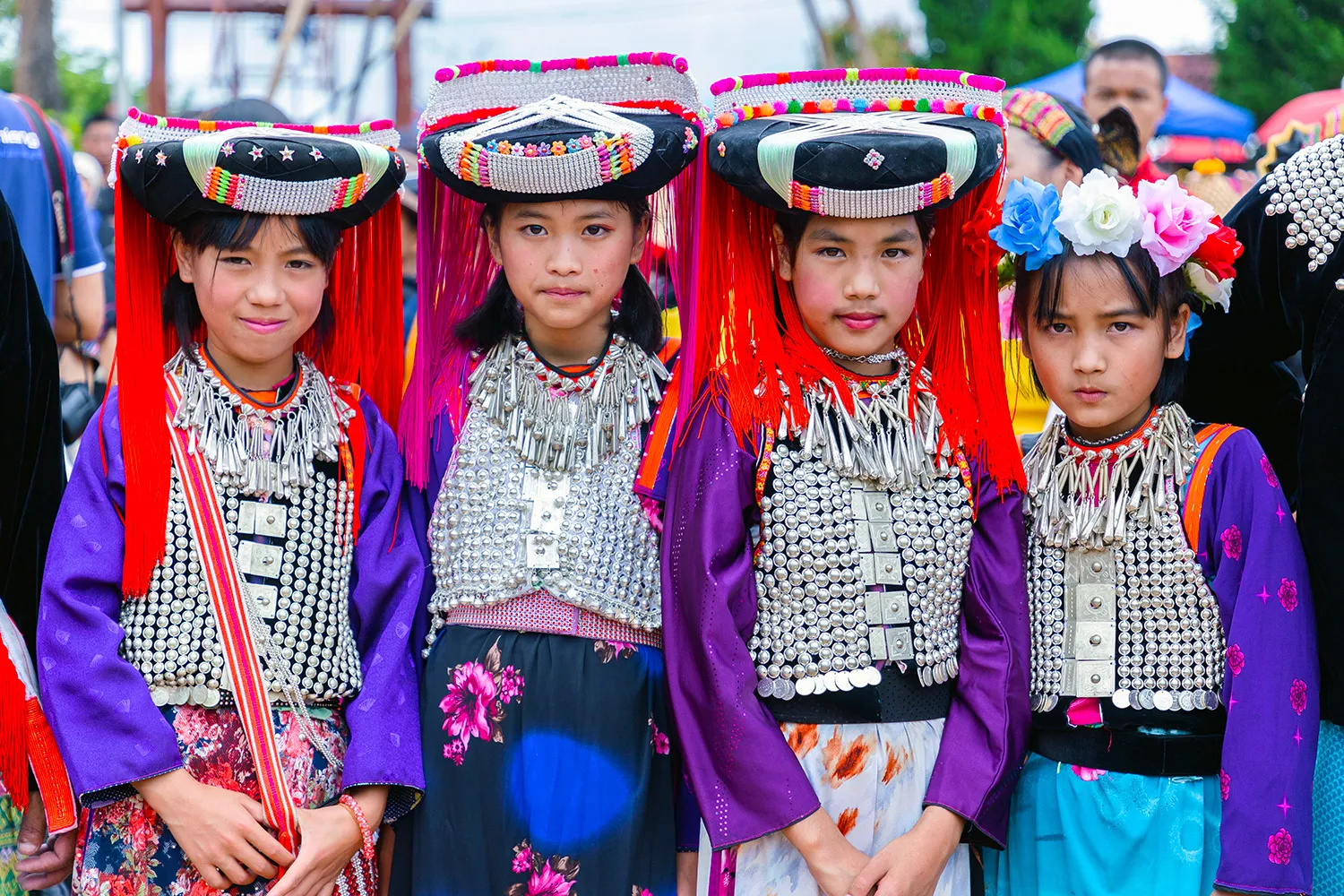
The Lisu tribe stands out for their colorful attire, with bold patterns of blues, reds, and greens. Traditionally farmers, the Lisu grow rice, corn, and other mountain crops. Their annual New Year celebrations are a vibrant display of music, dance, and traditional clothing.
5. The Lahu: Spiritual Storytellers
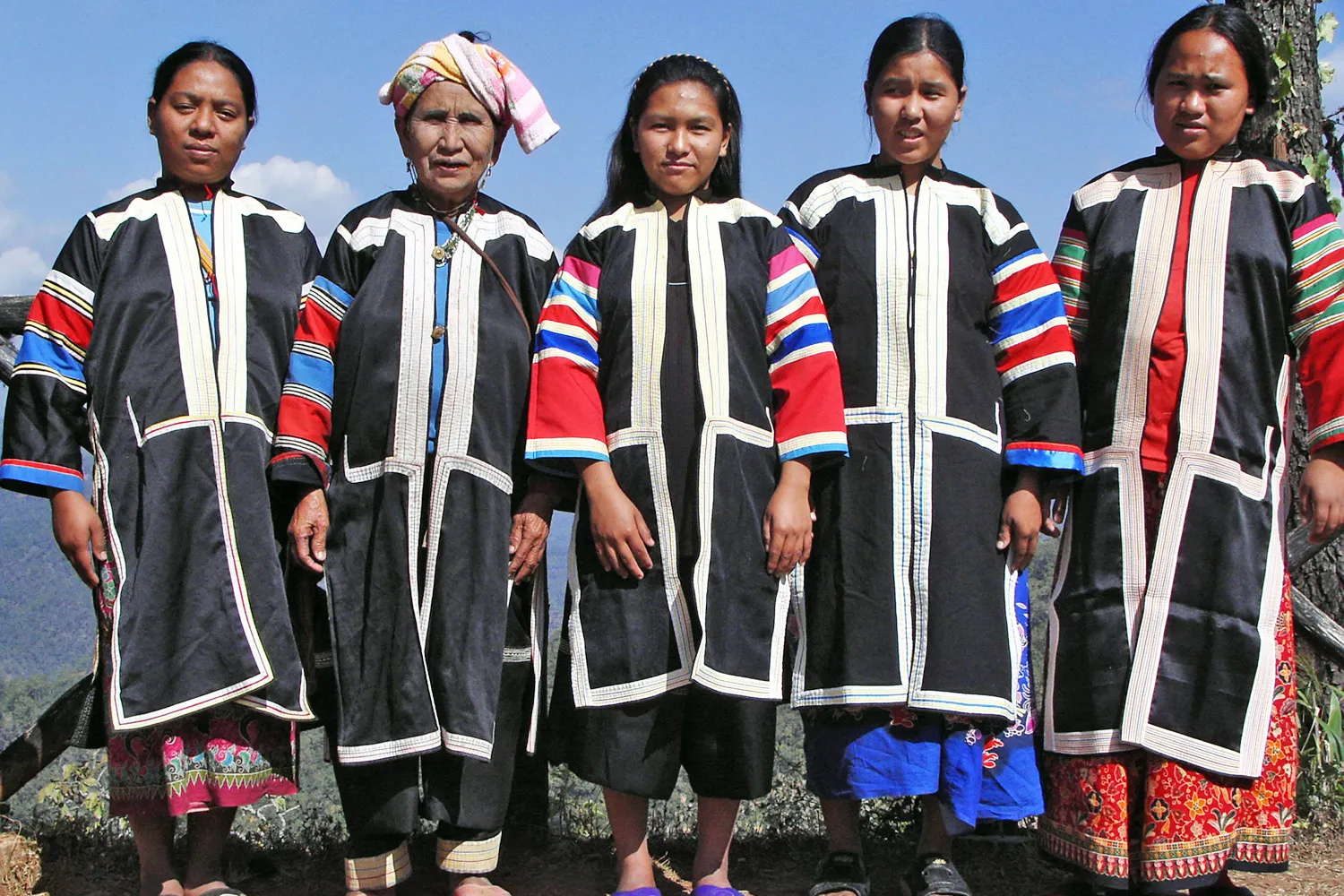
The Lahu, often called the “hunters of the hills,” are known for their storytelling traditions, which weave spiritual teachings with folklore. Their red-and-black woven outfits symbolise strength and resilience. The Lahu blend animistic beliefs with Christianity in their daily rituals.
6. The Mien: Artisans of Silver Jewelry
The Mien tribe, or Yao, are expert silversmiths, crafting exquisite jewelry that reflects their spiritual and cultural heritage. Mien women wear distinctive embroidered tunics with silver accessories that signify marital and social status
7. The Palong: Unique Waistbands and Agricultural Ingenuity

The Palong, or Dara-Ang, are known for the distinctive red waistbands worn by their women. Skilled in agriculture, the Palong cultivate tea and other high-altitude crops. Their commitment to sustainable farming has inspired eco-tourism projects in their communities.
8. The H’tin: Preserving Ancient Animistic Practices

The H’tin, one of the smaller tribes, are known for their simple lifestyle and animistic beliefs. They craft natural dyes from forest plants and create practical clothing. The H’tin’s rituals often include offerings to spirits to ensure harmony in their villages.
A Living Heritage Worth Preserving
Thailand’s hill tribes embody a rich and diverse cultural heritage, offering a glimpse into centuries-old traditions and a way of life deeply connected to nature. From the Karen’s bamboo craftsmanship to the Akha’s ornate headdresses, each tribe contributes uniquely to the country’s vibrant cultural tapestry. As modern influences continue to shape their communities, efforts to preserve their traditions and empower their people are more important than ever. By understanding and respecting their way of life, we not only celebrate their remarkable heritage but also ensure that it thrives for generations to come.
Similar read:
- Thai Elephant Sanctuaries: Ethical Tourism or Exploitation?
- Unseen Influences: How Hinduism Shaped Thai Cultural Beliefs
- Sanook, Sabai, and Jai Dee: Key Concepts in Thai Cultural Identity
Sources: Challenges Abroad, Thailand Hilltribe Holidays, Wikipedia, Next Step Thailand