

Share This Article
Thailand is blazing a trail towards a cleaner, greener energy future. With ambitious goals of achieving carbon neutrality by 2050 and net-zero greenhouse gas emissions by 2065, the nation is undertaking a transformative journey to revolutionise its energy landscape.
At the heart of this mission is the push towards renewable energy, particularly solar, wind, and hydropower, as it seeks to reduce its reliance on fossil fuels and mitigate the environmental impact of its power sector, which currently accounts for 35% of its greenhouse gas emissions.
This editorial unpacks Thailand’s bold steps, innovative strategies, and challenges to achieving renewable energy independence.
A Fossil-Fuel-Dominated Landscape in Transition


As of 2023, Thailand’s energy mix remains heavily dependent on fossil fuels, with natural gas supplying 59% of electricity and coal contributing another 14%. Despite this, renewables like solar and wind make up a modest 10%.
Recognising the environmental and economic risks of this dependency, Thailand is determined to pivot towards sustainability.
Key Shift:
Under its latest Power Development Plan (PDP), Thailand aims to increase the share of renewable energy to 51% by the end of 2024—a significant rise from the previous target of 36% under PDP 2018.
The Power of Strategic Planning


Thailand’s renewable energy ambitions are guided by robust strategies such as the Alternative Energy Development Plan (AEDP). The plan sets clear targets to generate 37% of electricity from renewable sources by 2037.
Milestones:
- Solar Power Surge: 24,412 MW target by 2037.
- Wind Energy Boost: 5,345 MW to be added.
- Biomass Expansion: 1,045 MW of energy capacity in the works.
By leveraging international partnerships, including hydropower imports from neighbouring countries, Thailand ensures a diverse energy portfolio.
Economic Gains of Going Green

Investing in renewable energy is more than an environmental necessity—it’s an economic boon. Transitioning to renewables:
- Creates Jobs: The renewable energy sector has immense potential to generate employment opportunities.
- Cuts Costs: Reduces reliance on imported fossil fuels, shielding the economy from volatile global energy prices.
- Improves Health: Decreased pollution means better air quality and public health outcomes.
Technological Innovation: A Game-Changer
The adoption of advanced technologies, particularly in energy storage and grid management, is critical to balancing the intermittent nature of renewable sources like solar and wind.
Focus Areas:
- Modernising Thailand’s grid infrastructure to handle variable energy input.
- Developing financial incentives for innovations in renewable energy and efficiency.
Overcoming Challenges

Thailand’s journey isn’t without hurdles. Regulatory frameworks need to be modernised to support renewable integration. Moreover, infrastructure development must align with renewable energy goals to ensure grid stability.
Solutions:
- Engaging public-private partnerships to boost investments.
- Enhancing regulatory policies to foster a more favourable environment for green energy.
Inspiring Southeast Asia
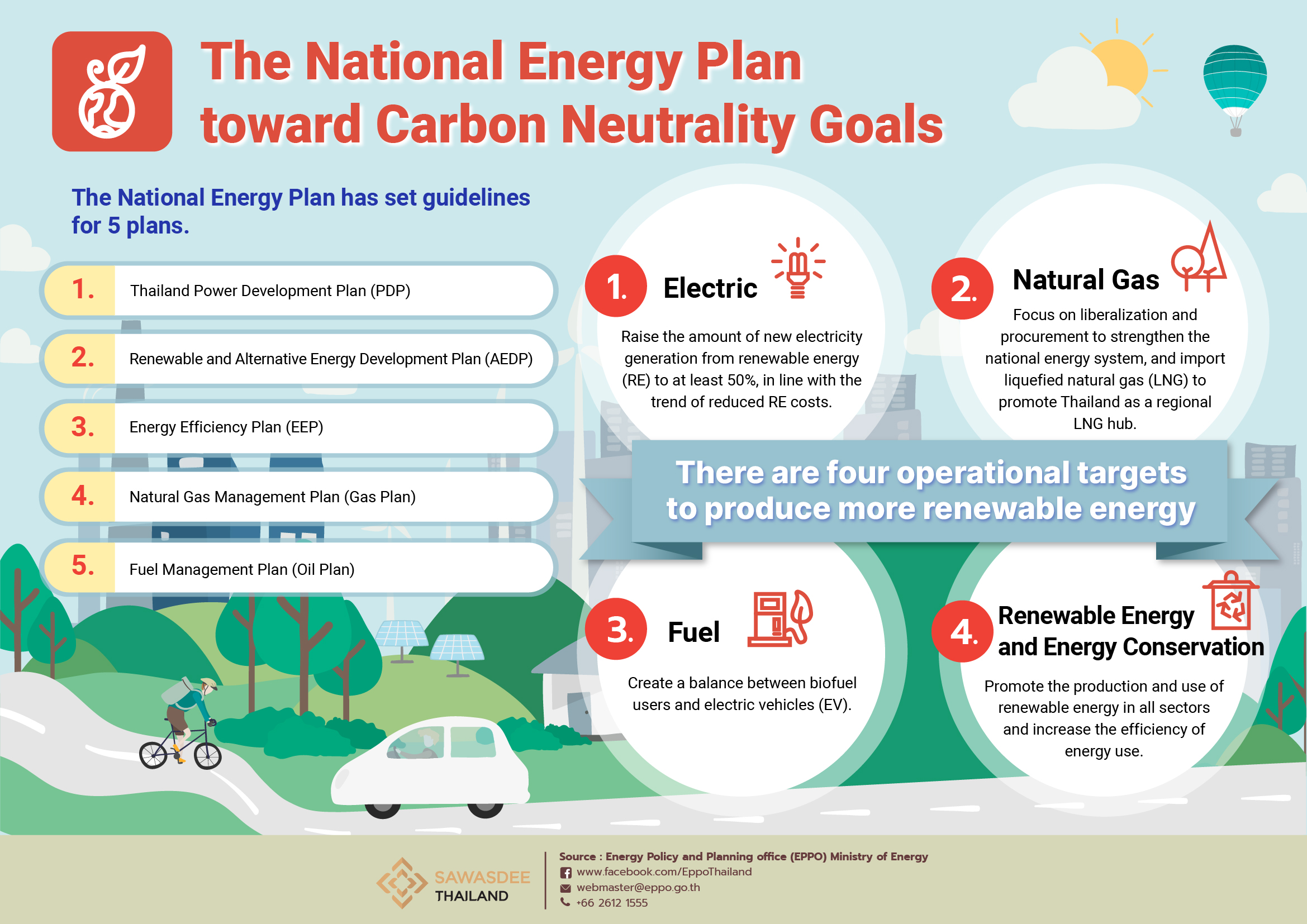
Thailand’s comprehensive National Energy Plan positions it as a potential leader in renewable energy in Southeast Asia. The plan has five key strategies: Power Development Plan, Renewable Energy Plan, Energy Efficiency Plan, Natural Gas Management Plan, and Fuel Management Plan, targeting carbon neutrality goals. Its achievements could set a benchmark for neighbouring countries and inspire a regional shift towards sustainability.
The Road Ahead
Thailand’s pursuit of greener grids is a testament to its commitment to sustainability and energy independence. Achieving these goals requires strong policies and collaboration across industries, communities, and governments. As the nation invests in its renewable future, it will open doors to economic prosperity, environmental preservation, and regional leadership in sustainable energy.
This is a pivotal moment for Thailand—and for a world looking to tackle the global climate crisis.
Similar read:
- Zero Waste Tourism: How Thailand’s Popular Destinations Are Going Green
- Thailand’s Circular Economy: Turning Waste into Resources
- Thailand’s Coral Reef Restoration Efforts: A Model for Marine Conservation
Sources: AIT, IEA, Nation Thailand, Ember Energy, OECD, SIPET, Carbon Trust, Nation Thailand