

Share This Article
Hanuman, the revered monkey god from the Ramakien—Thailand’s adaptation of the Indian epic Ramayana—holds a significant place in Thai culture, particularly in the realms of art and dance. His tales of bravery, loyalty, and mischief have been intricately woven into Thailand’s artistic expressions, reflecting the nation’s deep-rooted appreciation for this divine figure.
Hanuman in the Ramakien
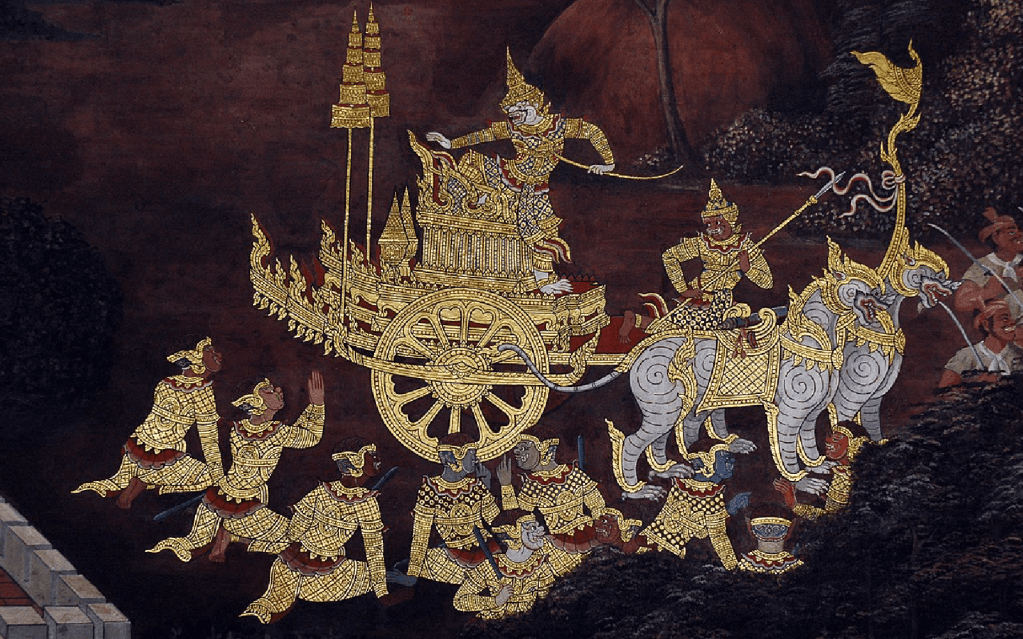
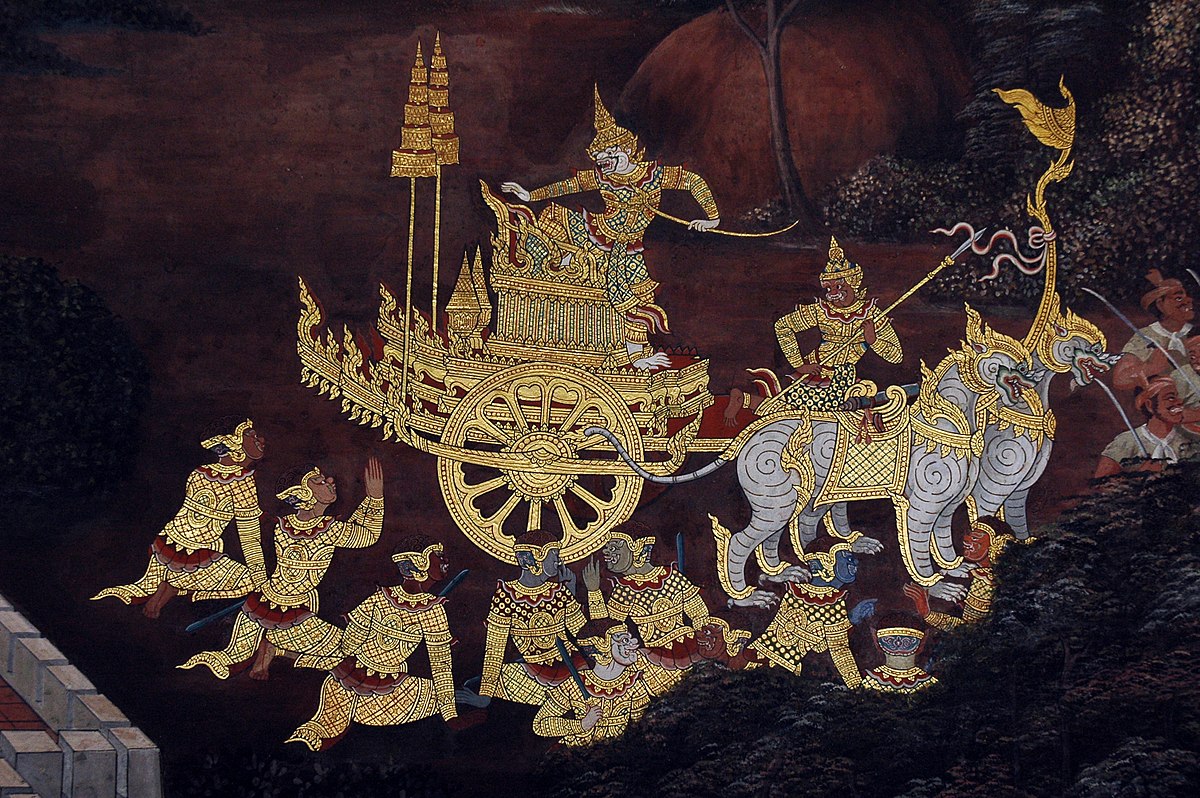
In the Ramakien, Hanuman serves as a central character, embodying qualities of strength, devotion, and agility. Unlike his Indian counterpart, the Thai Hanuman is often portrayed with a more playful and flirtatious demeanor, adding layers to his persona. His adventures, including his encounter with the mermaid Suvannamaccha, showcase his dynamic nature and have become integral episodes in Thai storytelling.
The Art of Khon: Dance and Drama


One of the most prominent platforms where Hanuman’s character comes to life is in Khon, Thailand’s classical masked dance-drama. Traditionally performed in royal courts, Khon combines elaborate costumes, intricate masks, and graceful movements to narrate stories from the Ramakien. Hanuman’s role in these performances is particularly dynamic, showcasing his agility and charisma.
Hanuman in Thai Art

Beyond the stage, Hanuman’s image is a recurring motif in Thai visual arts. From temple murals to traditional paintings, his exploits are depicted with vibrant colors and meticulous detail. These artworks not only serve as aesthetic masterpieces but also as educational tools, conveying moral lessons and cultural values associated with Hanuman’s tales.
Cultural Significance
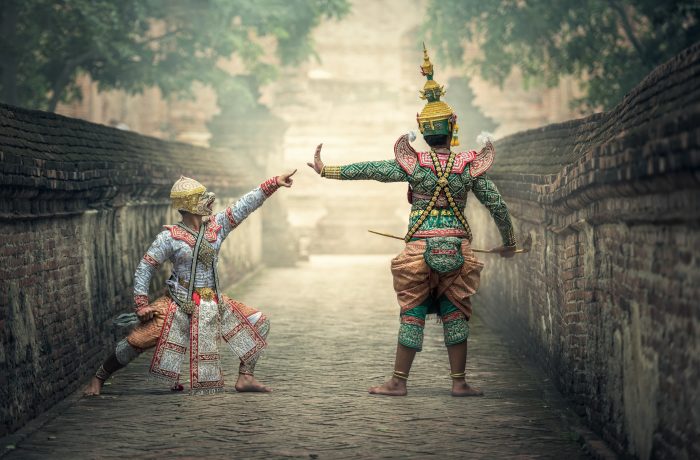
Hanuman’s enduring presence in Thai art and dance underscores his importance in the nation’s cultural identity. He symbolizes virtues such as loyalty, courage, and wit, qualities that resonate deeply within Thai society. Moreover, his stories offer insights into the human condition, blending elements of divinity and mortality, making them relatable across generations.
Conclusion
The legacy of Hanuman in Thailand is a testament to the country’s rich cultural tapestry. Through art and dance, his stories continue to inspire, educate, and entertain, ensuring that the monkey god’s spirit remains an integral part of Thai heritage.
Similar read:
- Unseen Influences: How Hinduism Shaped Thai Cultural Beliefs
- Sacred Symbols: Exploring the Meaning Behind Thai Temple Murals
- Folklore and Mythology: 7 Stories That Shaped Thai Culture
Sources: Ekkarat Thai Amulets, WIKIWICCA, HD Asian Art, My Sakon Nakhon