

Share This Article
Securing a credit card in a new country can feel like navigating a maze, especially in a place as vibrant and unique as Thailand. For expats, understanding the local financial system and meeting the specific requirements can be challenging but not impossible.
Whether you’re looking to build your credit history or enjoy the perks of cashless transactions, here’s a handy guide to getting a credit card in Thailand.
1. Understand the Benefits of Having a Credit Card in Thailand
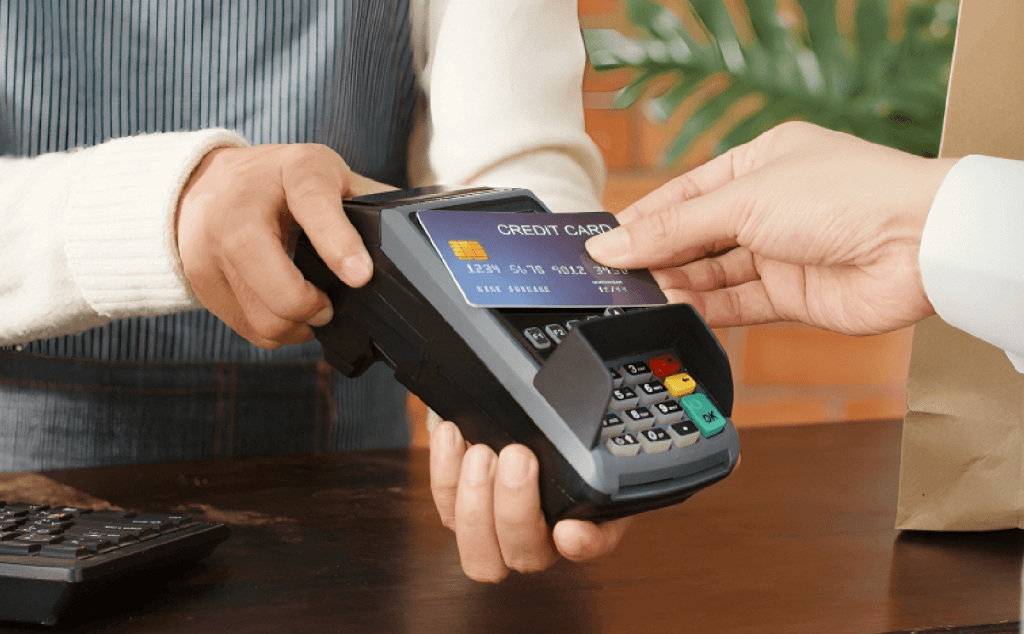
Having a credit card in Thailand offers numerous advantages. From earning rewards points on everyday purchases to getting travel insurance and access to exclusive discounts, the benefits are vast. Moreover, using a credit card responsibly helps build your credit score, which is beneficial if you plan to stay long-term and require loans or mortgages in the future.
2. Choose the Right Bank

Not all banks in Thailand offer credit cards to expats, so it’s crucial to know which ones do. Banks like Bangkok Bank, Siam Commercial Bank (SCB), and Kasikorn Bank (KBank) are known for their expat-friendly policies. Researching these banks’ specific credit card offerings can help you find one that matches your financial needs and spending habits.
3. Gather the Necessary Documents
Before applying, ensure you have all the required documents ready. Typically, you’ll need:
- A valid passport
- Work permit or proof of long-term visa
- Proof of income (such as salary slips or tax returns)
- Bank statements from the past six months
- Copy of the certificate of commercial registration (for business owners only)
Having these documents prepared in advance can significantly speed up the application process.
4. Meet the Income Requirements
Each bank sets its minimum income requirement for credit card applicants. For instance, some banks may require a monthly income of at least THB 50,000. Ensure you meet these requirements before applying to avoid unnecessary rejections. If your income is variable, providing additional proof of stable financial status can be beneficial.
5. Consider a Secured Credit Card
If you’re having trouble qualifying for a traditional credit card, consider applying for a secured credit card. These cards require a cash deposit that serves as collateral and can be a great way to build or rebuild your credit score in Thailand. Typically, the deposit ranges from THB 100,000 to THB 200,000, depending on the bank. Over time, demonstrating responsible use can lead to eligibility for unsecured credit cards.
6. Utilise Online Application Platforms
Many Thai banks offer online applications for credit cards, making the process more convenient. These platforms often provide step-by-step guidance, helping you understand each requirement and submit your application without the need for multiple bank visits.
7. Understand the Fees and Interest Rates
Credit cards come with various fees and interest rates that can impact your overall costs. It’s essential to understand these charges, including annual fees, foreign transaction fees, and interest rates on outstanding balances. Comparing these details across different banks can help you choose the most cost-effective option.
8. Be Patient and Persistent
The application process can sometimes be lengthy and may require multiple visits to the bank. Patience and persistence are key. Don’t get discouraged by initial setbacks, and be prepared to follow up with the bank to ensure your application is progressing.
Navigating Credit Card Applications for Expats in Thailand
Applying for a credit card as an expat in Thailand doesn’t have to be a daunting task. By understanding the benefits, choosing the right bank, and preparing the necessary documents, you can navigate the process smoothly. With this guide, you’re well-equipped to embark on your financial journey in Thailand, enjoying the perks and conveniences that come with having a credit card.
Similar read:
- Thailand Digital Nomad Visa: Eligibility, Benefits & How to Apply
- Soaring Prices for New High-End Condominiums in Bangkok: A Market Overview
Sources: Thailand.go.th, Thaiger, ExpatDen
1 Comment