

Share This Article
As the mercury soars with the beginning of summer, Thailand brings out its culinary best to combat the sweltering heat, with Khao Chae taking center stage. This traditional Thai dish, a unique blend of aromatic flavors and textures, is more than just food; it’s a cooling ritual that celebrates the ingenuity of Thai cuisine.
Let’s dive into the refreshing world of Khao Chae and discover why this dish is a must-try during Thailand’s hottest months.
1. What is Khao Chae?

Khao Chae translates to ‘rice soaked in water,’ but this simple description belies its complex taste and preparation. It’s a ceremonial dish made of jasmine rice in iced jasmine-infused water, accompanied by a variety of side dishes that are meticulously prepared and presented.
2. A Glimpse into History
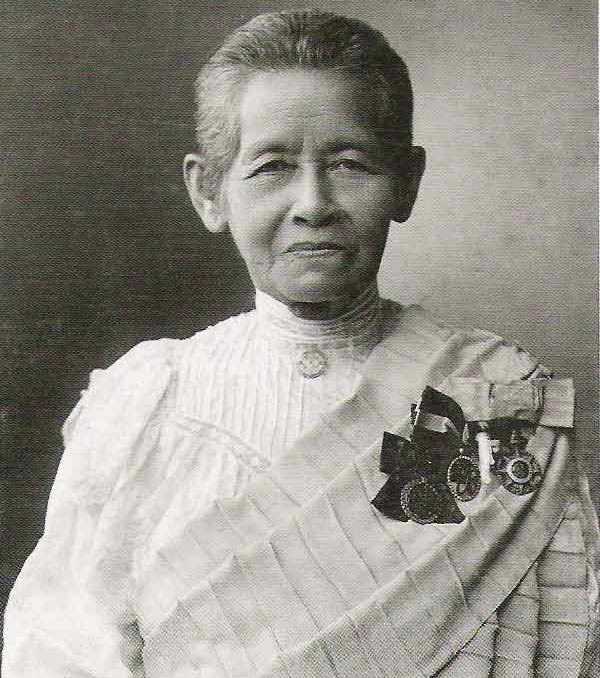

Khao Chae’s origins can be traced back to Phetchaburi, a province in southern Thailand, attributed to Chao Chom Manda Sonklin, King Rama IV’s wife with Mon ancestry. During a visit to the palace, she shared her recipe for khao chae with the palace kitchen staff. The recipe was slightly modified to create a Siamese rendition known as khao chae chao wang, which quickly gained popularity as an exclusive dish savored only by the aristocracy.
3. Ingredients Unveiled

The composition of the dish includes four main elements: par-boiled rice, known as ob tien, which is smoked using a cooking candle for a distinct aroma; water infused with jasmine; ice cubes; and various side dishes.
The selection of sides can vary by chef, but key highlights often feature deep-fried balls of kapi (a type of krill paste) blended with grilled snakehead or seer fish, lemongrass, and finger roots (grachai), along with sweetened shredded pork, beef, or fish, Chinese radish sautéed with egg (hua chai po pad kai), stuffed shallots and paprika encased in delicate egg lace, complemented by fresh vegetables like cucumber, green mango, and spring onion to offset the sweetness of the accompanying dishes.
4. Savoring Khao Chae
- Add a modest amount that allows for covering with jasmine water and a couple of ice cubes. Avoid overfilling your bowl with rice.
- Enjoy a piece of the side dish followed by a spoonful of the rice and aromatic water to cleanse the palate. Refrain from mixing the side dishes directly into your bowl of rice because this may change the taste of the rice and water.
- The fresh vegetables provided should be eaten between mouthfuls, as they offer a refreshing contrast to the sweetness of certain side dishes, which can be intense.
5. Where to Eat
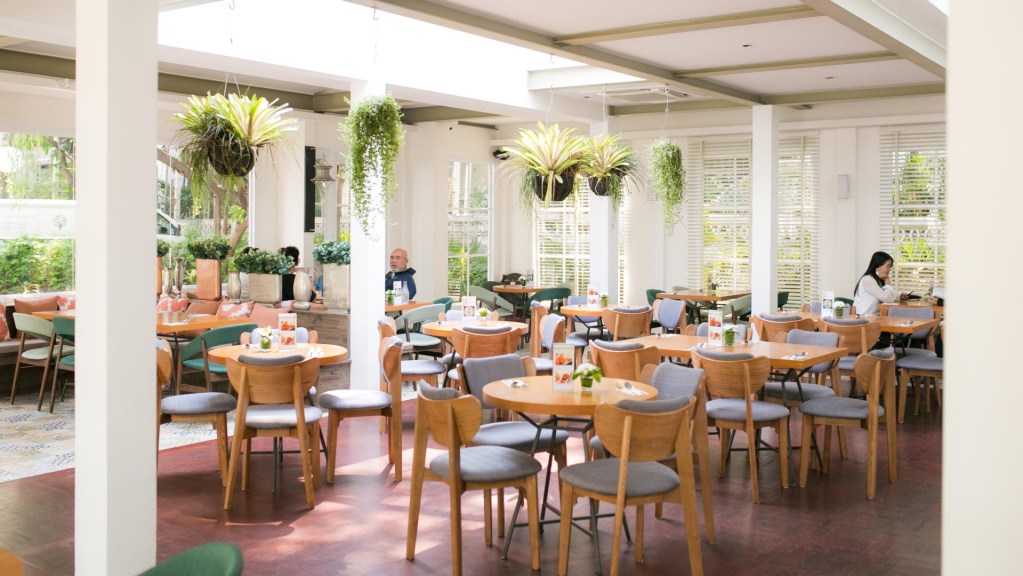
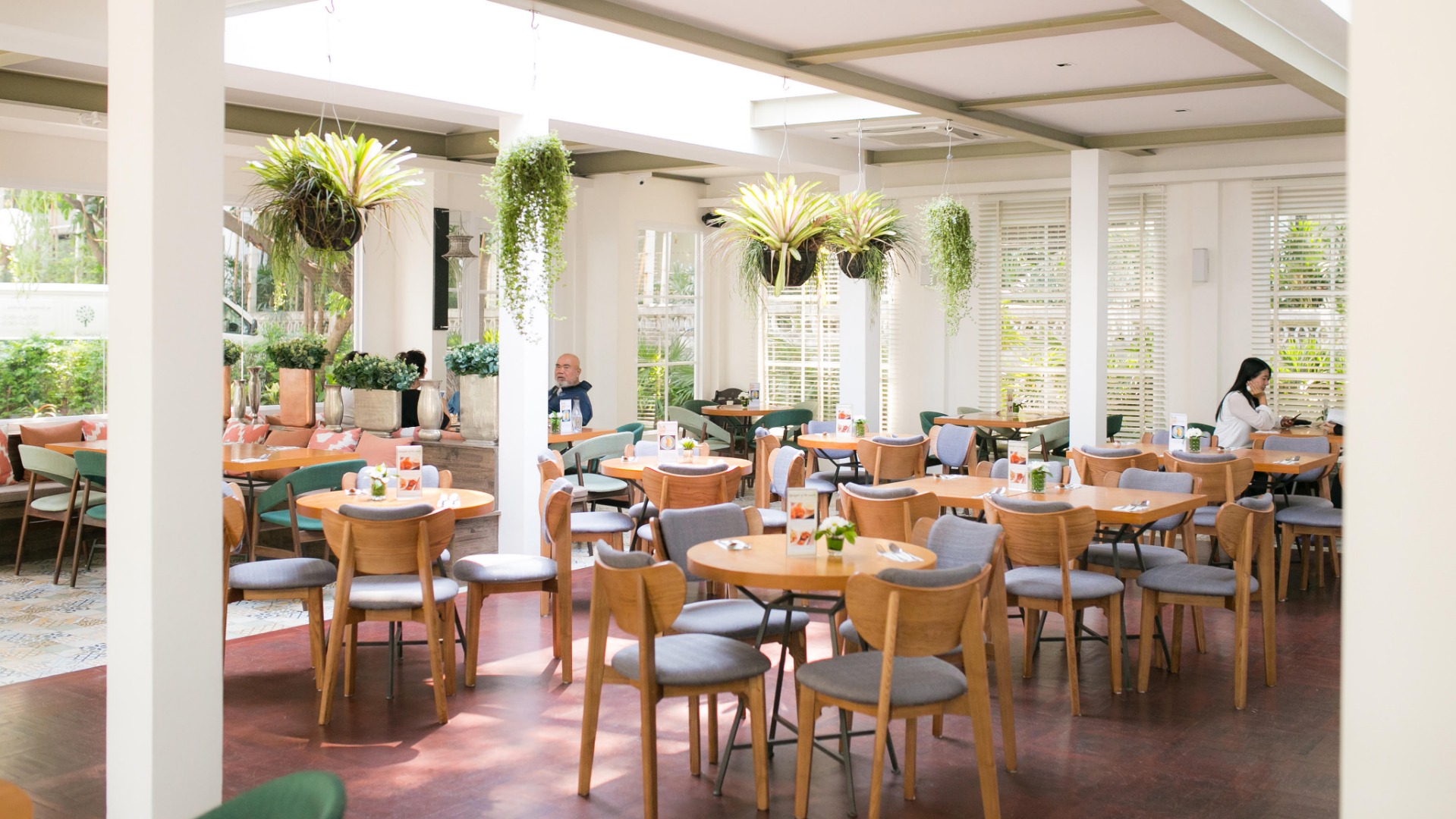
If you’re in Thailand during the summer and looking for places to eat, you’ll find many restaurants serving Khao Chae as their seasonal menu. To help you decide where to start, here are four restaurants that we personally recommend:
- Baan Wannakovit
Address: 64 Thanon Tanao, Wat Bowon Niwet, Phra Nakhon, Bangkok 10200, Thailand - Sanguan Sri
Address: 59, 1 Witthayu Rd, Lumphini, Pathum Wan, Bangkok 10330, Thailand - Silom Village Restaurant
Address: Khlong Toei Nuea, Watthana, Bangkok 10110, Thailand - Kalpapruek
Address: 27 Pramuan Rd, Silom, Bang Rak, Bangkok 10500, Thailand
Discover the Delights of Khao Chae
Khao Chae is more than a delicious meal; it is an experience that takes you on a culinary journey into the heart of Thai culture and its response to the tropical climate. This summer, treat yourself to the refreshing and complex flavors of Khao Chae and immerse yourself in this exquisite dish. Whether you’re wandering the lively streets of Bangkok or discovering the serene corners of Thailand, make sure to seek out Khao Chae and indulge in this timeless summer tradition.
Sources: Michelin Guide, Klook, BK Magazine