

Share This Article
Renowned for its vibrant culture, stunning landscapes, and rich traditions, Thailand also boasts a unique art form that embodies respect, beauty, and spirituality: the art of floral arrangements. Thai floral art goes beyond creating beautiful decorations; it is a spiritual practice reflecting the country’s deep-rooted customs.
Here’s a guide to understanding and mastering the art of traditional Thai floral arrangements.
1. Introduction to Thai Floral Art
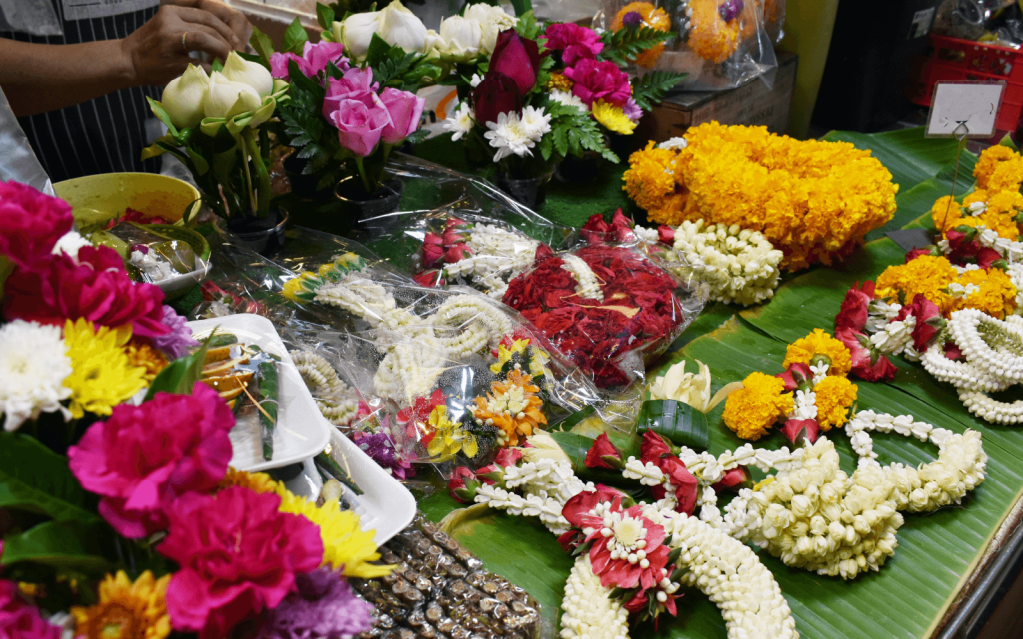
Thai floral arrangements are an integral part of Thai culture and daily life. These intricate designs are often used in religious ceremonies, festivals, and as offerings in temples. The practice involves using fresh flowers, leaves, and other natural materials to create stunning, symbolic pieces that convey deep respect and reverence.
2. Phuang Malai: The Iconic Flower Garland

Phuang Malai, or flower garlands, are perhaps the most recognisable form of Thai floral art. These garlands are traditionally made using jasmine buds, roses, marigolds, and orchids threaded together in intricate patterns. Phuang Malai is used as an offering in temples, given as tokens of respect and gratitude, and worn during special ceremonies.
3. Bai Sri: The Symbol of Prosperity
Bai Sri arrangements are elaborate floral pieces used in traditional Thai rituals, such as weddings and housewarming ceremonies. Made from banana leaves, jasmine, marigold, and other flowers, Bai Sri symbolises prosperity, purity, and protection. These arrangements often feature tiered structures and are central to many cultural festivities.
4. Dok Mai Chan: Funerary Flower Arrangements
Dok Mai Chan, or wood flowers, are crafted for Thai funerals. These artificial flowers, made from paper and corn husk, are placed on the funeral pyre as a final tribute to the deceased. The delicate, handcrafted artificial flowers signify respect and the transient nature of life.
5. Krathong: Floating Flower Offerings
Krathongs are small, decorated baskets traditionally made from banana leaves and adorned with flowers, incense sticks, and candles. These are floated on rivers during the Loy Krathong festival to pay respects to the water spirits and seek forgiveness for any harm done to the waters. The floating krathongs create a mesmerising sight as they light up the night.
6. Techniques and Materials
Creating traditional Thai floral arrangements involves meticulous techniques and a deep understanding of materials. Fresh flowers like jasmine, marigold, and orchids are commonly used, along with banana leaves and other local natural elements. Techniques include threading, folding, and layering to achieve the desired intricate patterns and structures.
7. Cultural Significance and Usage
Thai floral arrangements are more than just decorations; they hold significant cultural and spiritual meanings. They are used in various ceremonies, from daily offerings at temples to grand celebrations like weddings and festivals. Each arrangement tells a story and serves a purpose, reflecting Thailand’s deep-rooted traditions and beliefs.
8. Learning the Craft
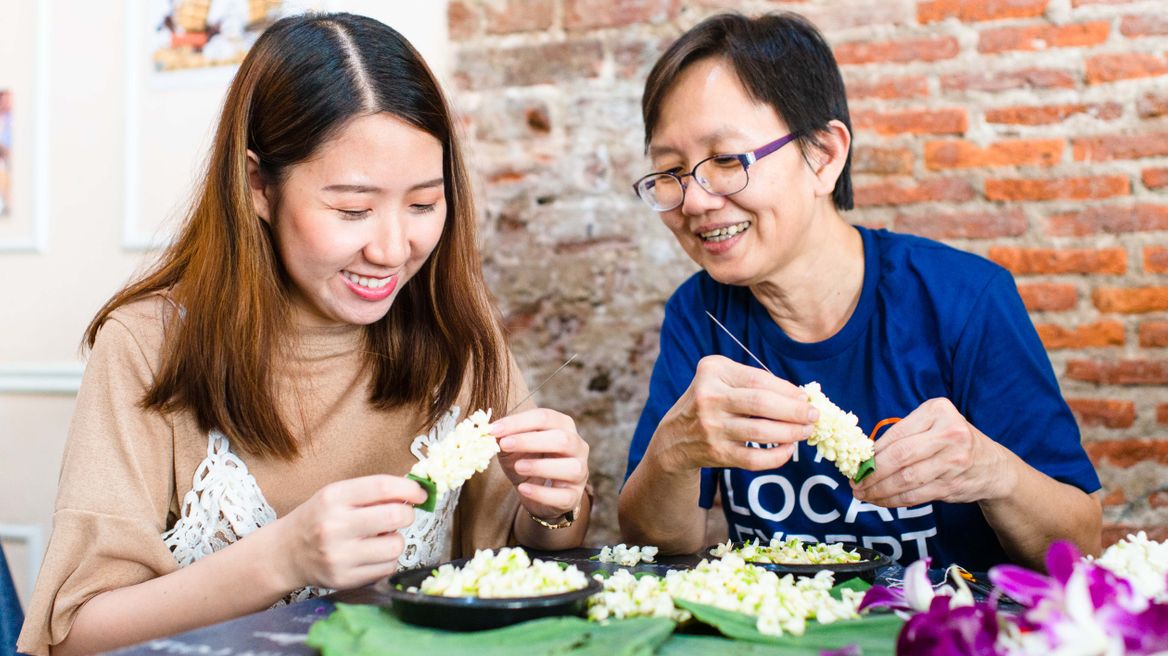
Mastering Thai floral arrangements requires patience, practice, and a keen eye for detail. Many local artisans and cultural centres offer workshops where you can learn the techniques and understand the cultural context behind each arrangement. Engaging in this craft not only enhances your appreciation for Thai culture but also allows you to create meaningful art.
Embrace the Artistry and Spirituality of Thai Floral Arrangements
The art of Thai floral arrangements is a beautiful expression of Thailand’s cultural heritage. Crafting a Phuang Malai garland, a Bai Sri arrangement, or a floating Krathong is a testament to the artistry and spirituality embedded in Thai culture. By learning and practising this art, you can connect with Thailand’s rich traditions and create pieces that are both beautiful and meaningful.
Similar read:
- Folklore and Mythology: 7 Stories That Shaped Thai Culture
- Sacred Symbols: Exploring the Meaning Behind Thai Temple Murals
- Thailand’s Wellness Secrets: Explore Traditional Healing Practices Beyond Massage
Sources: Masters of Craft, Wikipedia, Chang Puak Magazine, Bangkok Post