

Share This Article
In the heart of Thailand’s Isan region, a cultural tug-of-war unfolds between the preservation of traditional Mo Lam music and the pressures of modernisation. This dynamic art form, characterised by its distinctive vocal style and the haunting melodies of the khene—a bamboo mouth organ—has been a cornerstone of Isan’s cultural identity for generations.
The Evolution of Mo Lam
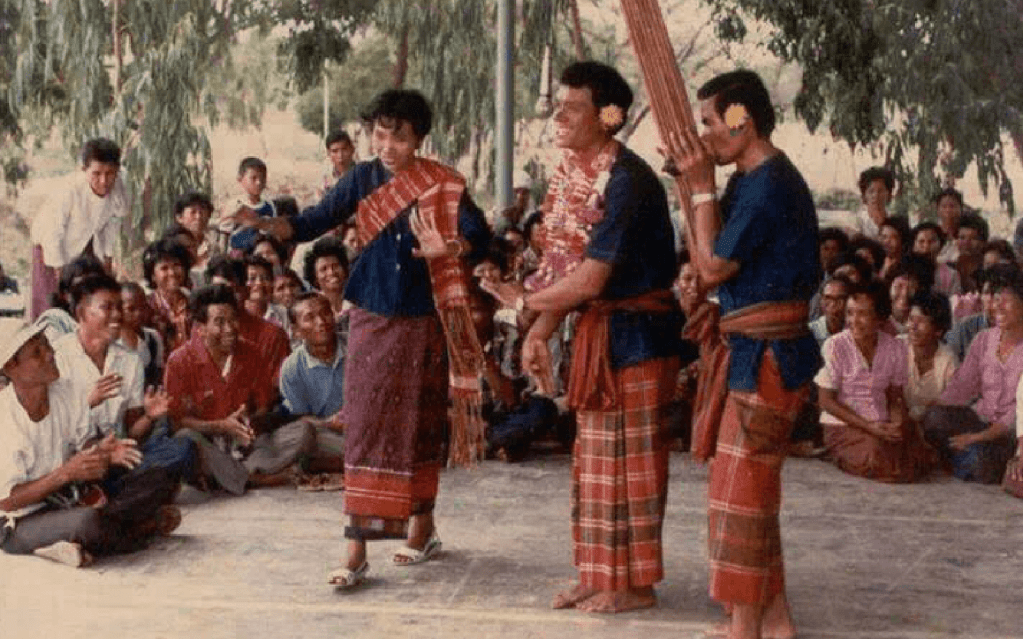
Traditionally, Mo Lam performances featured solo vocalists accompanied solely by the khene, delivering poetic narratives that reflected the daily lives, struggles, and aspirations of the Isan people. These performances were integral to local festivals and communal gatherings, serving both as entertainment and as a means of preserving oral histories.
However, the latter part of the 20th century brought significant transformations. The 1980s saw the emergence of “Lam Sing,” a modernised, fast-paced version of Mo Lam that incorporated electric instruments and flashy dance routines to captivate younger audiences. While this evolution injected new life into the genre, it also sparked debates about the dilution of traditional values and artistic integrity.
Modernisation: A Double-Edged Sword


The modernisation of Mo Lam has undeniably expanded its reach, introducing the genre to national and international audiences. Contemporary bands like the Paradise Bangkok Molam International Band have garnered global attention by blending traditional Mo Lam elements with modern musical styles, performing at international festivals and attracting diverse audiences.
This global recognition has led to economic opportunities, with increased production investments fostering job creation and boosting visitor numbers in the Isan region.
The Struggle for Preservation
Despite these advancements, purists argue that the essence of Mo Lam is at risk. The infusion of modern elements, while making the genre more accessible, may overshadow the traditional narratives and musical techniques that define its cultural significance. There is a growing concern that, in the pursuit of commercial success, the profound storytelling and moral teachings inherent in traditional Mo Lam are being sidelined.
Balancing Tradition and Innovation
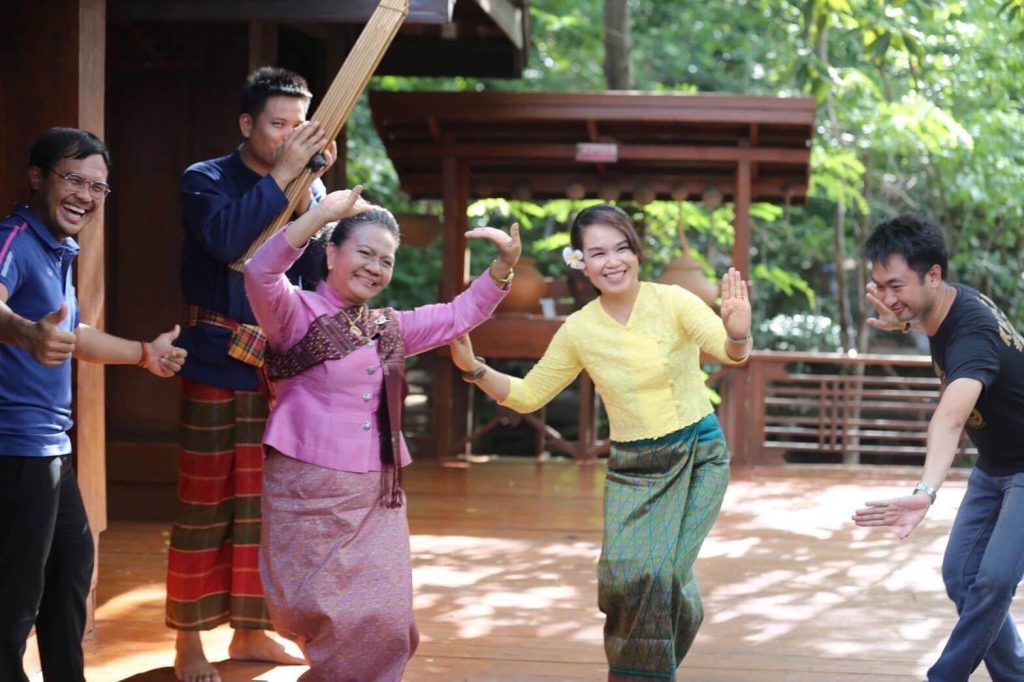
This cultural dialogue reflects a broader narrative within Thailand, where rapid modernisation often intersects with deep-seated traditions. The evolution of Mo Lam serves as a testament to the resilience of cultural expressions and the ongoing efforts to preserve them amidst changing societal landscapes.
Keeping Tradition Alive
The story of Mo Lam is emblematic of the broader challenges faced by traditional art forms worldwide. As globalisation and modernisation exert their influence, the preservation of cultural heritage becomes both more challenging and more crucial. The Isan community’s commitment to sustaining Mo Lam, while adapting to contemporary contexts, offers a compelling example of how tradition and innovation can coexist, enriching the cultural tapestry of a society.
Similar read:
- Sanook, Sabai, and Jai Dee: Key Concepts in Thai Cultural Identity
- The Legacy of Thai Woodcarving: From Palaces to Temples
- Handmade Heritage: Discovering Southern Thailand’s Traditional Crafts
Sources: Wikipedia, The Isaan Record, Nation Thailand