

Share This Article
Thailand, often called the “Land of Smiles,” is renowned for its warm hospitality, vibrant traditions, and unique cultural values. At the heart of this cultural richness lie three fundamental concepts: Sanook (fun and enjoyment), Sabai (comfort and ease), and Jai Dee (kindness and a good heart). These ideas not only shape everyday interactions in Thailand but also offer profound insights into the Thai way of life.
While these principles foster positive social dynamics and contribute to the renowned warmth of Thai culture, they also come with certain challenges and downsides that can affect both locals and visitors. By understanding both the positive and more challenging aspects of these concepts, visitors can appreciate the complexity of Thai society and navigate interactions more effectively.
1. Sanook: The Art of Fun and Enjoyment
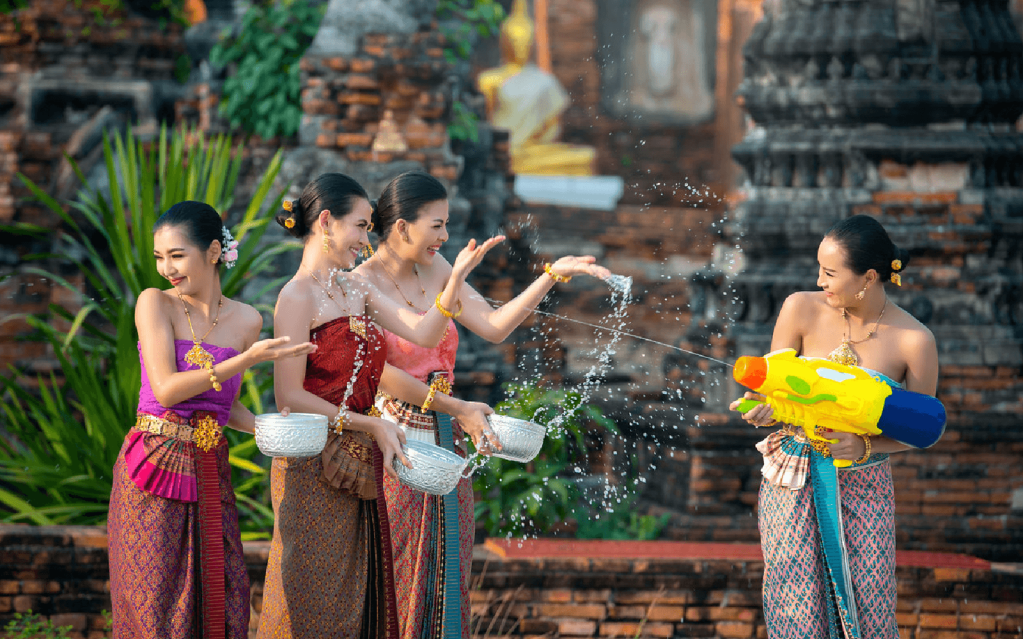

The concept of Sanook is deeply ingrained in Thai culture and can be loosely translated as “fun” or “enjoyment.” However, it goes far beyond mere entertainment. For Thais, Sanook is a philosophy that underscores the importance of finding joy in every activity, whether it’s work, leisure, or social gatherings.
From bustling street markets to festive celebrations, the spirit of Sanook encourages people to approach life with lightheartedness and creativity. Even in the workplace, fostering camaraderie and fun is seen as essential for productivity, teamwork, and a positive environment.
Sanook reflects the Thai belief that life should be enjoyed and that even mundane tasks can be made pleasurable with the right attitude.
🪙 The Other Side of the Coin:
While Sanook creates a joyful and friendly environment, it can sometimes conflict with efficiency and professionalism. In the workplace, prioritising fun over seriousness may lead to distractions or a lack of urgency when deadlines are looming. Some foreigners working in Thailand may notice a more relaxed attitude toward formal business meetings or tasks, which can result in misunderstandings or missed deadlines. Striking a balance between fun and focus can be a challenge.
2. Sabai: The Pursuit of Comfort and Ease


If Sanook is about fun, Sabai is about comfort and relaxation. This term encompasses a sense of physical and emotional well-being. Whether it’s expressed in the phrase “sabai sabai” (take it easy) or in the laid-back pace of life, Sabai reflects Thailand’s emphasis on balance and harmony.
The concept encourages people to avoid stress and approach life calmly. In Thailand, you’re likely to hear locals say, “Mai pen rai” (never mind, or it’s okay) as a way of promoting resilience and letting go of negative emotions. This attitude creates an environment where tranquillity is valued, even in the face of challenges.
Sabai is also evident in Thai hospitality. From spa traditions to the design of serene temples and tropical resorts, Thailand’s cultural emphasis on Sabai helps visitors feel at ease.
🪙 The Other Side of the Coin:
While Sabai promotes calm and patience, it can sometimes lead to a lack of urgency or accountability in professional and personal matters. The “Mai pen rai” (never mind) mindset, while helpful for stress relief, may also cause important issues to be overlooked or unresolved. In work environments, deadlines may be missed, and a casual approach to responsibility can frustrate those who are used to a more time-sensitive, results-driven culture. Visitors and expatriates working in Thailand may need to adjust their expectations when dealing with local timelines.
3. Jai Dee: The Good Heart
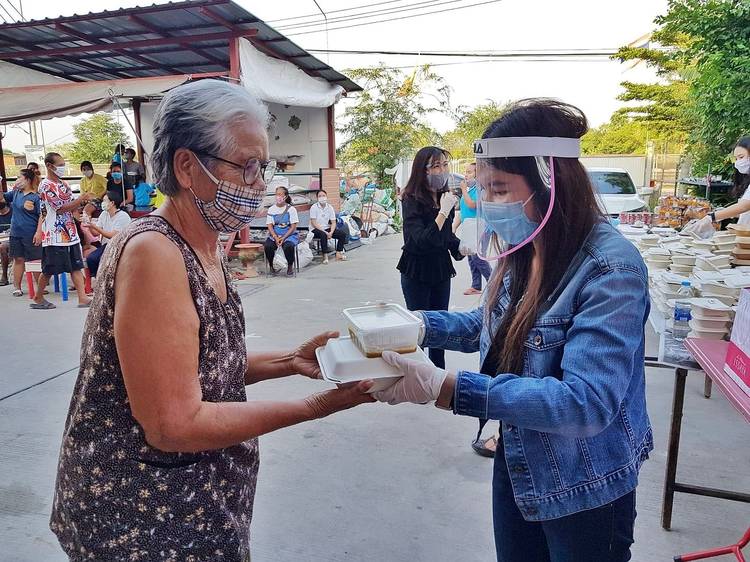
The phrase Jai Dee literally means “good heart.” It represents kindness, generosity, and compassion, qualities deeply respected in Thai culture. A person who is Jai Dee is someone who goes out of their way to help others, often with no expectation of reward.
This value is closely linked to Buddhist principles, which encourage selflessness and empathy. Thais often display Jai Dee through small acts of kindness, such as offering food to a stranger or helping someone in need.
In social settings, Jai Dee fosters a sense of community and mutual respect. It’s also one of the reasons why Thai people are known for their exceptional hospitality toward visitors and tourists.
🪙 The Other Side of the Coin:
While Jai Dee is one of Thailand’s most endearing qualities, it can sometimes be exploited. People with overly Jai Dee (kind-hearted) tendencies may be taken advantage of by those with selfish motives. For instance, people who are too giving or too accommodating may find themselves burdened with tasks for which they did not volunteer. This can happen in workplaces or social circles, where “good-hearted” people may be pressured into taking on more work or offering help beyond their means. Maintaining healthy boundaries is important for individuals with a strong sense of Jai Dee.
How These Concepts Shape Thai Identity
Together, Sanook, Sabai, and Jai Dee form the cornerstone of Thai cultural identity. They create a society that values positivity, compassion, and balance. Understanding these principles can enhance travellers’ experiences in Thailand, making interactions more meaningful and enjoyable.
While these concepts contribute to Thailand’s welcoming atmosphere, they also come with certain challenges, especially in the professional landscape, such as missed deadlines, a casual approach to professional matters, and the potential for overburdening those with too much kindness.
Understanding both the strengths and limitations of these principles can greatly enhance one’s experience in Thailand. By appreciating Sanook, embracing Sabai, and embodying Jai Dee—while also being mindful of their flip sides—visitors can form deeper, more authentic connections with Thailand’s culture and people.
Similar read:
- Unseen Influences: How Hinduism Shaped Thai Cultural Beliefs
- The Role of Buddhism in Modern Thai Society
- Thai Language Essentials: 10 Phrases for Travelers to Know
Sources:
[1] Mulder, Niels. Thai Images: The Culture of the Public World. Silkworm Books, 2000.
[2] Cohen, Erik. “Tourism and Thai Identity: Expanding Cultural Boundaries.” Journal of Tourism Research, vol. 28, no. 3, 2003.
[3] Suwannathat-Pian, Kobkua. Thai Politics and Culture: From Tradition to Modernity. Routledge, 2014.
1 Comment