

Share This Article
Woven into the very fabric of Thailand’s history, Thai silk is more than just a luxurious material—it’s a story of craftsmanship, culture, and connectivity. From the lush landscapes of Thailand to the bustling markets of the ancient Silk Road, Thai silk has journeyed through time, embodying the spirit of its people and the essence of its heritage.
Join us as we unravel the vibrant history and impactful legacy of Thai silk.
1. Ancient Origins

Tracing Thai silk back to its ancient origins reveals a deep-rooted history in the cultural fabric of Thailand, where silk cultivation and weaving have flourished for millennia. The discovery of silk fibers in the archaeological sites of Ban Chiang underscores the significance of silk in early Thai societies, dating back about 3,000 years ago. This evidence highlights not only the antiquity of silk production in the region but also its role in the development of early trade and craftsmanship. The enduring legacy of Thai silk showcases the timeless artistry and skill of Thai weavers, whose techniques have been honed and preserved across generations.
2. Silk Road Influence
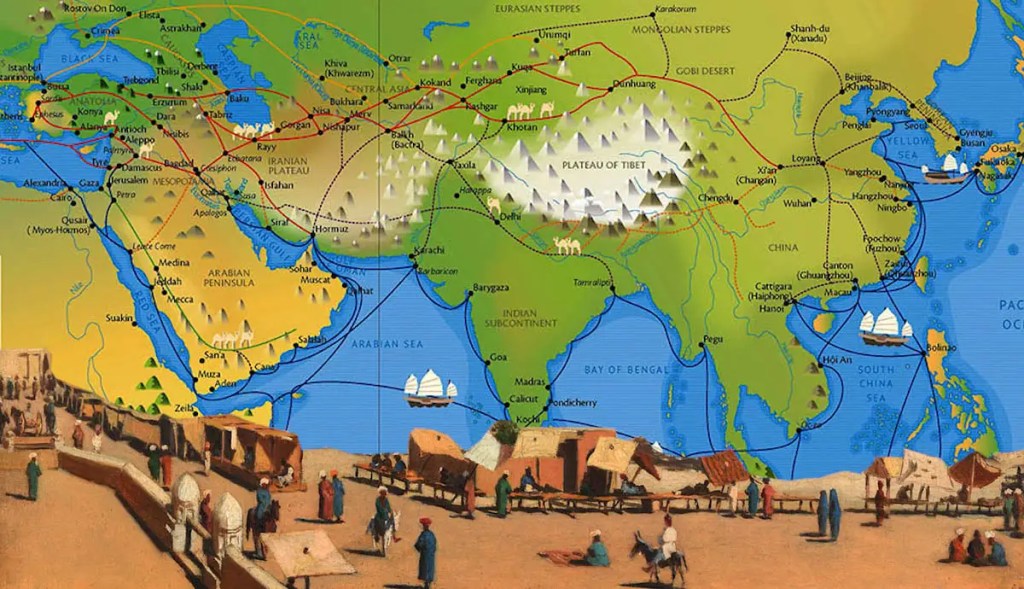

The influence of the Silk Road on Thai silk culture extends far beyond mere trade; it facilitated a cultural exchange that enriched civilizations on both ends. As Thai silk traversed these ancient trade routes, it not only introduced the world to its exceptional quality and distinctive patterns but also absorbed influences, techniques, and motifs from various cultures along the way. This exchange led to a vibrant evolution in silk weaving, making Thai silk a coveted commodity in markets from Rome to China. Its journey along the Silk Road symbolizes a bridge between cultures, showcasing the profound impact of trade on the development and appreciation of textile arts across the globe.
3. Jim Thompson’s Legacy
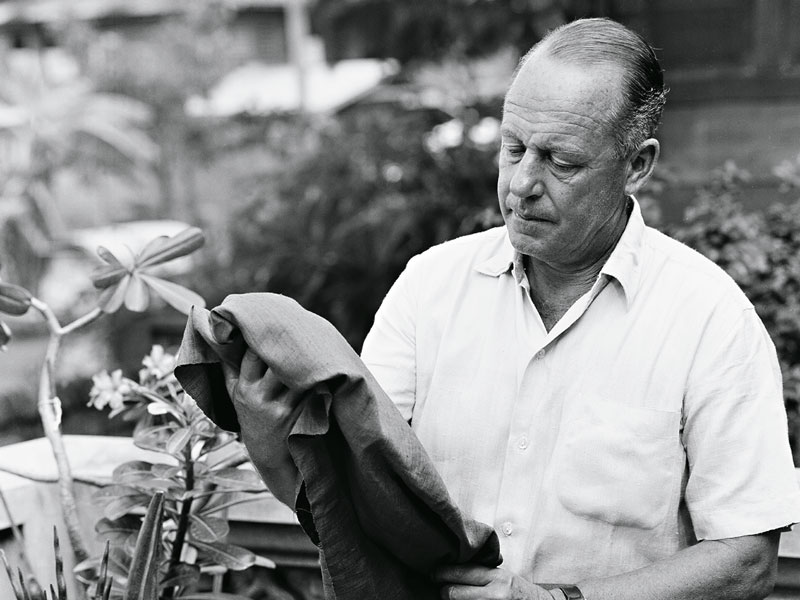
James H.W. Thompson, an American architect, arrived in Thailand after World War II and was immediately captivated by the country’s culture, especially the intricate art of silk weaving. Recognizing the potential of Thai silk for global recognition, Thompson combined his passion for Thai culture with his business acumen to nurture the dying art of silk weaving. In 1948, he founded the Thai Silk Company, which transformed Thai silk into a global luxury, thus boosting the economy and introducing its beauty to the world. Despite his mysterious disappearance in 1967, James Thompson, also known as the “King of Thai Silk,” left behind a lasting legacy that has made him synonymous with the enduring charm of Thai silk.
4. Cultural Significance

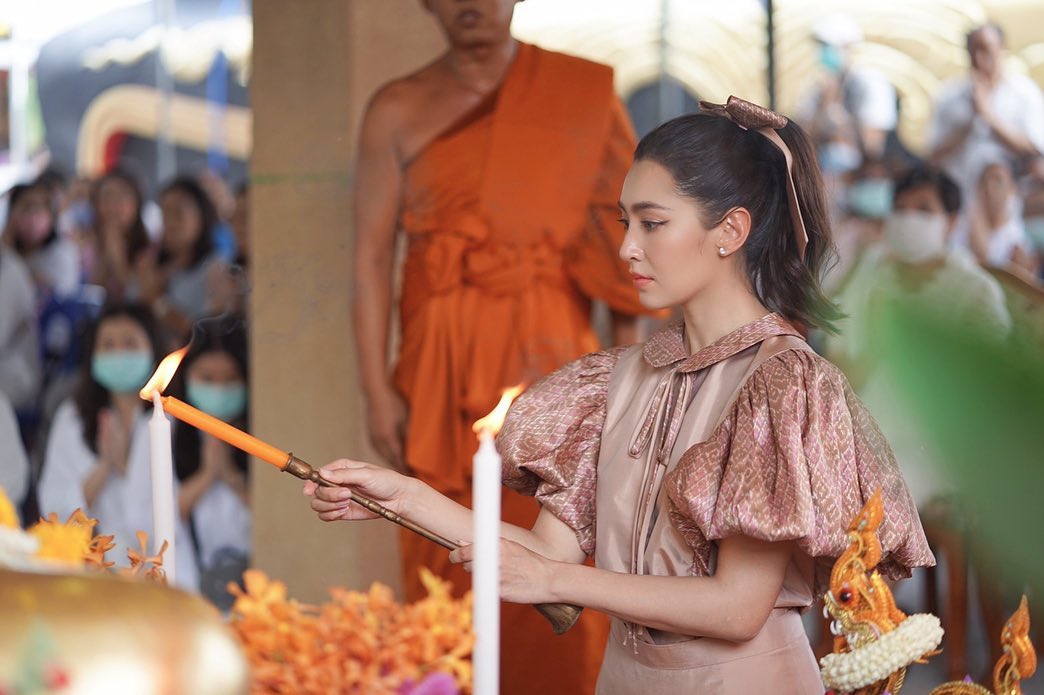
Thai silk’s cultural significance extends into every corner of Thai society, embodying the nation’s heritage and artistic prowess. This revered material is central to traditional Thai clothing, such as the elegant ‘Pha Sin’ worn by women, and also plays a pivotal role in royal and religious ceremonies, symbolizing respect and honor. In contemporary fashion, Thai silk bridges the old with the new. It inspires designers globally to incorporate its vibrant patterns and luxurious texture into modern designs. Through each thread and weave, Thai silk narrates the stories of Thailand’s past, present, and future, making it an enduring emblem of the country’s cultural richness and diversity.
5. Economic Impact

The economic impact of the Thai silk industry extends far beyond its contribution to the country’s GDP; it is a vital source of income for countless rural families, often passed down through generations as a treasured skill. By empowering these communities, Thai silk production fosters economic stability and promotes sustainable development. Moreover, as a leading silk exporter, Thailand has carved a niche for itself in the international market, enhancing its economic profile and establishing Thai silk as a symbol of quality and luxury worldwide. This industry not only supports the agricultural and manufacturing sectors but also boosts tourism and fashion, further cementing its role as a cornerstone of Thailand’s economic and cultural landscape.
6. Conservation Efforts
Conservation efforts in the Thai silk industry have become increasingly important as the demand for this luxurious material grows globally. These initiatives focus on protecting the indigenous species of silkworms unique to Thailand, along with the mulberry trees they feed on, which are vital for producing the highest quality silk. By supporting sustainable farming practices, providing training to silk farmers, and promoting eco-friendly dyeing techniques, these conservation efforts help maintain the ecological balance necessary for silk production. They also ensure that the age-old traditions of silk weaving continue to thrive, passing on valuable skills to future generations while preserving the environment.
7. Innovations and Global Recognition
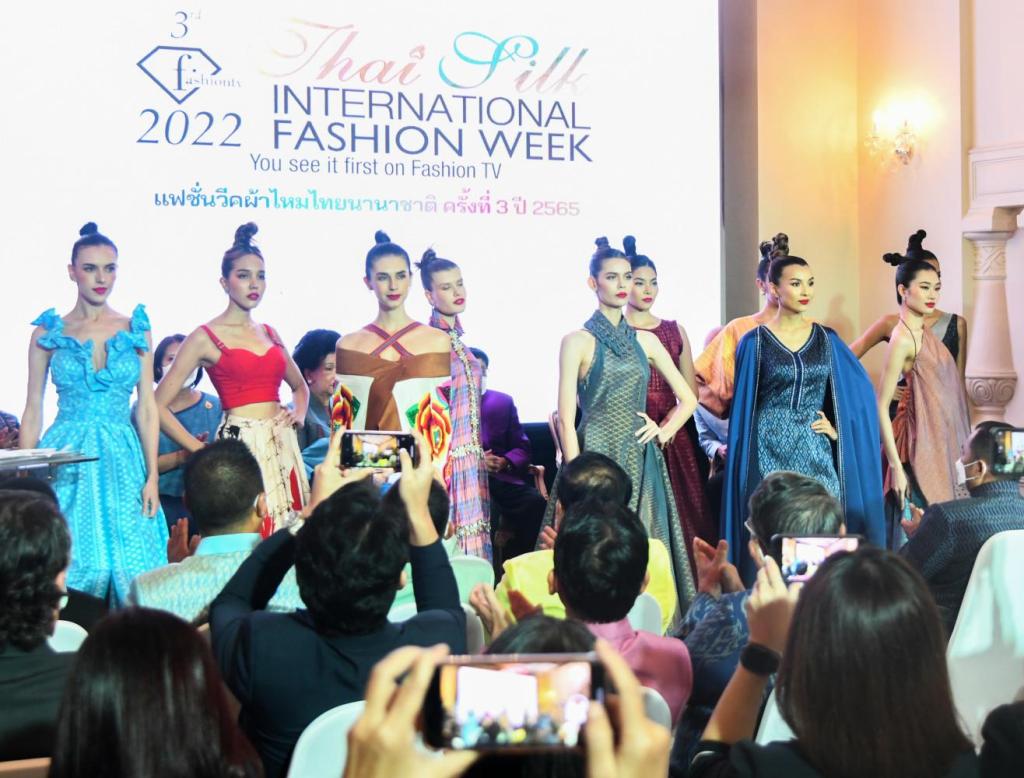

In the realm of fashion and design, Thai silk is constantly breaking new ground, integrating state-of-the-art dyeing processes, digital weaving technologies, and sustainable practices that cater to the eco-conscious consumer. Its versatility has made it a favorite among high-profile designers, featuring in everything from haute couture runways in Paris and Milan to bespoke interior decorations. This fusion of age-old traditions with contemporary trends not only showcases Thai silk’s adaptability but also secures its status as a global ambassador of Thailand’s rich cultural heritage and innovative spirit.
A Legacy Woven in Silk
Thai silk’s history embodies the resilience, creativity, and enduring spirit of the Thai people. Its journey, from ancient trade routes to modern fashion runways, has woven Thai silk into the fabric of global culture. This story goes beyond a luxurious textile; it’s a testament to the skilled hands that craft it, the communities it sustains, and the legacy it carries forward.
Sources: Wikipedia, Thai PBS World, Bangkok Post, World History