

Share This Article
If you’ve ever walked through the streets of Thailand, you’ve likely noticed small, shrine-like structures outside homes, businesses, and even large buildings. These are san phra phum, or spirit houses. While they may seem like just decorative elements at first glance, spirit houses hold deep meaning and play a crucial role in Thai culture and spirituality.
Let’s explore why these fascinating structures are more than meets the eye.
What Are Spirit Houses?
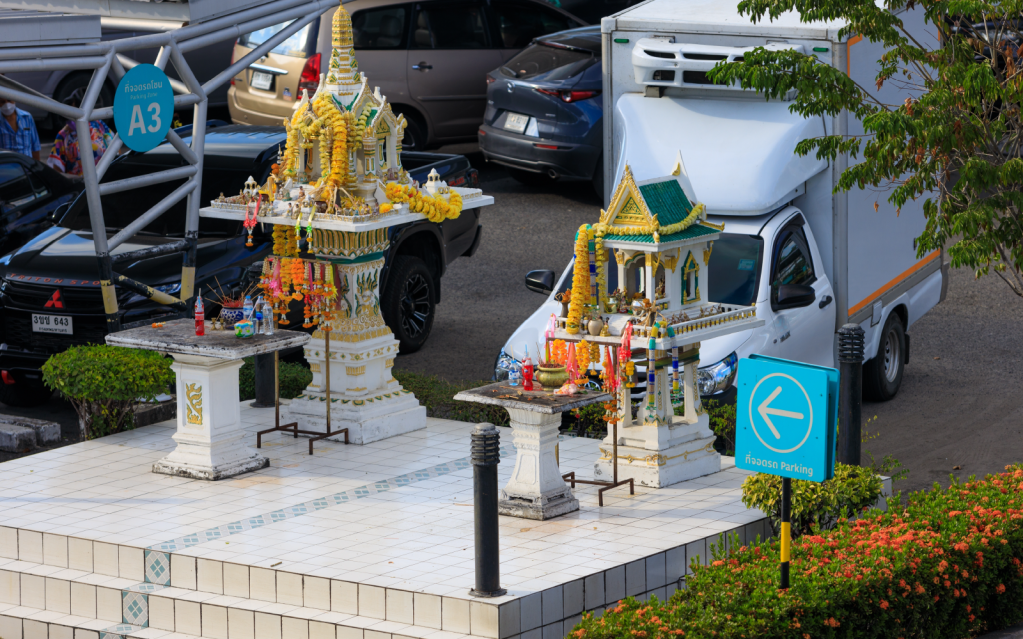
A spirit house is a small shrine placed outside homes, businesses, and important locations in Thailand to honour and appease spirits. These structures are designed to give shelter to chao thi or guardian spirits, who are believed to reside in specific places and influence the lives of people in that area. If properly cared for, these spirits protect and bring good fortune to the inhabitants. It’s a beautiful blend of Thailand’s deep-rooted belief in animism, Brahmanism, and its Buddhist traditions.
Why Do People Build Spirit Houses?

The primary reason for building a spirit house is to ensure the spirits are content and won’t interfere with human affairs. Thais believe that if the spirits are unhappy or neglected, they may cause misfortune, illness, or accidents. Offering the spirits a designated space encourages them to bless the area with peace, prosperity, and protection. From families to businesses, everyone in Thailand respects this tradition, seeing it as a way to maintain harmony between the physical and spiritual realms.
Design and Architecture
Spirit houses vary in size and intricacy, but their design is usually modelled after Thai temples. Made from wood, stone, or even concrete, they are often elevated on pillars to give the spirits a commanding view of the area. Some spirit houses are elaborately decorated with gold, colourful paint, and mini figurines representing humans, animals, and even furniture for the spirits’ comfort. Every detail, from the design to the placement of the house, is carefully chosen to suit the spirits’ preferences.
Daily Rituals and Offerings
The ritual of giving offerings is a crucial part of maintaining the spirit house. Offerings are typically placed in the morning and can include fruits, flowers, incense, and even food and drink. These gifts are meant to keep the spirits happy and fulfilled, ensuring they remain peaceful and benevolent. Interestingly, you’ll often see figurines of animals, dancers, and even cars around spirit houses, as it is believed the spirits enjoy being entertained and pampered.
Spirit Houses in Modern Thai Society
Despite the modernisation of Thailand, spirit houses remain prevalent. Whether in front of a Bangkok skyscraper or a rural home, these shrines symbolise a connection between the past and present. In fact, many businesses believe that a well-maintained spirit house brings in customers and protects the company from financial trouble. The tradition has also adapted to the times, with modern structure designs and offerings, including Coca-Cola or packaged snacks instead of the more traditional fruits or desserts.
Respecting Spirit Houses as a Visitor
If you’re visiting Thailand, it’s important to understand the respect given to spirit houses. While they are beautiful and intriguing to photograph, always be mindful of your behaviour around them. Never touch or move offerings, and avoid standing too close to the house itself. Locals believe that disrespecting a spirit house could lead to upsetting the spirits, resulting in bad luck. Simply observe from a distance and appreciate the cultural significance they hold.
The Symbolism of Spirit Houses
Spirit houses aren’t just about appeasing spirits; they also symbolise respect for the balance of nature and the unseen forces that play a role in daily life. Thais believe that spirits are a part of the natural world, and building these houses is a way to live in harmony with them. This belief extends beyond religion, touching on a broader philosophy of coexisting peacefully with the environment and acknowledging the unseen forces that impact human life.
Conclusion
The tradition of spirit houses in Thailand is a remarkable blend of spirituality, culture, and respect for the unseen. As small as they may seem, they are imbued with centuries of belief and represent a deep connection between the spiritual and physical world. Understanding spirit houses not only enhances your appreciation for Thai culture but also offers a glimpse into the broader spiritual traditions that continue to shape everyday life in Thailand. Next time you visit, take a moment to admire these shrines – they’re more than just structures; they’re a testament to Thailand’s enduring reverence for the spiritual world.
Similar read:
- Unlocking the Secrets of Thai Amulets: 5 Symbols and Their Meanings
- Sacred Symbols: Exploring the Meaning Behind Thai Temple Murals
- Folklore and Mythology: 7 Stories That Shaped Thai Culture
Sources: Thaiger, Living Big Travel, Thailand Now
1 Comment