

Share This Article
Thailand is renowned for its majestic temples, but there’s so much more to discover in its architectural heritage. From ancient influences to contemporary innovations, Thai architecture offers a diverse and captivating journey through time.
Join us as we explore the unique styles and elements that make up the architectural landscape of this vibrant country.
The Influence of Nature
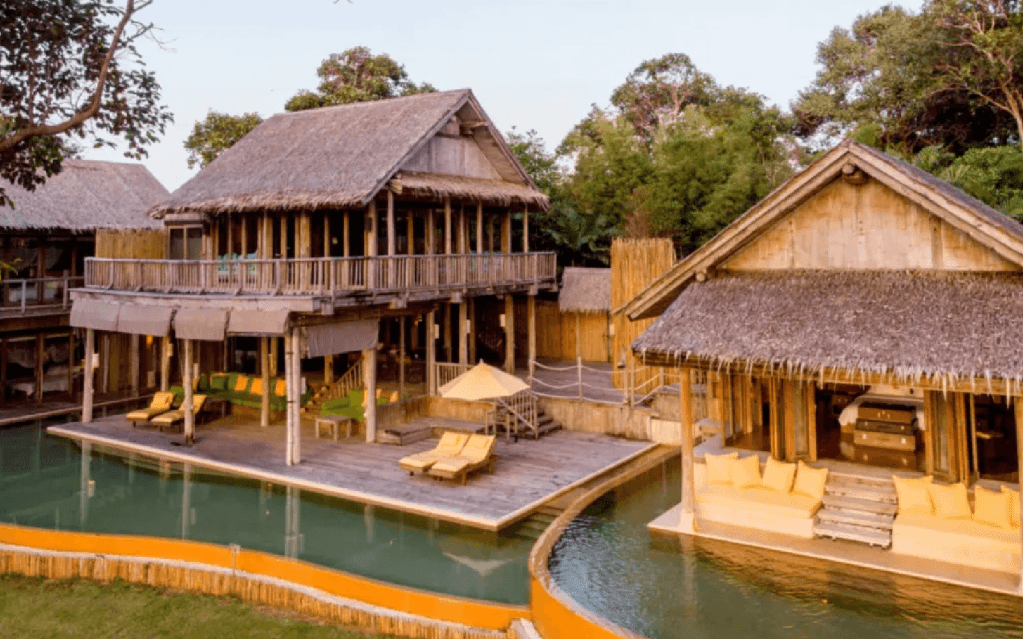

Thai architecture has always had a strong connection with nature. The use of natural materials like teak, bamboo, and stone, along with designs that facilitate ventilation and natural lighting, reflects an innate respect for the environment. This eco-conscious approach is evident in both traditional and modern buildings, from rustic rural homes to cutting-edge eco-resorts. This foundation in nature seamlessly integrates with spiritual beliefs, particularly Theravada Buddhism, which also plays a crucial role in shaping Thai architecture.
See Also:
The Influence of Theravada Buddhism

While temples are the most visible manifestation of Thai architecture, the influence of Theravada Buddhism extends far beyond these religious structures. The principles of harmony, balance, and spiritual symbolism are often integrated into residential and public buildings. For instance, the layout of traditional Thai homes may reflect Buddhist cosmology, with carefully aligned spaces designed to promote spiritual well-being. These principles of harmony and balance are also reflected in the design of traditional Thai wooden houses.
Traditional Thai Wooden Houses
Traditional Thai wooden houses, known as “Ruean Thai,” are a quintessential part of the country’s architectural identity. Built on stilts to protect against floods and improve ventilation, these houses feature steep, gabled roofs and intricate wooden carvings. The use of natural materials and open-air designs reflect a deep respect for nature and the tropical climate, creating comfortable living spaces that blend seamlessly with their surroundings. This integration of nature and ways of living extends into regional styles like Lanna architecture.
Lanna Architecture
Originating from the Lanna Kingdom in Northern Thailand, Lanna architecture is characterised by elaborate wooden structures, multi-tiered roofs, and ornate decorations. The use of teak wood and unique elements like the “Cho Fa” (skyward-facing finials) give Lanna buildings a distinct, elegant appearance. This style is evident in both religious and secular buildings, adding a regional flavour to Thai architecture.
Ayutthaya and Sukhothai Influence
The Ayutthaya and Sukhothai periods also left a lasting legacy on Thai architecture. The former capital cities were known for their grand palaces and towering stupas, which were built from brick and stucco. The influence of these eras is evident in the monumental chedis and prangs that grace many historical sites, showcasing a blend of Khmer, Sri Lankan, and native Thai styles.
The Sino-Portuguese Style of Phuket
Thai architectural diversity continued to evolve, incorporating influences from international trade and multiculturalism. In the coastal city of Phuket, you’ll find a unique architectural style known as Sino-Portuguese. This blend of Chinese and European design elements emerged during the 19th century when European traders and Chinese immigrants settled in the area. The narrow, colourfully decorated shophouses feature arched windows, ornate facades, and internal courtyards, offering a glimpse into Thailand’s multicultural past. Similar styles can also be seen in other regions, such as Songkhla and Chanthaburi.
Modern Thai Architecture
Modern Thai architecture is an exciting fusion of traditional aesthetics and contemporary design. Architects today often incorporate traditional elements like sloping roofs and open spaces into modern structures, creating a seamless blend of old and new. Notable examples include Bangkok’s MahaNakhon building, which combines futuristic design with a pixelated facade, symbolising Thailand’s digital age.
Another iconic structure is The Elephant Building, also known as Chang Building, famous for its unique shape resembling an elephant, which represents both Thai cultural symbolism and architectural creativity.
Public Spaces and Urban Design
Beyond individual buildings, the design of public spaces and urban areas also plays a crucial role in Thai architecture. Traditional markets, public squares, and parks are integral parts of community life, offering spaces for social interaction and cultural activities. Modern urban planning in cities like Bangkok aims to balance the needs of a growing population with green spaces and public amenities, striving to create sustainable and livable environments.
More like this:
Exploring Thailand’s Unique Architectural Tapestry
Thai architecture is a captivating blend of tradition, culture, and innovation that extends far beyond its famous temples. From the intricate wooden houses of the past to the striking modern structures like MahaNakhon and The Elephant Building, Thailand’s architectural landscape offers a rich tapestry of styles and influences. This diverse heritage not only reflects the country’s history and cultural evolution but also its ability to embrace modernity while honouring tradition.
Similar read:
- Modern Marvels: Exploring Contemporary Architecture in Thailand (Bangkok edition)
- Sustainable Recreational Spaces Around Bangkok
- The Influence of Buddhism: 10 Monasteries That Inspire
Sources: Phanganist, Holidify, Facts and Details, Wikipedia
1 Comment