

Share This Article
Elephants have long been emblematic of Thailand’s rich cultural heritage, revered for their strength and intelligence. In recent years, the rise of elephant sanctuaries has attracted tourists seeking ethical wildlife encounters. However, beneath the veneer of these sanctuaries lies a complex ethical dilemma: are they truly havens for rescued elephants, or do they perpetuate a cycle of exploitation under the guise of conservation?
The Dark Reality of Elephant Tourism


Traditional elephant tourism, including riding and performances, often subjects these majestic creatures to severe mistreatment. The “phajaan” process, or “crushing,” involves breaking an elephant’s spirit through physical and psychological abuse to make them submissive to human commands. This brutal practice leaves lasting trauma, raising serious ethical concerns about the welfare of elephants in such settings.
The Emergence of Ethical Sanctuaries


In response to growing awareness, several sanctuaries have adopted more humane approaches, emphasizing observation over interaction. Facilities like Elephant Nature Park in Chiang Mai allow elephants to roam freely, prohibiting riding and performances. Visitors can observe elephants in a setting that prioritizes their well-being, promoting a more ethical form of wildlife tourism.
The Problem of ‘Sham’ Sanctuaries
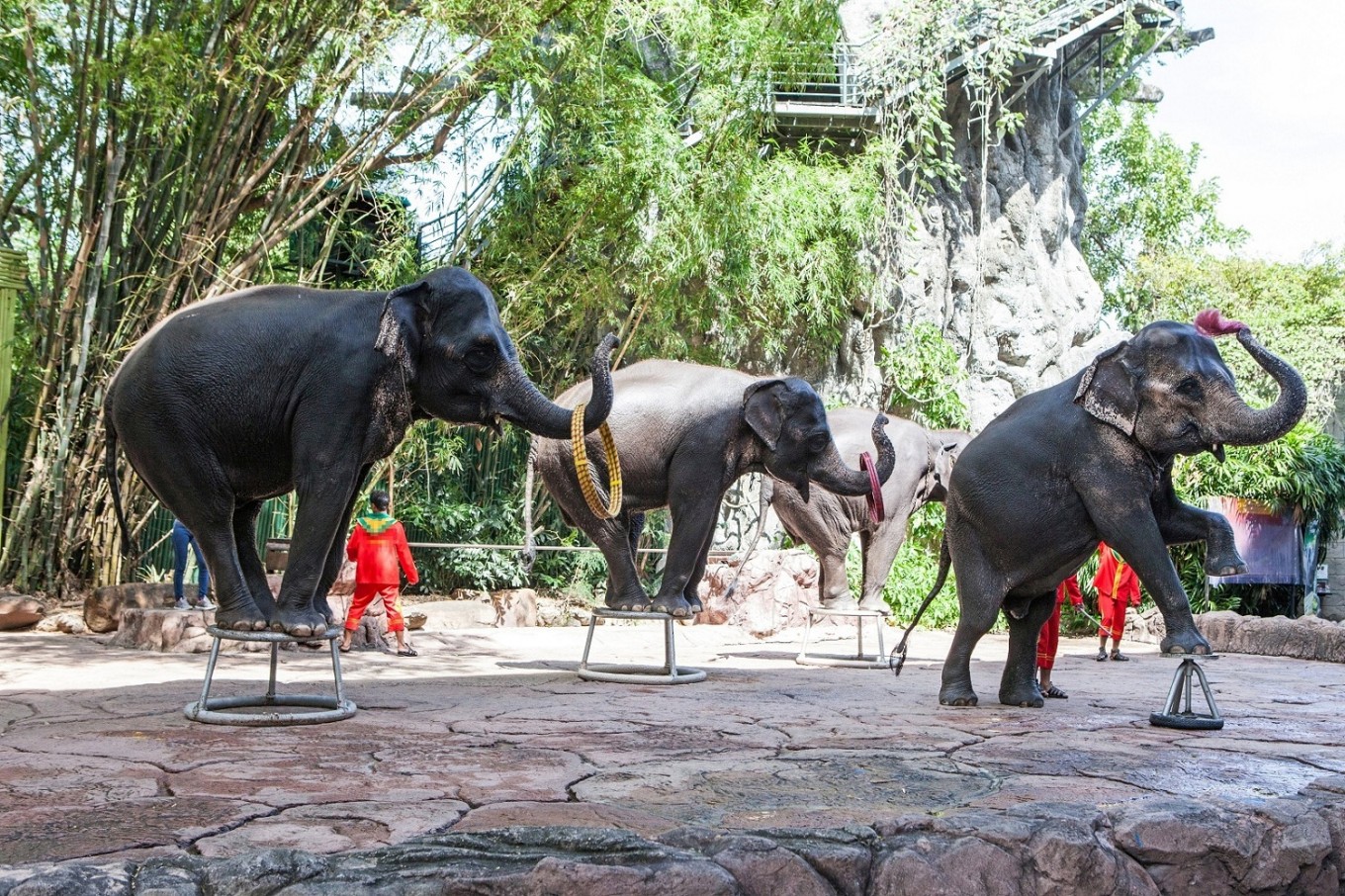
Despite the positive shift, not all sanctuaries adhere to ethical standards. Some establishments market themselves as sanctuaries while continuing exploitative practices behind the scenes. Reports have surfaced of elephants being chained, forced into unnatural interactions, or subjected to harsh training methods, all in the name of profit. Such deceptive practices mislead well-intentioned tourists and perpetuate the cycle of abuse.
Recent Tragedies Highlight Ongoing Risks

The dangers associated with close human-elephant interactions were tragically underscored by a recent incident in January 2025, where a 22-year-old Spanish tourist was killed by an elephant at Koh Yao Elephant Care in Thailand. This incident serves as a stark reminder of the unpredictable nature of wild animals and the potential consequences of unnatural interactions.
The Role of Tourists in Promoting Ethical Practices
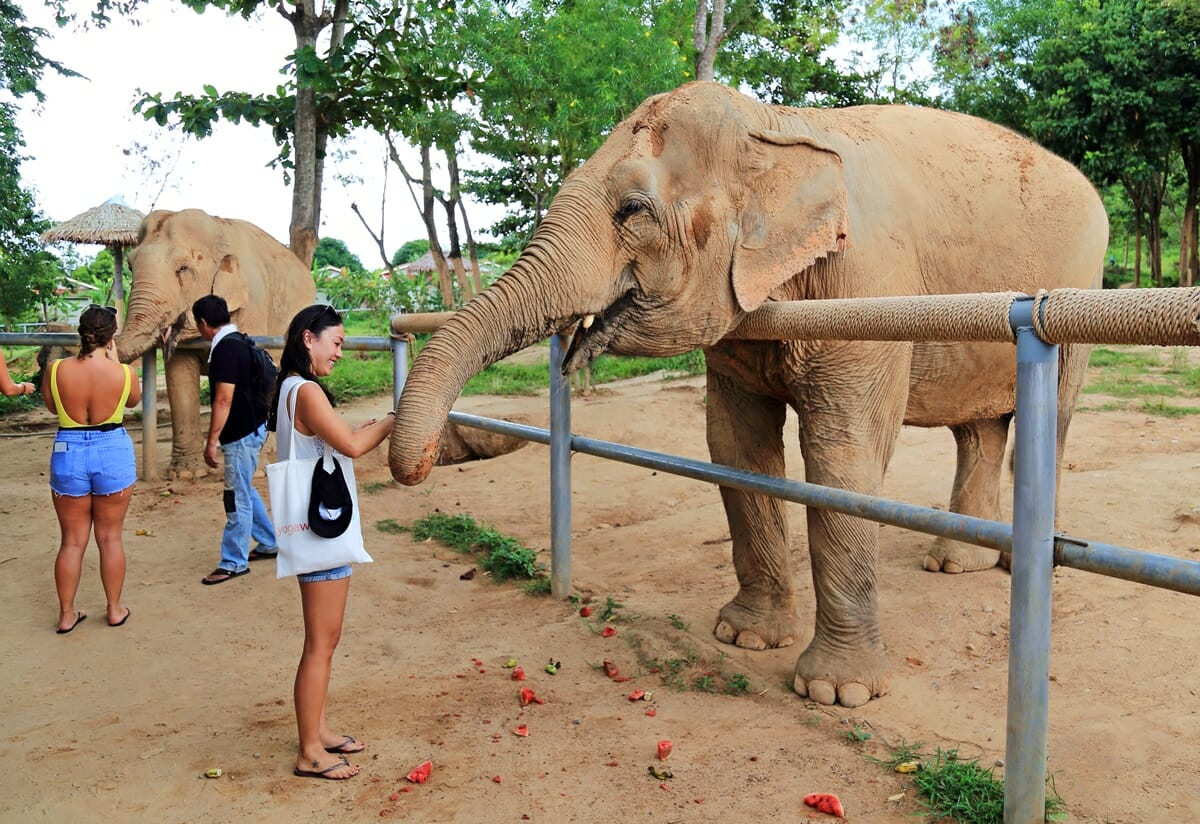
Tourists play a pivotal role in shaping the future of elephant tourism. By choosing to support genuine sanctuaries that prioritize the welfare of elephants, visitors can drive demand for ethical practices. Key indicators of ethical sanctuaries include:
– No Riding Policies: Ethical sanctuaries prohibit elephant riding, recognizing the physical strain it imposes on the animals.
– Limited Physical Interaction: Minimizing direct contact reduces stress on elephants and allows them to engage in natural behaviors.
– Transparent Operations: Reputable sanctuaries are open about their practices, funding, and the origins of their elephants.
Advocating for Change

Advocacy groups continue to push for stricter regulations and greater transparency within the industry. Organisations like World Animal Protection have documented the harsh realities of elephant exploitation in tourism, urging both tourists and operators to adopt more humane practices.
Conclusion
The dichotomy between ethical tourism and exploitation in Thailand’s elephant sanctuaries underscores the need for vigilance and informed choices. While genuine sanctuaries offer a refuge for elephants and an opportunity for education and conservation, others exploit the guise of ethical tourism for profit. As travellers, making conscientious decisions can contribute to the well-being of these magnificent creatures and support a more humane and sustainable form of wildlife tourism.
Similar read:
- Responsible Tourism: 8 Ethical Elephant Sanctuaries to Visit in Thailand
- Thailand’s Coral Reef Restoration Efforts: A Model for Marine Conservation
- Wildlife Conservation in Thailand: 8 Projects Making a Difference
Sources: Asia Highlights, New York Post, World Animal Protection, Baan Suay Bantai, PETA