

Share This Article
Thailand’s cultural heritage shines most brilliantly through its traditional dance forms. Every movement, costume, and performance is steeped in centuries of history, spirituality, and storytelling.
For those captivated by the charm of Thai culture or aspiring dancers eager to expand their perspectives, here’s a listicle that elegantly weaves through the grace and elegance of Thailand’s most celebrated traditional dances.
1. Khon – The Epic Ramayana Comes to Life
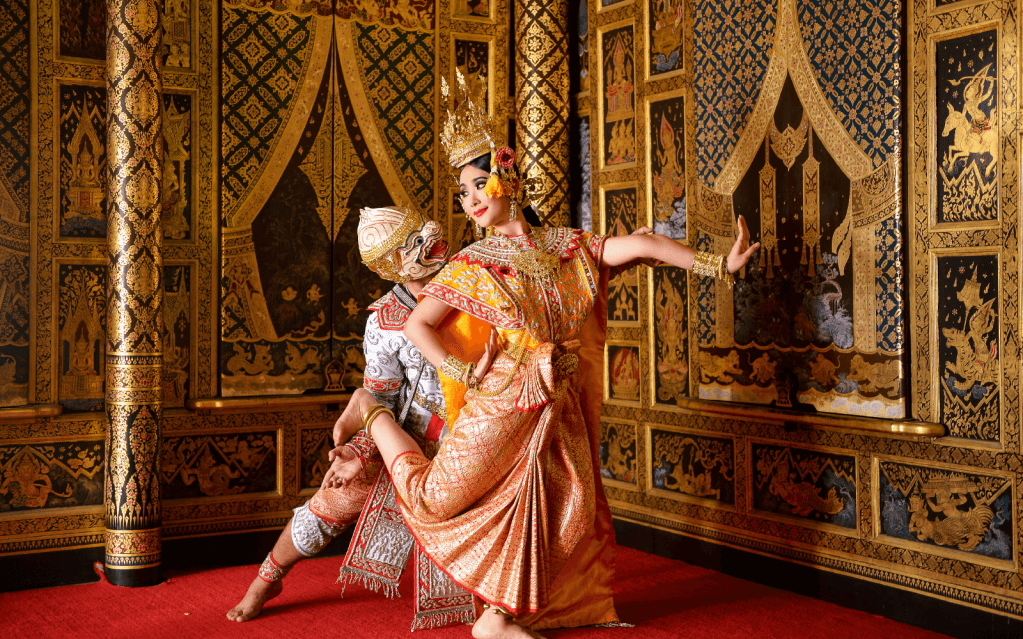
Khon is not just a dance; it’s a grand theatrical experience. This masked performance, steeped in Ramayana epic tales, features elaborate costumes, intricate masks, and a blend of dance, music, and martial arts. The expressiveness behind the masks and the eloquent gestures tell tales of gods, demons, and heroes, offering a glimpse into Thai mythology and royal entertainment.
2. Lakhon Nai – Elegance and Grace

Lakhon Nai, exclusive to the royal court’s inner circles, is a dance form characterized by its subtlety and elegance. Performed by female dancers, it narrates stories from the Ramakien (Thai Ramayana) and Jataka tales through refined movements and gentle gestures. Lakhon Nai is a testament to the grace and finesse of Thai cultural heritage, showcasing the sophisticated aesthetic sensibilities of the Thai court.
3. Fawn Thai – The Folk Dance


Fawn Thai represents the vibrant tapestry of folk dances in the Northern part of Thailand. With variations like Fawn Leb (Fingernail Dance), Fawn Tian (Candle Dance), and more, these dances are celebrated during festivals and communal gatherings. The movements are lively, and the costumes are colorful, reflecting the joy and spirit of Thai communities. Fawn Thai connects the present with the past, celebrating the seasonal cycles and life’s simple pleasures.
4. Manora Dance – The Enchanting Performance
The Manora dance is a captivating narrative performance rooted in southern Thai folklore. It tells the story of a mythical Kinnari (half-woman, half-bird creature), symbolizing purity, beauty, and good fortune. The intricate costumes and fluid, bird-like movements of the dancers embody the mystical connection between humans and the natural world, inviting viewers into a realm of imagination and enchantment.
5. Rumvong – The Circle of Connection
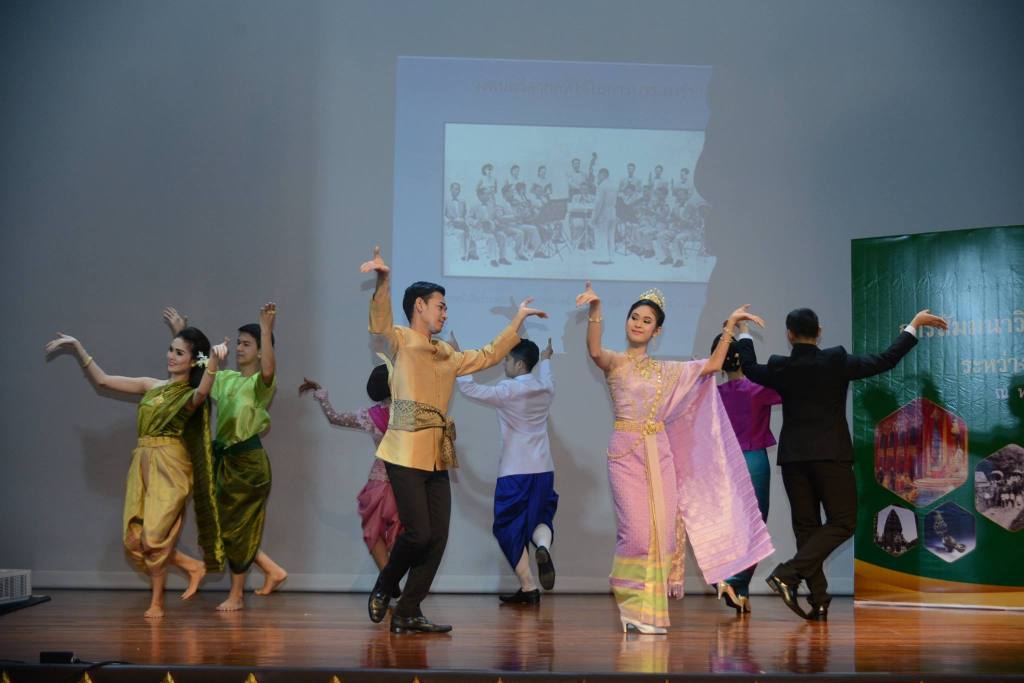

Rumvong is the dance of the people, inviting everyone to join in a circle of unity and celebration. Characterized by its simplicity and communal spirit, this dance is often seen at festivals, weddings, and village gatherings. The steps are easy to follow, allowing people of all ages to partake in the joyous expression of togetherness and cultural pride.
6. Likay – The Poetic Performance Art

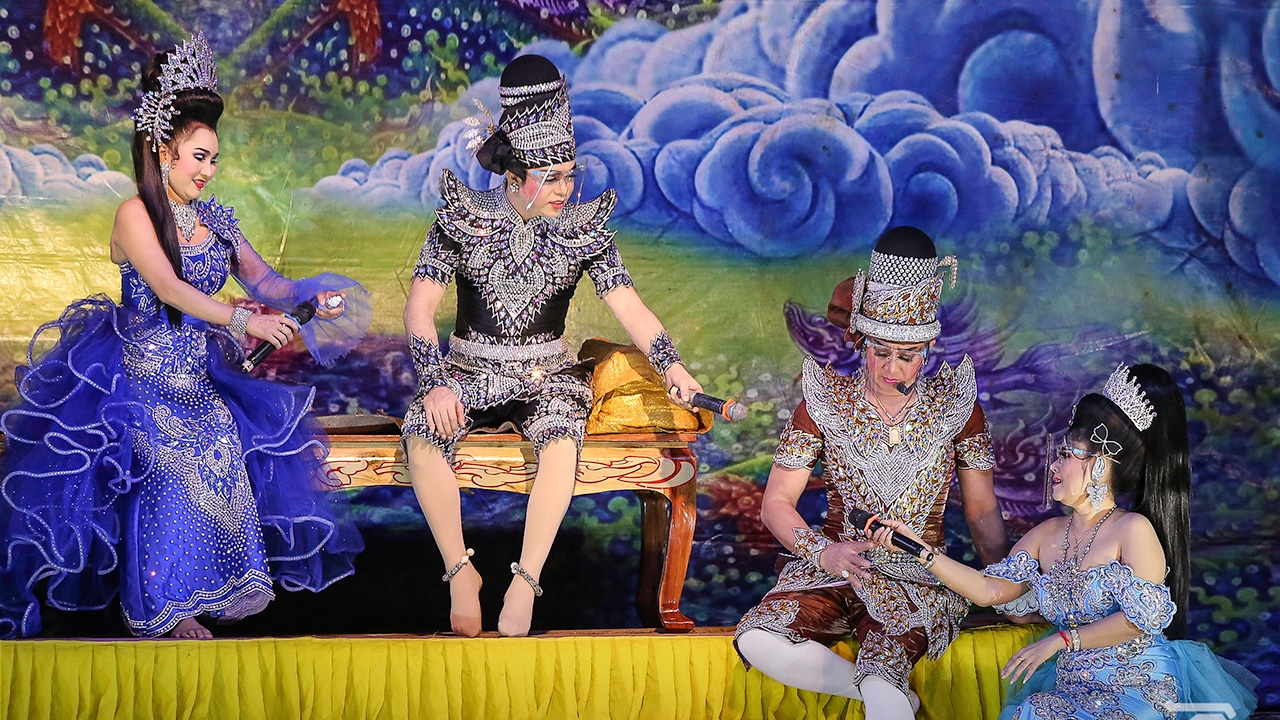
Likay is a unique and intricate form of Thai traditional performance that combines elements of theatre, music, and dance. This art form is distinguished by its use of elaborate face painting, expressive body movements, and a narrative style that draws heavily on Thai folklore and epic tales. Performers, often in vibrant and detailed costumes, bring to life stories of love, morality, and the supernatural, engaging the audience with a mix of spoken dialogue, singing, and dance.
Discover the Elegance of Thai Tradition
Thai traditional dances are not merely performances; they are the soulful expressions of a nation’s history, beliefs, and aspirations. Each dance form invites us to explore deeper layers of Thai culture, encouraging us to appreciate the beauty and complexity of its heritage. Whether you’re an aspiring dancer, a cultural enthusiast, or simply a curious soul, delving into the world of Thai traditional dances is a journey of discovery, grace, and endless fascination.
Sources: Thailand Insider, Wikipedia, Traditional Bodywork, Phoenix Voyages