

Share This Article
The devastating floods sweeping across Thailand in 2024 offer a stark reminder of the growing threats posed by climate change. With relentless rains battering the northern and northeastern provinces, the environmental toll has been immense—affecting people, agriculture, and fragile ecosystems. As these floods deepen Thailand’s climate crisis, they underscore the urgent need for action to safeguard the nation’s future.
A Crisis Unfolding
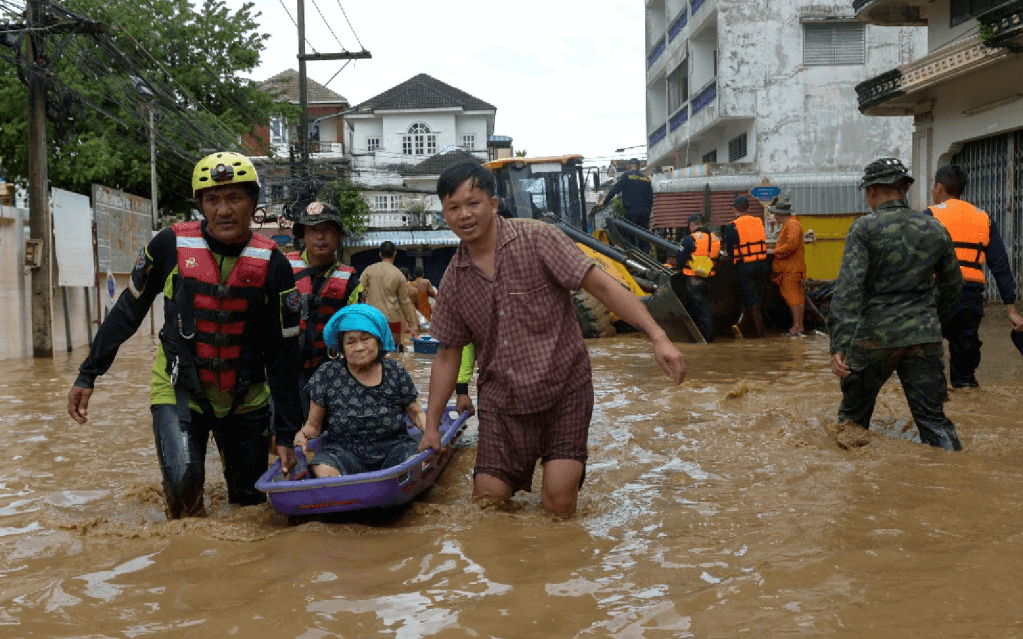
Since August 2024, northern Thailand has been under severe flooding, impacting more than 30,000 families across 12 provinces. Triggered by the remnants of Typhoon Yagi and fueled by the ongoing monsoon season, the deluge has left a trail of destruction. In Chiang Rai, the overflowing Sai River has submerged thousands of homes, forcing mass evacuations along the Mekong River. The death toll has been mounting, with widespread property damage making recovery daunting.
The Thai Meteorological Department has warned of further heavy rains until at late September, raising fears of even greater destruction. The longer the floodwaters linger, the higher the risk of waterborne diseases as sewage and industrial waste contaminate the landscape.
Environmental Consequences

The environmental repercussions of the floods are staggering. Contaminated water supplies now pose a major public health risk, while stagnant floodwaters have become breeding grounds for mosquitoes, heightening the risk of diseases like dengue fever. In the agricultural heartland, the impact is catastrophic—vital crops such as rice and sugarcane have been devastated, leading to potential food shortages and economic losses projected at THB 27 billion (approximately $800 million).
Beyond the immediate effects, the floods are also a serious threat to biodiversity. Endangered species like the giant Siamese carp face growing risks as their habitats are disrupted by rising water levels and pollution. The delicate balance of ecosystems across Thailand is increasingly at risk, exacerbated by the compounding effects of flooding and the broader climate crisis.
Climate Change: The Underlying Factor
The 2024 floods are not merely a consequence of seasonal rains; they are symptomatic of a much larger crisis—the rapidly changing climate. Thailand is experiencing more unpredictable weather patterns, with both droughts and floods becoming more frequent and severe. Experts attribute the increased severity of these weather events to the intensifying El Niño-Southern Oscillation (ENSO) and rising global temperatures, throwing traditional agricultural cycles into disarray and leaving rural communities particularly vulnerable.
In cities like Bangkok, urban sprawl has worsened the flooding risk. Without proper green infrastructure, the city faces dire predictions: by 2030, up to 40% of Bangkok could be submerged. To combat this, city planners are exploring nature-based solutions such as urban forests designed to absorb excess rainwater and reduce flood risks. These green spaces offer a glimpse into a future where ecological solutions play a central role in urban development.
Flood Management: A Crucial Response
Faced with escalating floods, Thailand has begun ramping up its flood management efforts. Advances in early warning systems have been made, but gaps in meteorological data collection still hamper effective responses. Empowering local communities to engage in flood management planning has become a priority, as stronger community resilience is key to future disaster mitigation.
Innovative projects like Bangkok’s Benjakitti Forest Park are leading the way in flood prevention. This urban park doubles as a natural flood absorber, serving as an example of blue-green infrastructure and demonstrating the potential of combining ecological preservation with urban development.
Conclusion: A Call for Action
The 2024 floods have become a watershed moment for Thailand. As climate change continues to alter weather patterns worldwide, the country faces an urgent challenge to strengthen its defences. Thailand must embrace comprehensive flood management strategies, invest in green infrastructure, and engage communities in building resilience to future disasters. The stakes have never been higher—not just for the economy but for the people, ecosystems, and future generations that depend on a sustainable path forward.
Similar read:
- Charging Ahead: Thailand’s Electric Vehicle Industry and Its Global Impact
- Sustainable Recreational Spaces Around Bangkok
- The Rise of Sustainable Fashion in Thailand: A Beacon of Hope
Sources: CRISIS24, UNDP, Krungsri, Unicef, MONGABAY, SEI, VnExpress.net, Reuters