

Share This Article
In the bustling streets of Bangkok, among golden temples and modern skyscrapers, lies a world deeply woven into the cultural fabric of Thailand—fortune-telling and the power of sacred amulets. From everyday workers to top government officials, and even members of the royal family, belief in astrology, divination, and supernatural protection has long influenced Thai society.
But in a rapidly modernizing world, why does this subculture still hold immense power? Why do young Thais, despite their tech-savvy nature and progressive outlook, continue turning to fortune tellers and blessed amulets?
A Nation Guided by Fate: The Role of Fortune-Telling in Thailand


Fortune-telling is not just a street-side attraction in Thailand; it is deeply ingrained in the national psyche. It influences decisions about marriage, career, business, politics, and even national events. In 2019, ahead of the coronation of King Maha Vajiralongkorn, court astrologers meticulously selected the most auspicious date for the ceremony, reaffirming the tradition’s significance even in modern governance.
Every year, thousands of Thais consult mor doo (fortune tellers), seeking guidance on everything from personal relationships to financial investments. Some use tarot cards, palm readings, or ancient Buddhist astrology, while others rely on modern technology like AI-driven fortune-telling apps.
The resilience of this practice can be attributed to Thailand’s deep-rooted Buddhist and animist beliefs, where supernatural forces coexist with daily life. Unlike in Western societies, where fortune-telling is often dismissed as mere superstition, in Thailand, it is a serious business with a devoted following.
The Business of Predictions: Why Fortune-Telling Thrives in Thailand

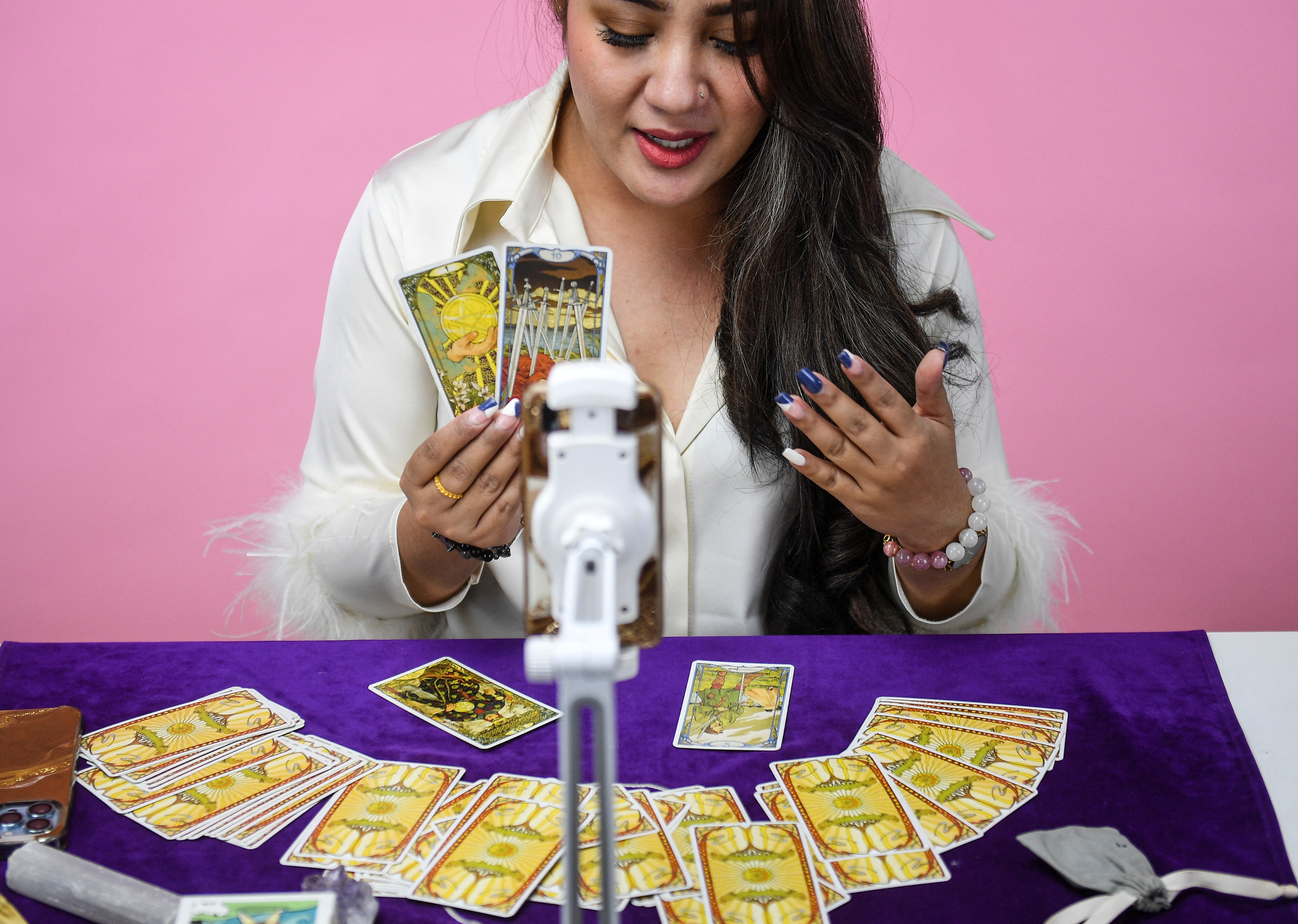
Thailand’s fortune-telling industry generates millions of baht annually, with high-profile practitioners commanding exorbitant fees. Many politicians, celebrities, and business moguls discreetly seek counsel from astrologers before making critical decisions.
The COVID-19 pandemic and economic uncertainties have further fueled a boom in fortune-telling services. More young Thais, disillusioned by job instability and personal hardships, have turned to divination for reassurance. Online fortune tellers, live-streamed tarot readings, and social media astrology pages have surged in popularity, showing that the belief in fate is evolving, not disappearing.
At the same time, cryptocurrency traders and entrepreneurs are now consulting psychics and numerologists to determine the best days for investment, proving that even in the age of blockchain and AI, ancient beliefs still hold sway.
The Amulet Phenomenon: More Than Just a Good Luck Charm

Parallel to fortune-telling is Thailand’s thriving amulet subculture. These sacred objects, known as “phra kreung” (พระเครื่อง), are believed to bring protection, wealth, or love to their owners.
The amulet trade is a billion-baht industry, with rare and highly sought-after pieces selling for millions of baht. Some of the most expensive amulets, often featuring famous monks or ancient Buddhist relics, are collected like luxury watches or fine art.
Key types of amulets include:
- Luang Phor Tuad Amulets – Famous for protecting wearers from accidents and disasters.
- Takrut Scroll Charms – Worn for invincibility and personal charm.
- Phra Somdej Amulets – Believed to bring wealth and status.
Many high-ranking officials, police officers, and soldiers swear by the power of these amulets, believing they provide protection in life-threatening situations.
More like this:
Young Thais and the New Amulet Craze
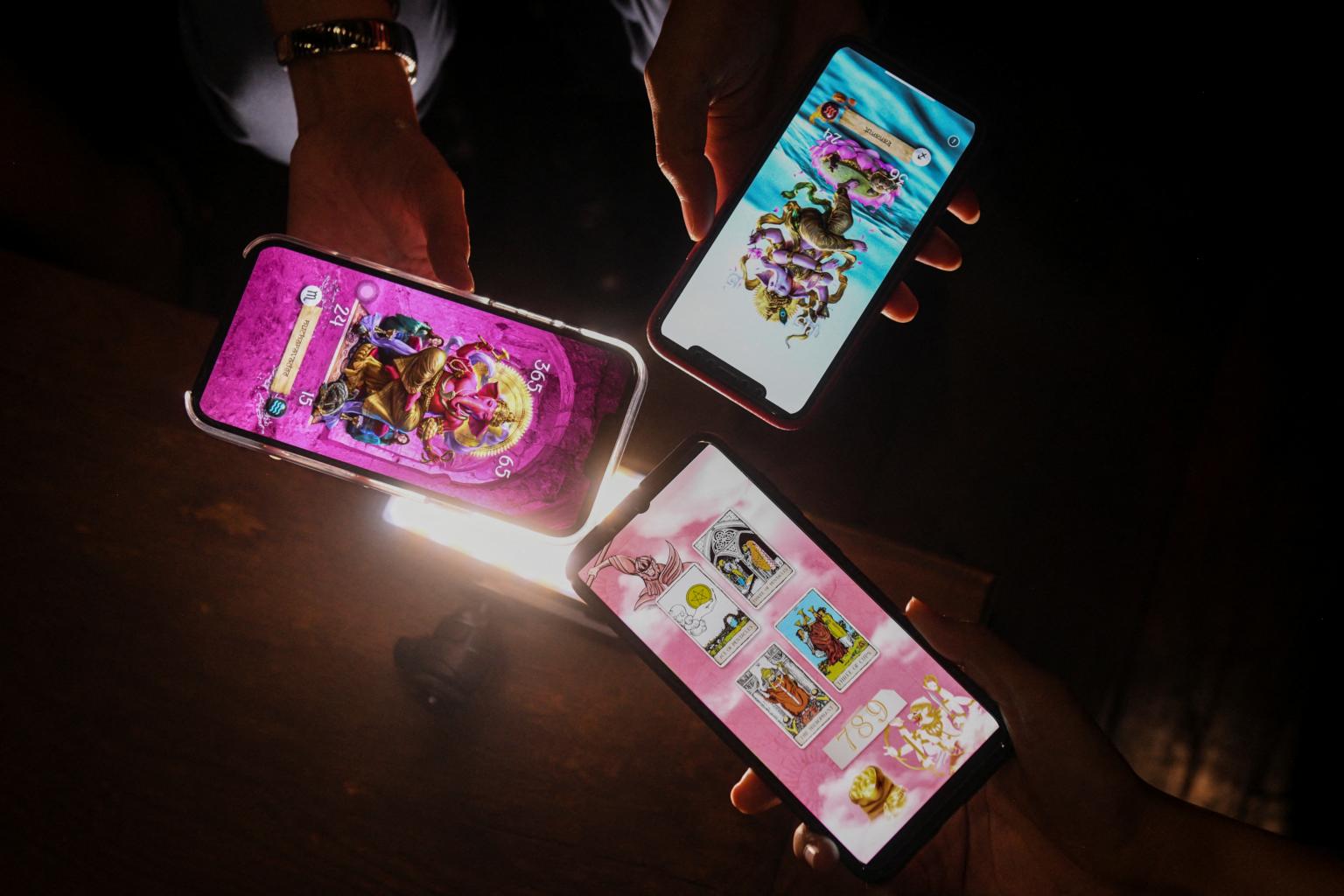
While amulets have long been associated with the older generation, young Thais are now embracing modernised versions of traditional charms.
- Blessed cryptocurrency amulets, infused with digital QR codes for luck in investments, have emerged.
- K-pop and celebrity-blessed charms have become trendy, with fans wearing amulets that promise good fortune in meeting their idols.
- Tattoo-style charms, incorporating sacred symbols, are increasingly popular among millennials who may not wear traditional amulets.
This new wave of “spiritual consumerism” reflects how modern Thai society is blending tradition with technology, keeping these beliefs alive while adapting them to contemporary lifestyles.
The Intersection of Fortune-Telling, Politics, and Power

Astrology and divination aren’t just personal beliefs—they have long played a role in Thai politics.
Politicians often choose election dates based on astrological charts, and rumours frequently surface of government figures consulting fortune tellers before announcing key policies.
The most famous example was former Prime Minister Thaksin Shinawatra, who was known to be highly superstitious. Reports suggest that he consulted monks and astrologers before making political moves. Even government buildings have been aligned based on auspicious directions, ensuring positive energy flow.
This overlap between mysticism and governance highlights the reality that, in Thailand, power is not just political or economic—it is also spiritual.
Are These Beliefs Harmful or Harmless?
While many see fortune-telling and amulets as harmless traditions that bring people comfort, critics argue that they encourage passivity.
- Some believe that relying on fate discourages personal responsibility, with people waiting for their “lucky day” rather than actively improving their circumstances.
- Scandals involving fake fortune tellers and overpriced amulets have also led to scepticism about the industry’s ethics.
However, defenders of these practices argue that faith in these traditions helps people cope with uncertainty, providing psychological relief and community bonding.
The Future of Thailand’s Fortune-Telling and Amulet Culture
As Thailand continues to modernise, the fortune-telling and amulet subculture is not fading—it is evolving.
- Digital fortune tellers and AI-driven astrology apps are gaining popularity among tech-savvy youth.
- Luxury amulet collectors’ clubs are emerging, where elite businessmen trade rare, powerful charms.
- Online spiritual influencers are making fortune-telling more accessible through Instagram and TikTok, proving that the digital world and the mystical world can coexist.
In the end, Thailand’s deep-rooted belief in destiny, protection, and unseen forces ensures that these traditions will remain a defining feature of Thai culture for generations to come.
Why Thailand’s Obsession with Fate Matters
Thailand’s relationship with fortune-telling and amulets is more than just superstition—it is a reflection of a society that values spiritual protection, guidance, and reassurance in uncertain times.
From business deals and political decisions to love and financial investments, the influence of fate remains strong. And as modern Thailand continues to balance tradition with technology, one thing is certain:
The stars, the spirits, and the sacred charms will always have a place in Thai society.
Similar read:
- Unlocking the Secrets of Thai Amulets: 5 Symbols and Their Meanings
- Spirit Houses: Understanding Thailand’s Unique Tradition
- Sacred Art of Thai Tattoos: Meanings and Designs
Sources:
[1] From King’s Coronation to Commoners, Astrology in Thailand is Everywhere
[2] Bangkok Fortune Tellers – There’s More To It Than Just Soothsaying and Crystal Balls
[3] COVID to crypto-amulets: young Thais seek fortune-telling upgrades
[4] Telling fortunes ‘a nice little earner’
[5] How fortune-telling and politics intertwine in Thailand