

Share This Article
Thailand’s vibrant street food culture is a hallmark of its rich culinary heritage, attracting both locals and tourists to its bustling markets and roadside stalls. While the allure of aromatic dishes is undeniable, concerns about food safety often surface. Understanding the regulatory framework and safety practices in place can help diners enjoy these gastronomic experiences with confidence.
Regulatory Framework Governing Food Safety
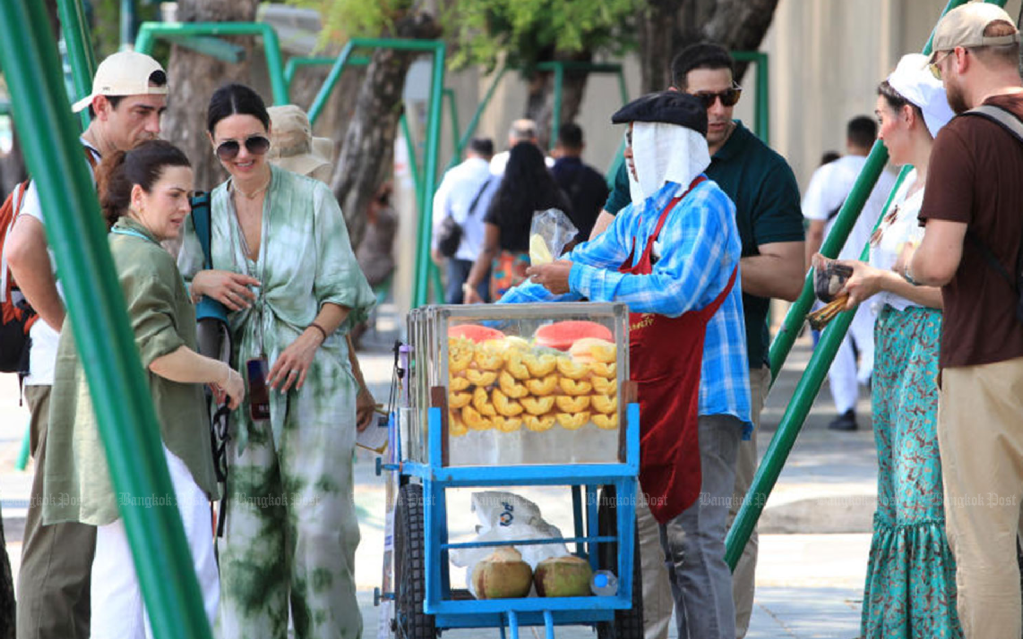

The cornerstone of Thailand’s food safety is the Food Act B.E. 2522 (1979), which aims to control food quality and safeguard consumer health. This act mandates licensing for food producers and importers, enforces food quality control, and oversees the registration and advertisement of food products. The Ministry of Public Health (MOPH) and the Food and Drug Administration (FDA) are the primary bodies responsible for implementing these regulations.
Initiatives to Enhance Street Food Safety

Recognizing the importance of street food in Thai culture and its appeal to tourists, the Department of Health, in collaboration with the Tourism Authority of Thailand and the Ministry of Interior, launched the “Clean Food Good Taste” project in 1989. This initiative aims to ensure that street food vendors adhere to hygiene standards, thereby reducing the risk of foodborne illnesses. Vendors meeting the criteria are awarded a logo to display, signaling to consumers that the food is prepared under sanitary conditions.
Challenges in Enforcement and Compliance
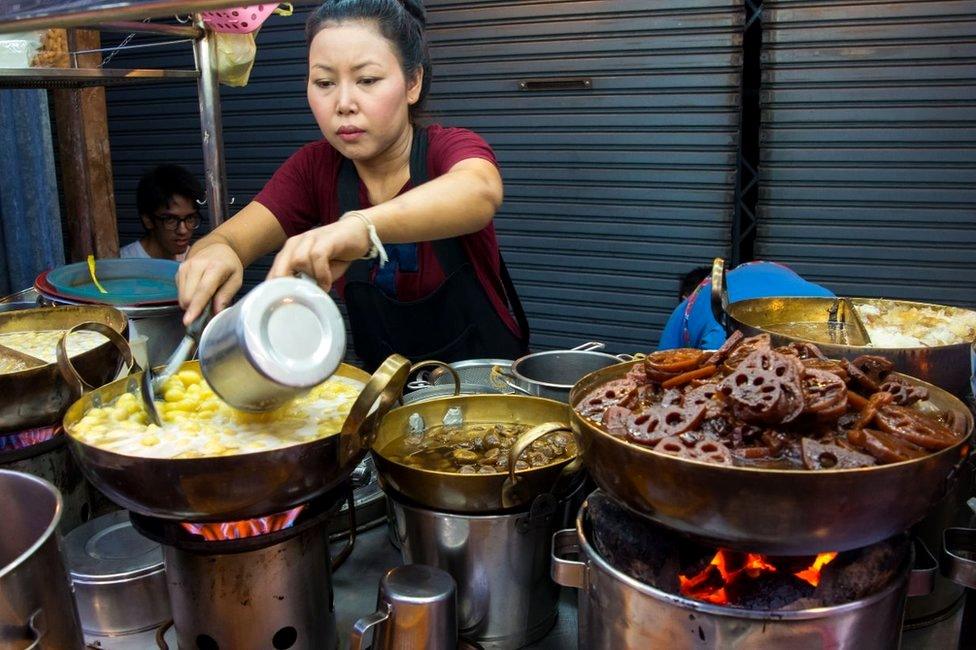
Despite a comprehensive legal framework, enforcing food safety regulations among street vendors presents challenges. Many vendors operate informally, making consistent monitoring difficult. Additionally, varying levels of awareness and resources among vendors can lead to inconsistent adherence to safety standards. Efforts are ongoing to provide education and resources to vendors to bridge these gaps.
Guidelines for Safe Street Food Consumption
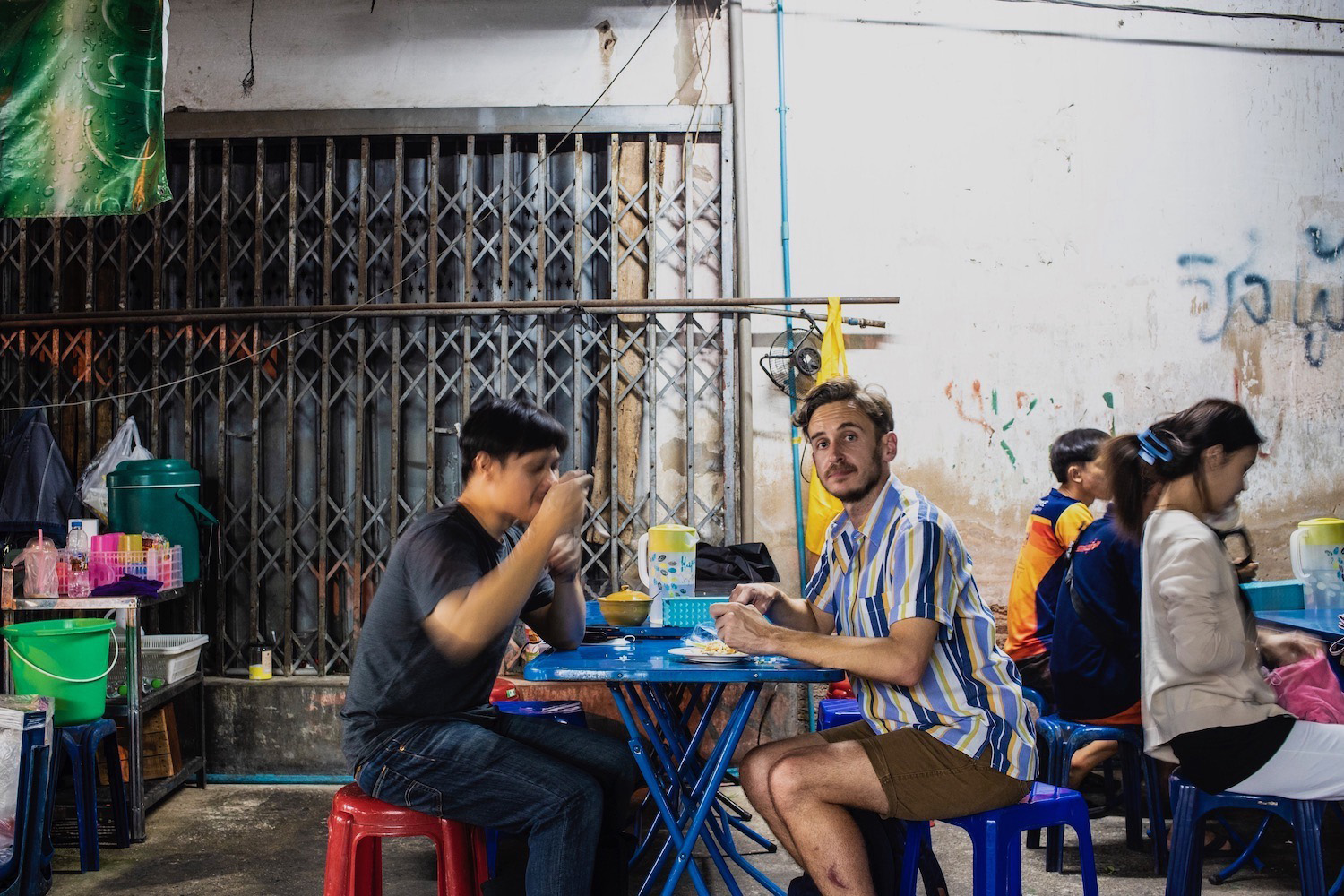
For consumers eager to indulge in Thailand’s street food, adhering to certain practices can enhance safety:
- Choose Busy Stalls: High customer turnover often indicates fresh ingredients and reputable practices.
- Observe Hygiene Practices: Opt for vendors who maintain clean preparation areas and handle food with appropriate utensils.
- Prefer Cooked-to-Order Dishes: Foods prepared on the spot are less likely to harbor harmful bacteria.
- Stay Hydrated Safely: Be cautious with beverages; opt for sealed bottled drinks to avoid potential contamination.
Final Thoughts
Thailand’s street food scene offers a delightful array of flavors and experiences. While the government has established a robust framework to ensure food safety, consumers play a pivotal role in making informed choices. By understanding the regulations and observing best practices, one can savor the country’s culinary offerings with peace of mind.
Similar read:
- Street Food Safari: 10 Must-Try Dishes on Thai Streets
- Flavours of Banthadthong: Discover Bangkok’s Street Food Hotspot
- Thai Street Food for the Adventurous Eater
Sources: Mondaq, Thai Business Law Firm, Butter, FAO