

Share This Article
In Thailand, the concept of ‘narak’—meaning ‘cute’ in Thai—is more than just an aesthetic preference; it’s a cultural phenomenon that permeates daily life and significantly influences the nation’s economy. From retail and tourism to branding strategies, the allure of cuteness has become a powerful economic driver, captivating both locals and international visitors.
Narak’ in Thai Culture
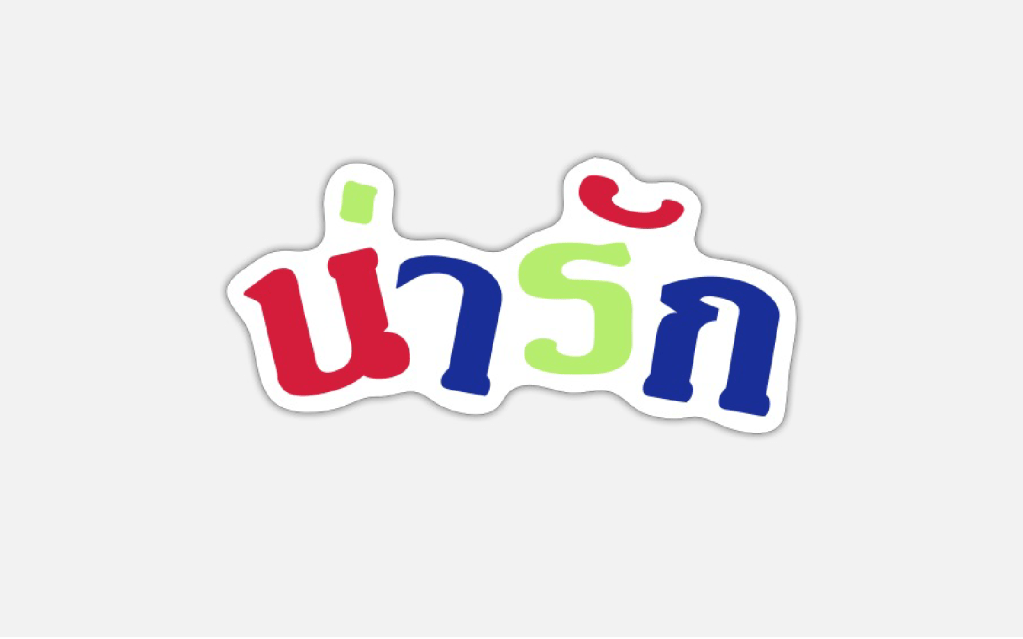
The term ‘narak’ embodies more than mere visual appeal; it reflects the Thai values of warmth, friendliness, and approachability. This cultural inclination towards all things cute manifests in various aspects of society, from fashion and entertainment to everyday interactions. The prevalence of ‘narak’ elements fosters a sense of joy and community, making it a cornerstone of Thai social fabric.
Retail: Capitalising on Cuteness

Businesses across Thailand have adeptly harnessed the ‘narak’ culture to enhance consumer engagement and drive sales. By incorporating adorable designs and mascots into their products and marketing strategies, brands create memorable experiences that resonate with customers.
Case Study: Butterbear
A quintessential example is Butterbear, a bakery chain that has become a sensation through its endearing mascot, Nong Noey. Initially introduced as a charming character on product packaging, Nong Noey quickly captured the hearts of consumers. The bakery’s strategic use of this lovable bear has led to massive social media followings and long queues at their outlets, with fans eager to interact with the mascot and purchase themed merchandise. This phenomenon underscores the potent impact of ‘narak’ in retail marketing.
Tourism: Attracting Visitors with Charm
Thailand’s tourism industry has also embraced ‘narak’ culture to enhance its appeal. The infusion of cuteness into tourist attractions and services creates unique, Instagram-worthy experiences that draw visitors from around the globe.
Case Study: Themed Cafés
The rise of themed cafés exemplifies this trend. Establishments adorned with whimsical décor and offering character-inspired menus provide immersive environments that delight patrons. These venues not only cater to local enthusiasts but also attract international tourists seeking novel experiences, thereby boosting foot traffic and revenue.
Branding: Building Emotional Connections
Incorporating ‘narak’ elements into branding strategies enables companies to forge strong emotional connections with their audience. Adorable mascots and designs evoke positive emotions, fostering brand loyalty and differentiation in a competitive market.
Case Study: LINE Friends and Sanrio
Global brands like LINE Friends and Sanrio have successfully penetrated the Thai market by aligning with the local affinity for cuteness. Their characters, such as Brown the bear and Hello Kitty, resonate with Thai consumers, leading to collaborations with local businesses and the establishment of dedicated stores. This synergy between international brands and Thai ‘narak’ culture exemplifies the commercial viability of cuteness as a branding tool.
The Rise of Moo Deng: Thailand’s Beloved Baby Hippo
One of the latest stars of Thailand’s ‘narak’ culture is Moo Deng, the adorable baby hippo who has taken social media by storm. Residing at Khao Kheow Open Zoo, Moo Deng has captured the hearts of thousands with her playful antics and expressive face. Videos of her enjoying bath time, munching on fruits, and interacting with her caretakers have gone viral, generating widespread affection both locally and internationally.
Moo Deng’s immense popularity has turned her into a marketing sensation. Merchandise featuring her likeness, from plush toys to T-shirts, has flooded the market, and tourists now flock to the zoo just to catch a glimpse of the famous baby hippo. Her rise to fame highlights the profound impact that ‘narak’ culture has on tourism and retail, proving that even a baby hippo can become a national celebrity in Thailand’s cuteness-driven economy.
Economic Impact
The integration of ‘narak’ culture into various industries has tangible economic benefits. Retailers experience increased product demand, tourism sectors see a rise in visitor numbers, and brands enjoy enhanced market positioning. This cultural-economic synergy not only stimulates domestic spending but also attracts foreign investment and tourism, contributing to Thailand’s overall economic growth.
Conclusion
The pervasive influence of ‘narak’ culture in Thailand extends beyond aesthetics; it is a dynamic economic force that shapes consumer behaviour, tourism trends, and branding strategies. By embracing and capitalising on the universal appeal of cuteness, Thai businesses and the tourism industry have created a vibrant, emotionally engaging marketplace that continues to thrive.
Similar read:
- Butterbear: The Thai Bakery Chain Winning Hearts with ‘Heart-Healing Marketing’
- Thailand’s Crypto Cafes and Blockchain Boom: Brewing a Digital Revolution
- Falling Behind in the Chip Race: Thailand’s Place in ASEAN’s Semiconductor Competition
Sources:
[1] Get to know Butterbear, internet sensation and viral mascot
[2] Mascot ‘Butterbear’ to thrill fans at first ‘Fam Meeting’
[3] Thailand tours in style: buses painted with superheroes, cartoon characters and Buddhas help attract customers in competitive market
[4] 16 family-friendly cute cartoon-themed cafes Bangkok, Thailand to eat at!
[5] 3 Fun-Themed Bangkok Cafes, Thailand