

Share This Article
The history of Thai pornography is a nuanced and multifaceted subject that mirrors the cultural, legal, and technological shifts in Thailand. From its roots in the Ayutthaya dynasty to the modern age of online platforms like OnlyFans, Thai pornography has navigated societal taboos, strict legal frameworks, and evolving cultural attitudes.
Ancient Roots in Ayutthaya Dynasty
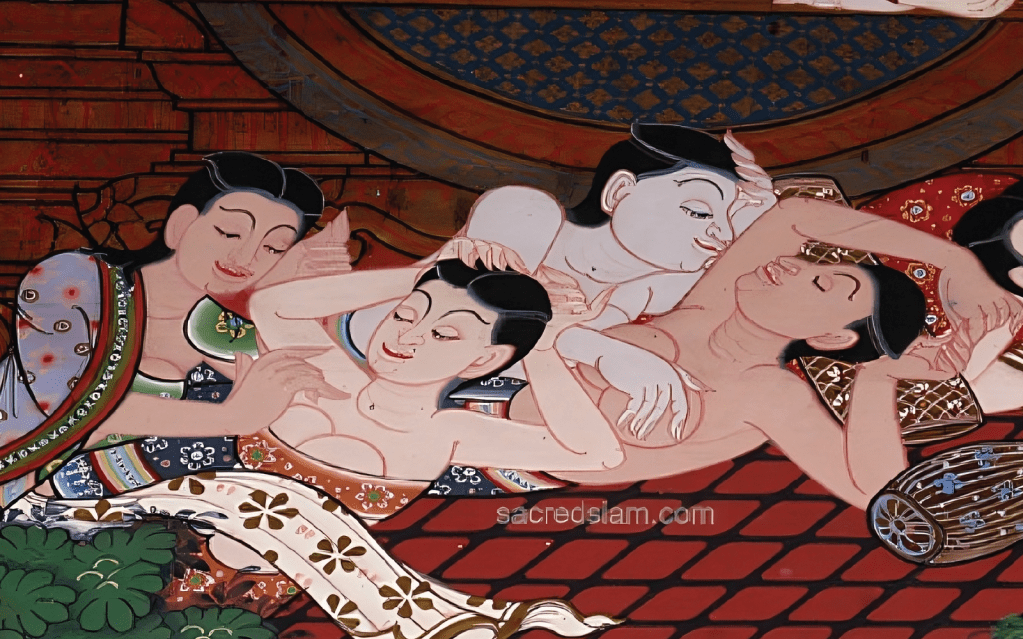
Thailand’s engagement with erotic material dates back to the Ayutthaya dynasty (1351-1767), evident in temple murals depicting erotic scenes, sculptures with symbolic references to sexuality, and erotic literature. This artistic expression, though limited in scope, reveals a historical context where sexuality, while regulated, was a part of cultural expression influenced by neighbouring Indian and Chinese cultures.
Taboo Subject of Sex

Historically, sex has been a taboo subject in Thailand, especially for women. Cultural norms dictated that discussions around sexual preferences and practices were inappropriate, reinforcing a conservative societal stance. This taboo has had lasting effects, shaping both public attitudes and private behaviours towards sex and pornography.
The Stringent, yet Ambiguous, Legal Framework
The Thai Penal Code strictly prohibits the production, distribution, and possession of obscene materials. Those caught violating these laws can face up to three years in prison. The definition of “obscene materials” under Thai law is quite broad and can be interpreted subjectively. It encompasses content that “promotes lust or obscenity, or that is likely to corrupt morals.”
This ambiguity, coupled with often inconsistent enforcement, creates a complex legal landscape for pornography in Thailand. Despite the harsh penalties, a thriving underground market persists, and various forms of pornography, including yaoi and hentai, are widely available online.
Cultural Impact and Ethical Concerns
In Thai culture, pornography is often seen as a threat to traditional sexual norms and social order. This perception has led to significant ethical debates and a strong resistance against the normalisation of adult content.
Furthermore, concerns exist that pornography can reinforce traditional gender roles, where female sexuality is often viewed as more taboo than male sexuality. Nevertheless, economic pressures, especially during crises like the COVID-19 pandemic, have pushed some individuals into the industry, highlighting the tension between moral values and financial necessity.
Modern Trends and Online Platforms
The advent of online platforms like OnlyFans has revolutionised the production and distribution of adult content in Thailand. These platforms offer a discreet and financially rewarding outlet for creators, particularly during economic downturns.
However, legal ambiguities remain. While platforms like OnlyFans often have age restrictions and verification processes to ensure users are of legal age, enforcement might be inconsistent in Thailand due to the broader legal uncertainty surrounding pornography. This inconsistency creates a situation where some creators and consumers may operate under a false sense of security despite the potential legal consequences.
Government Censorship and Control
The Thai government has a long history of censoring pornographic content. Agencies like the Royal Thai Police and the Ministry of Information and Communication Technology actively block access to numerous pornographic websites. This censorship reflects the ongoing struggle between maintaining traditional values and the unstoppable tide of digital content. Recent developments, such as the proposed bill #UnlockPornSexToy, aiming to legalise pornography and sex toys, highlight the ongoing debate about censorship and the potential for reform.
Similar read: Is Thailand Ready to Embrace Its Hidden Adult Industry?
Conclusion: Tradition vs. Modernity
The history of Thai pornography is marked by a complex interplay of cultural, legal, and technological factors. From ancient taboos to modern online platforms, the industry has continuously adapted to changing societal norms and economic pressures. Understanding this history provides valuable insights into the broader cultural and legal landscape of Thailand. As the industry evolves, it remains a poignant example of the tension between tradition and modernity in Thai society.
You might also like:
- Is Thailand Ready to Embrace Its Hidden Adult Industry?
- Sacred Symbols: Exploring the Meaning Behind Thai Temple Murals
Sources: Chiang Mai City Life, Wikipedia, Bangkok Post