

Share This Article
As Thailand continues to attract tourists, expats, and digital nomads, understanding the risks within its business landscape is essential, especially concerning multi-level marketing (MLM) and pyramid schemes. The recent scandal involving The iCon Group has brought significant attention to these business models, prompting a closer examination of their practices.
The iCon Group Scandal: A Case Study
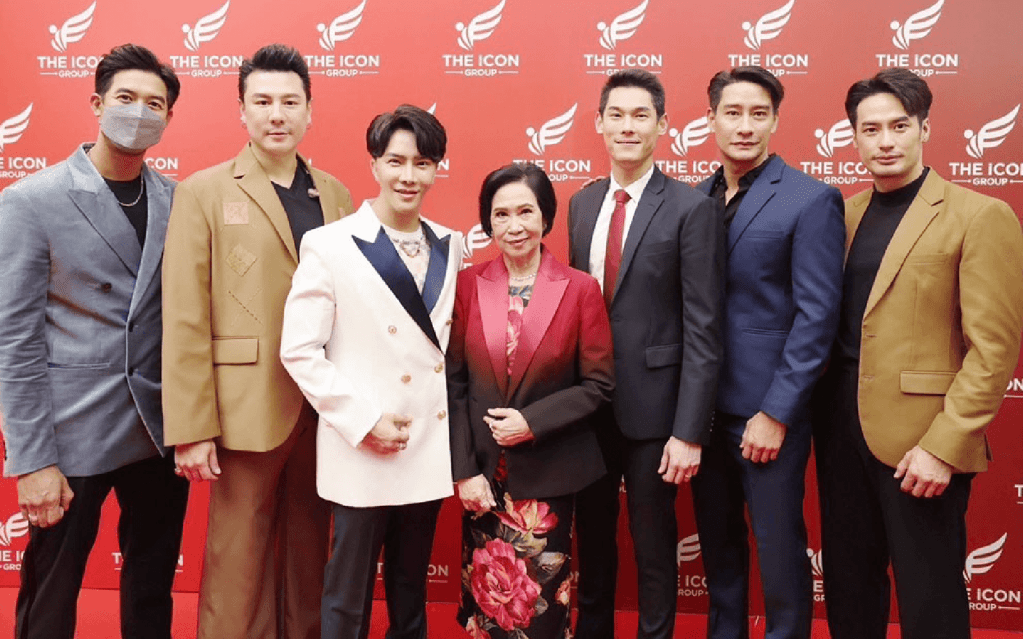

The iCon Group, once considered a major player in Thailand’s MLM sector, has recently been exposed for allegedly operating a pyramid scheme. With over 900 victims claiming combined losses exceeding 400 million baht (approximately $12 million), the scandal has rocked the MLM community in Thailand.
Many victims were initially drawn in by the group’s low-cost online marketing courses, which were priced under 100 baht. However, as participants progressed, they were coerced into investing significantly larger sums, up to 250,000 baht, to advance their position as distributors or dealers. The focus on recruitment rather than actual product sales is what led to the company being flagged as a pyramid scheme.
Key Elements of The iCon Scheme:

- Low Entry Cost: Individuals were enticed by affordable courses, making the initial offer seem low-risk.
- High Investment Requirement: As participants moved up the hierarchy, they were pressured to invest more.
- Focus on Recruitment: Most participants reported that the scheme emphasised recruiting new members instead of genuine product sales.
Celebrity Involvement and Public Reaction

The iCon Group’s rise was significantly fueled by celebrity endorsements. High-profile Thai public figures, including Pakorn “Boy” Chatborirak, Peechaya “Min” Wattanamontree, and Kan Kantathavorn, were prominently featured in the company’s advertising campaigns. These endorsements played a crucial role in legitimising the brand in the eyes of the public, drawing in individuals who trusted the celebrities’ reputations.
However, as the scandal unfolded, these same celebrities became targets of public backlash. Many of their fans felt betrayed by their involvement in promoting a fraudulent scheme, leading to a growing call for accountability. Kan Kantathavorn even withdrew from public engagements following the backlash. Legal actions are being pursued not only against The iCon Group but also against some of the celebrities involved, with accusations of public fraud and money laundering.
The Influence of Public Figures in Thai Marketing

In Thailand, celebrity endorsements have long been a powerful marketing tool. Public figures are often able to sway consumer behaviour due to the deep loyalty Thai consumers have toward their favourite celebrities. This highlights the significance of aesthetics and personal connections in shaping purchasing decisions.
- Consumer Loyalty: Thai consumers are known for their strong loyalty toward celebrities, often leading them to trust and invest in products that their favourite stars endorse.
- Economic Influence: Celebrity endorsements can drive substantial revenue for brands, influencing market dynamics and consumer trends. Thai celebrities, particularly in the fashion and beauty sectors, often generate millions in revenue for companies through influencer marketing.
- Risks for Brands: While celebrity endorsements can be lucrative, they come with risks. Scandals, such as the one involving The iCon Group, can severely damage both the brand’s and the celebrity’s reputation. Companies must perform extensive due diligence before associating with influencers to mitigate the risk of backlash.
Understanding Pyramid Schemes vs. MLMs
It is important to distinguish between pyramid schemes and MLMs, as the two are often confused. While MLMs can operate legally, pyramid schemes focus primarily on recruitment, making them unsustainable and illegal in many countries.
Characteristics of Pyramid Schemes:
- No Genuine Product Sales: Most income comes from recruitment rather than selling actual products.
- Unsustainable Model: Eventually, recruitment falters, leading to the collapse of the scheme, and those at the bottom are left with significant financial losses.
Characteristics of Legitimate MLMs:
- Product Focus: Participants earn commissions based on selling products rather than just recruiting new members.
- Compliance with Local Laws: Legal MLMs must operate under strict regulations, and their products or services must hold real value.
Economic Impact of the iCon Group Scandal
The financial ramifications of the iCon Group scandal have been far-reaching. The collapse of such a large-scale operation has not only left individual investors suffering losses but has also impacted Thailand’s economy by shaking confidence in MLM practices within the country. Many local businesses that rely on MLM structures now face increased scrutiny, while regulatory bodies have ramped up investigations to prevent future occurrences.
Moreover, the financial damage caused by this scandal is notable. With total losses exceeding 400 million baht, many individuals who invested large sums have been left financially ruined. The ripple effect of this scandal may deter future investments in similar business models, both by Thai nationals and foreigners.
Legal and Regulatory Framework

Thailand’s legal system has provisions in place to tackle fraudulent business models, including pyramid schemes. Agencies such as the Consumer Protection Board and the Central Investigation Bureau are tasked with protecting consumers from these scams. In the wake of the iCon Group scandal, these agencies have taken a more aggressive stance, pursuing legal action against the company and its endorsers to hold them accountable.
Final Note
The iCon Group scandal sheds light on the darker side of Thailand’s business landscape, where pyramid schemes masquerade as legitimate MLM ventures, luring in unsuspecting victims with the promise of wealth. The involvement of high-profile celebrities in promoting these schemes further highlights the power of influencer marketing in Thailand and the risks that come with it.
As Thailand continues to grow as a vibrant economic hub, consumers and businesses alike must exercise caution, ensuring that they thoroughly vet business opportunities before investing. This scandal serves as a critical reminder of the need for robust consumer protection measures and more stringent regulations to prevent future exploitation in the MLM industry. By understanding the nuances of these business models and their economic impact, Thailand can continue to foster a healthier and more transparent business environment.
You may also like:
- Doing Business in Thailand: What You Need to Know
- Thailand’s Startup Ecosystem: Opportunities and Challenges for Foreign Entrepreneurs
- E-commerce Expansion: Harnessing Thailand’s Growing Online Market for Foreign Businesses
Sources: Thai.News , Nation Thailand , Lefty , Bangkok Post , Bangkok Post (2) , Pattaya Mail , Nation Thailand (2) , Warc , CRM Lead Gen , ThaiPBS , BBC Thailan