

Share This Article
Thailand’s rich food culture thrives on its diverse rice varieties, each playing a vital role in shaping the flavours and textures of iconic dishes. From the fragrant notes of jasmine rice to the earthy richness of red cargo rice, these indigenous grains serve as both the foundation and the soul of Thai gastronomy.
Jasmine Rice: The Fragrant Foundation
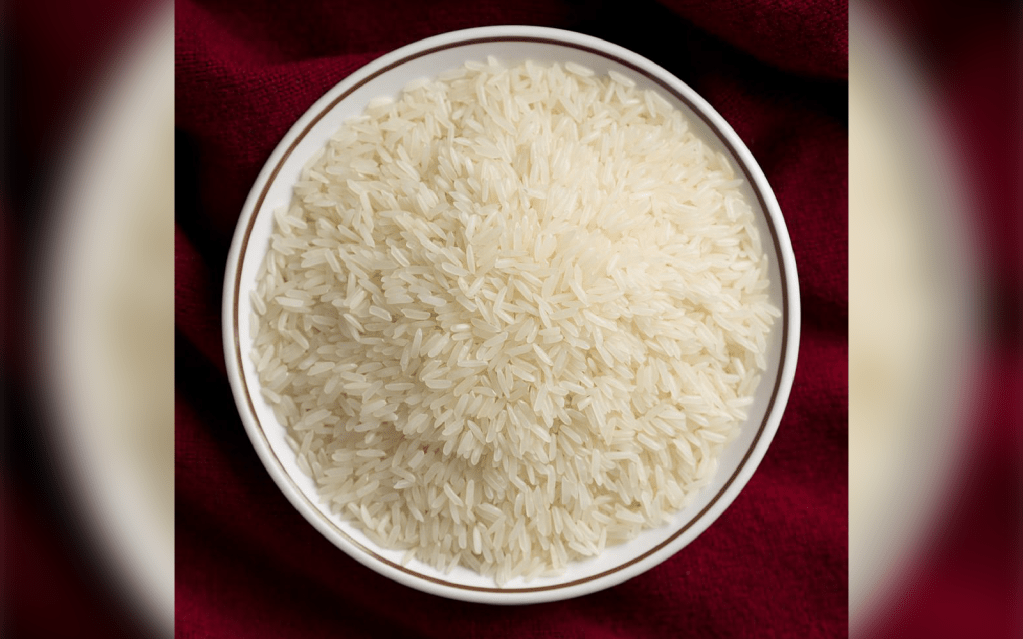
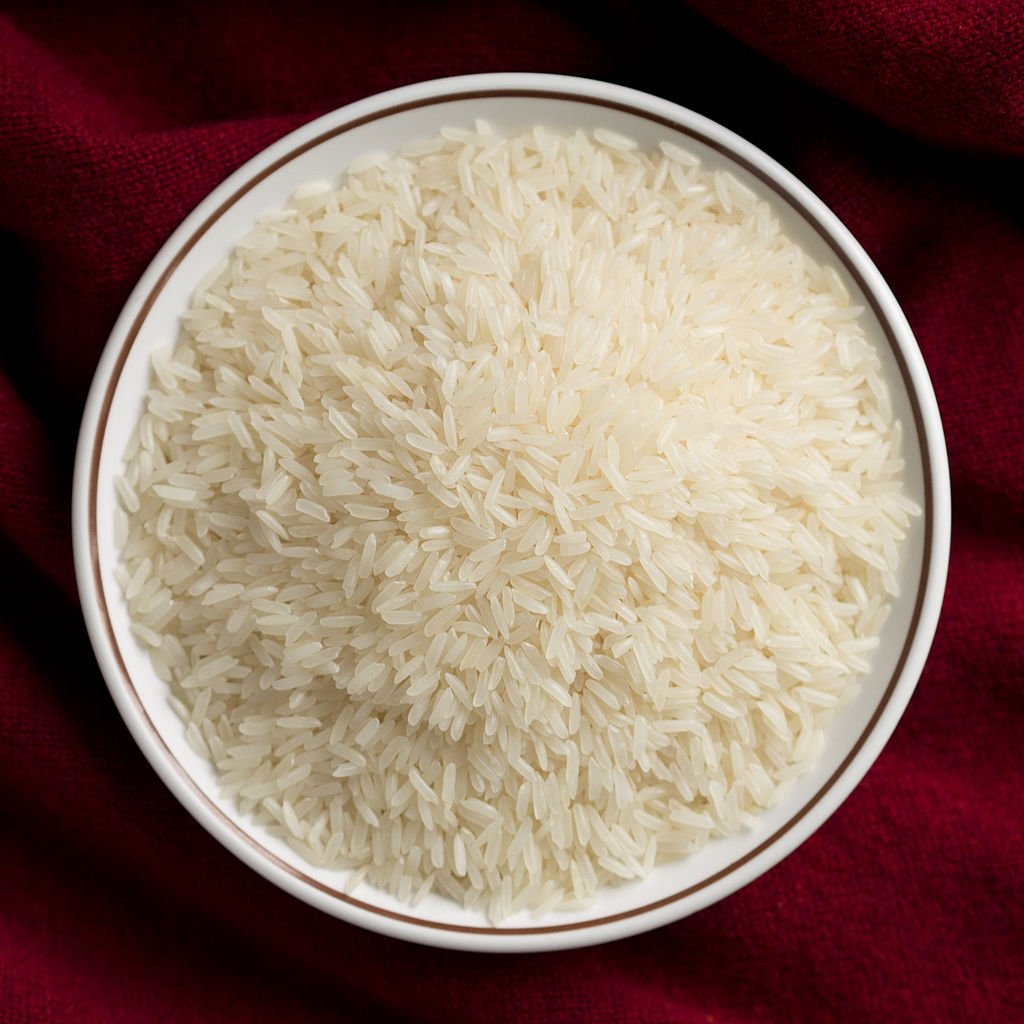
Known locally as Khao Hom Mali, jasmine rice is celebrated for its delicate aroma reminiscent of pandan leaves. This long-grain variety is a staple in Thai households, pairing seamlessly with curries, stir-fries, and soups. Its soft, fluffy, and slightly sticky texture makes it ideal for dishes like Thai basil chicken and fried rice.
Sticky Rice: The Heart of Northern and Northeastern Cuisine

:max_bytes(150000):strip_icc()/__opt__aboutcom__coeus__resources__content_migration__serious_eats__seriouseats.com__2019__04__20190416-pork-shoulder-vicky-wasik-64-8da9630e1b6e4341b530888c73100d90.jpg)
Sticky rice, or Khao Niao, holds a special place in the culinary traditions of Thailand’s northern and northeastern regions. Its chewy texture is perfect for moulding into balls, making it a popular accompaniment to grilled meats and spicy salads. Sticky rice is also essential in savoury dishes like Sai Oua (northern Thai sausage) and Nam Prik Noom (chilli dip).
Notably, it’s the star ingredient in the beloved dessert, mango sticky rice, where it’s sweetened with coconut milk and paired with ripe mango slices.
Red Cargo Rice: A Nutritious Alternative
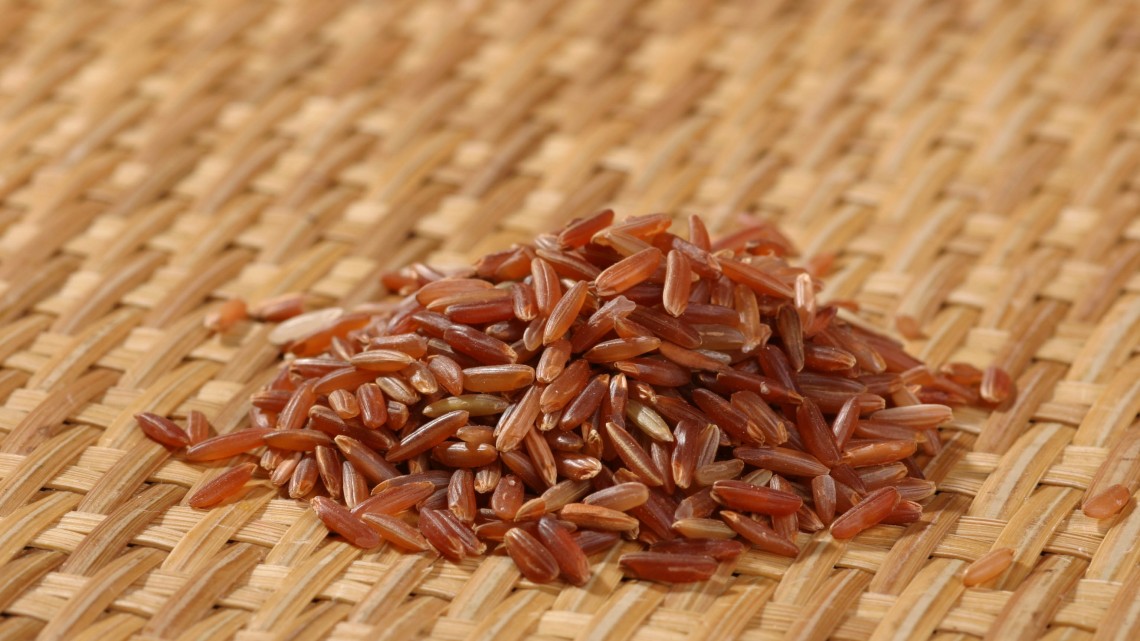
Red cargo rice, distinguished by its reddish-brown hue, offers a nutty flavour and chewy texture. Retaining its bran layer, it’s richer in fibre and nutrients compared to white rice. It’s commonly used in steamed preparations or mixed with jasmine rice for a healthier base. This variety is often featured in health-conscious Thai dishes, adding both colour and nutritional value.
Riceberry: The Modern Superfood
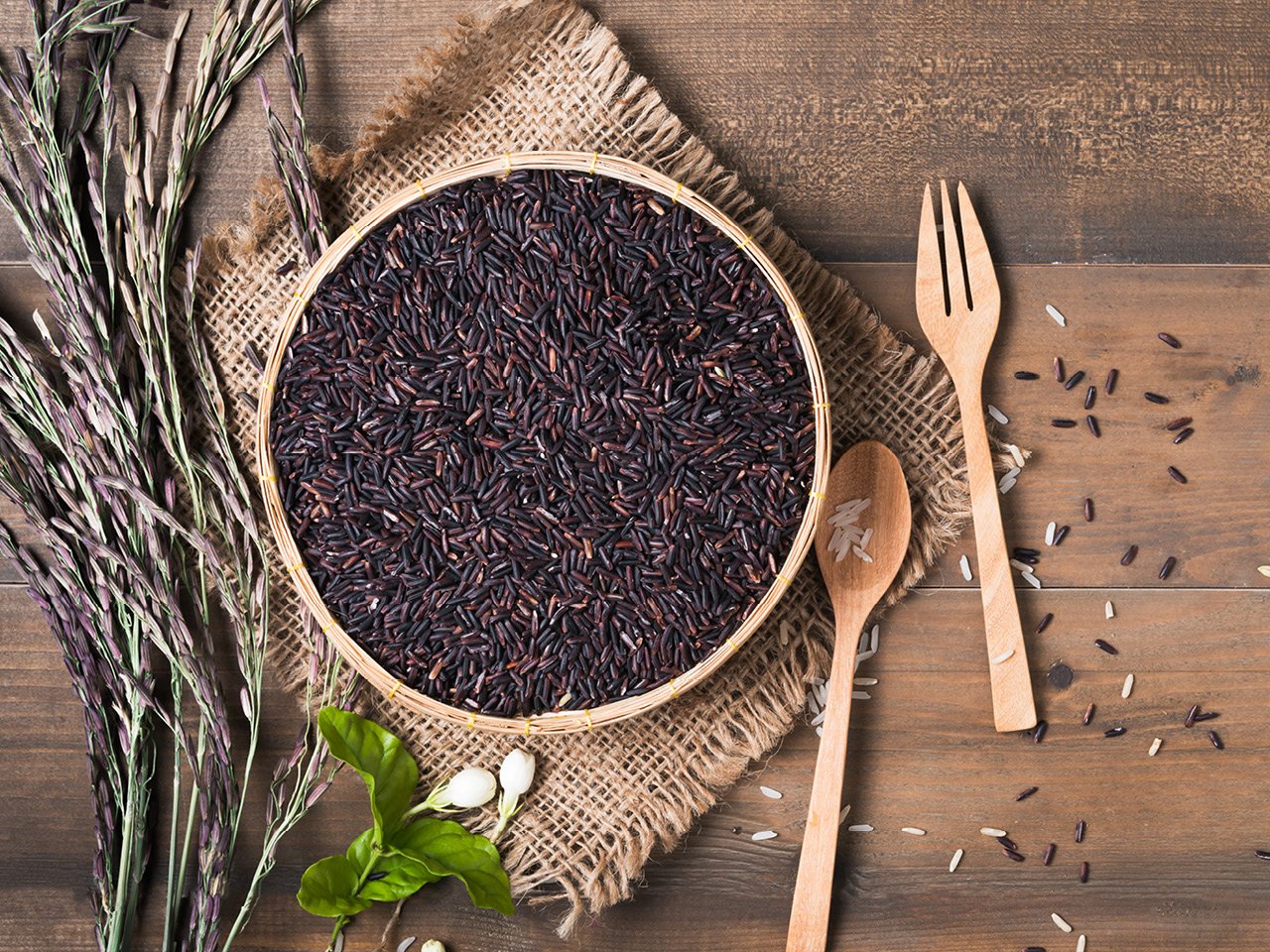
A relatively recent addition to Thailand’s rice repertoire, riceberry is a crossbreed between Hom Nil and Khao Dawk Mali 105 rice. Its deep purple grains are packed with antioxidants, fibre, and essential nutrients. Beyond its health benefits, riceberry’s slightly sweet flavour and appealing colour have made it a favourite in contemporary Thai cuisine. It’s used in dishes in the same way as jasmine rice.
Culinary Applications: Tradition Meets Innovation
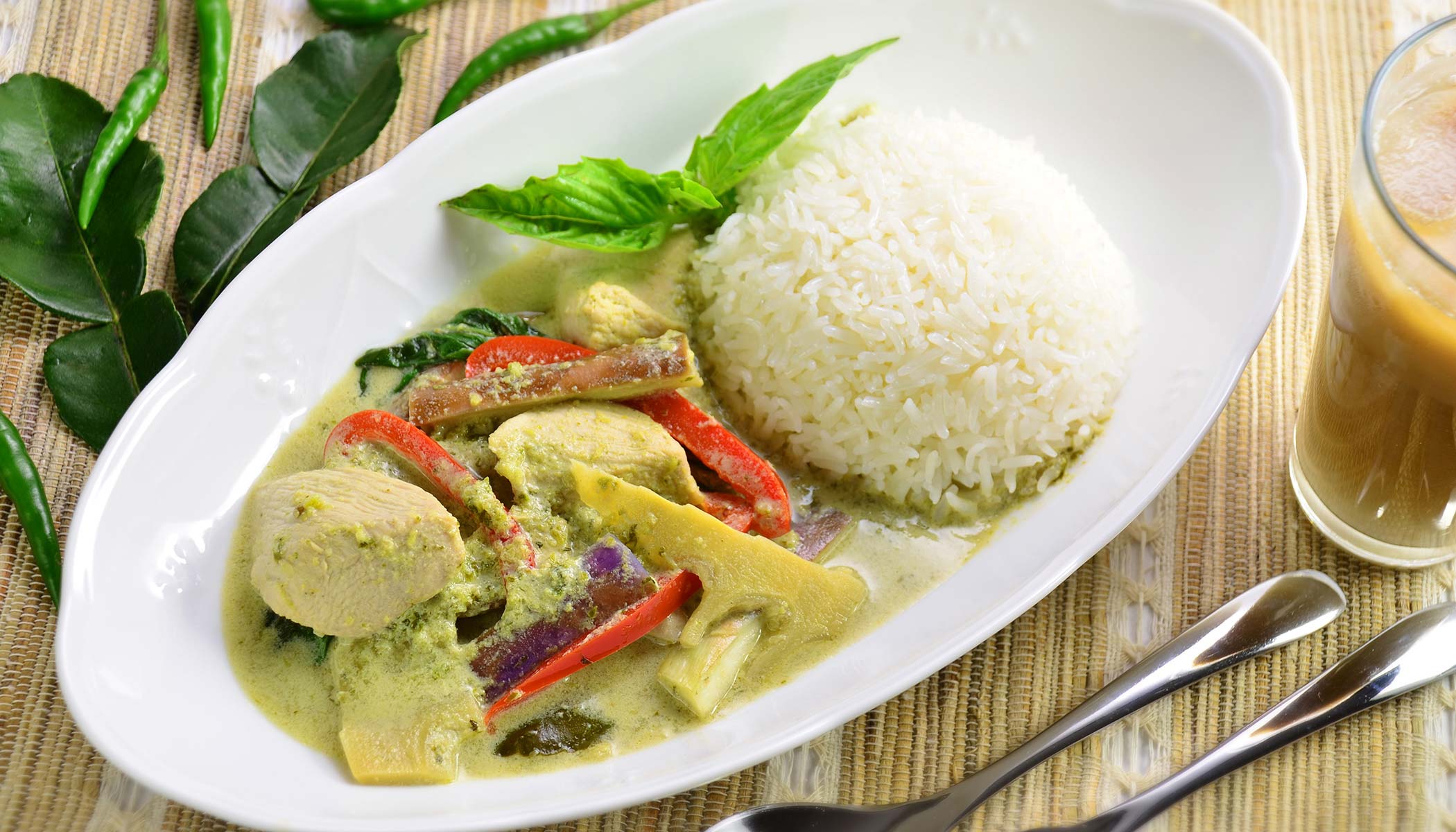
Each rice variety enhances specific Thai dishes:
- Jasmine Rice: Served alongside green curries and stir-fries, its fragrant aroma complements the bold flavours of Thai spices.
- Sticky Rice: Essential in northern dishes like Larb (spicy minced meat salad) and as a base for desserts such as Khao Lam, cooked sticky rice in bamboo with coconut milk.
- Red Cargo Rice: Incorporated into salads and stir-fries, it provides a hearty texture and earthy taste.
- Riceberry: Featured in modern Thai dishes, it’s often used in rice bowls and fusion recipes, appealing to health-conscious diners.
Preservation and Future Prospects
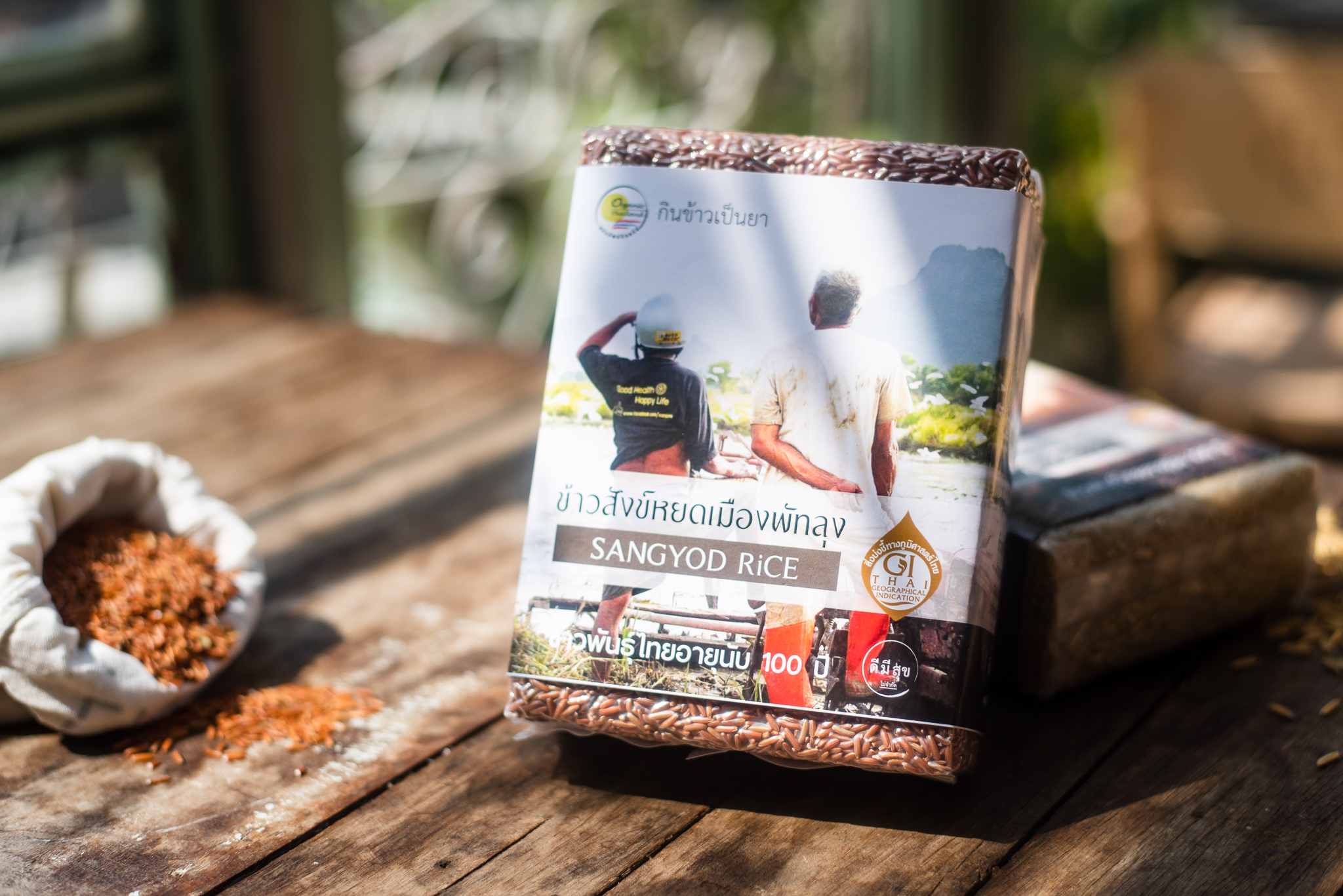
Despite the global popularity of Thai rice, many indigenous varieties face challenges due to the rise of high-yield strains and agricultural modernisation. Efforts by the Thai government and local farmers aim to preserve these traditional grains, recognising their cultural significance and unique qualities. Initiatives like the promotion of Geographical Indication (GI) rice help protect unique varieties such as Hom Mali and Red Jasmine from specific regions.
Conclusion
Thailand’s indigenous rice varieties are more than mere accompaniments; they are integral to the nation’s culinary identity. Understanding and appreciating these grains enriches our experience of Thai cuisine, highlighting the harmonious blend of tradition and innovation that defines it.
Similar read: