

Share This Article
In Thailand, the spirituality of Buddhism significantly shapes everyday life, but there is also a less visible yet deeply influential presence—Hinduism. This ancient religion has integrated itself into the very fabric of Thai culture, creating a rich tapestry of cultural syncretism that remains relevant in contemporary Thailand. The complex deities and epic narratives of Hinduism are taught in schools, and many Thai people who worship Hindu deities regularly visit Hindu temples.
Historical Context of Hindu Influence
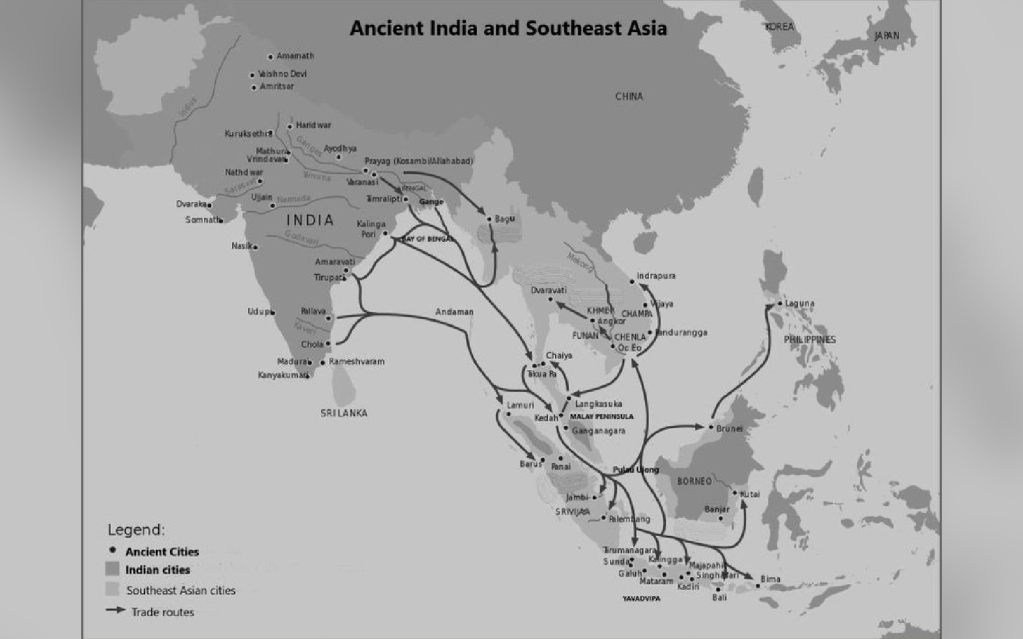

The seeds of Hinduism were planted in Thailand through various channels. This includes land migrations from India and maritime trade routes, especially during the reign of the Srivijaya Empire and the subsequent Khmer Empire. These periods saw the assimilation of Hindu culture into local customs, leaving indelible marks on Thai society, art, and religious practices that persist to this day. It is important to note that these influences were not wholesale adoptions but rather adaptations that blended with local traditions.
Cultural Integration and Syncretism

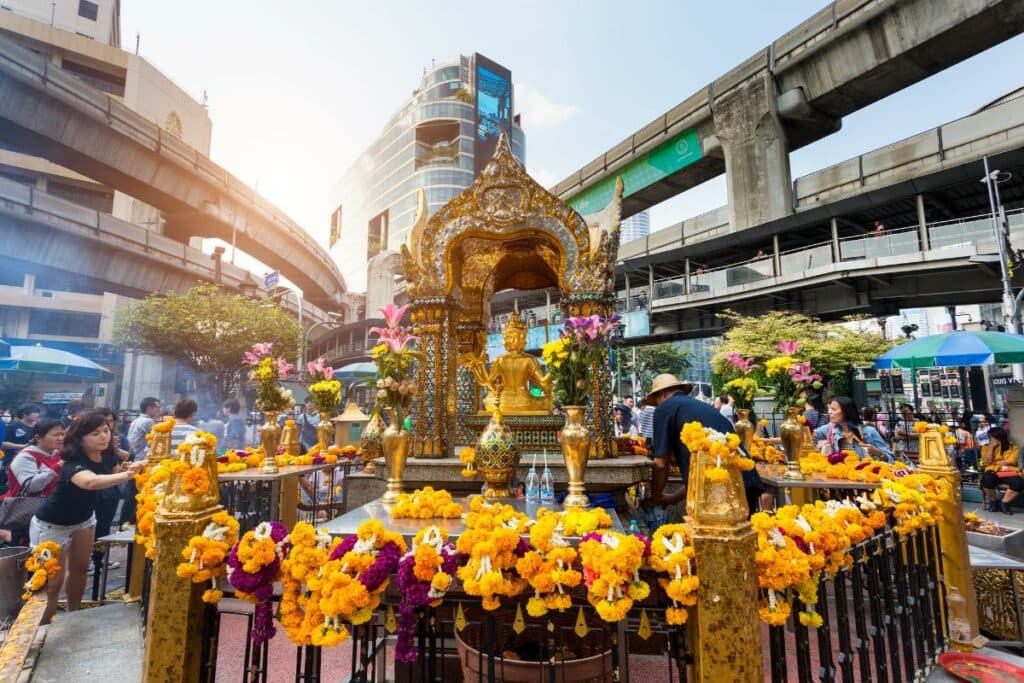
Despite the overwhelming Buddhist majority in Thailand, Hindu influences permeate several facets of Thai life. In bustling Bangkok, the Erawan Shrine, dedicated to the Hindu god Brahma, attracts crowds of worshippers daily. This shows the enduring presence of Hindu deities in Thai spirituality. Additionally, royal ceremonies often feature Hindu rituals, reflecting the ancient ties between the monarchy and Hindu traditions.
The Hindu epics, particularly the Ramakien (Thailand’s adaptation of the Ramayana,) play a pivotal role in shaping Thai literature and performing arts. These stories are not just entertainment; they convey moral lessons and societal values rooted deeply in Hindu philosophy.
Festivals and Rituals
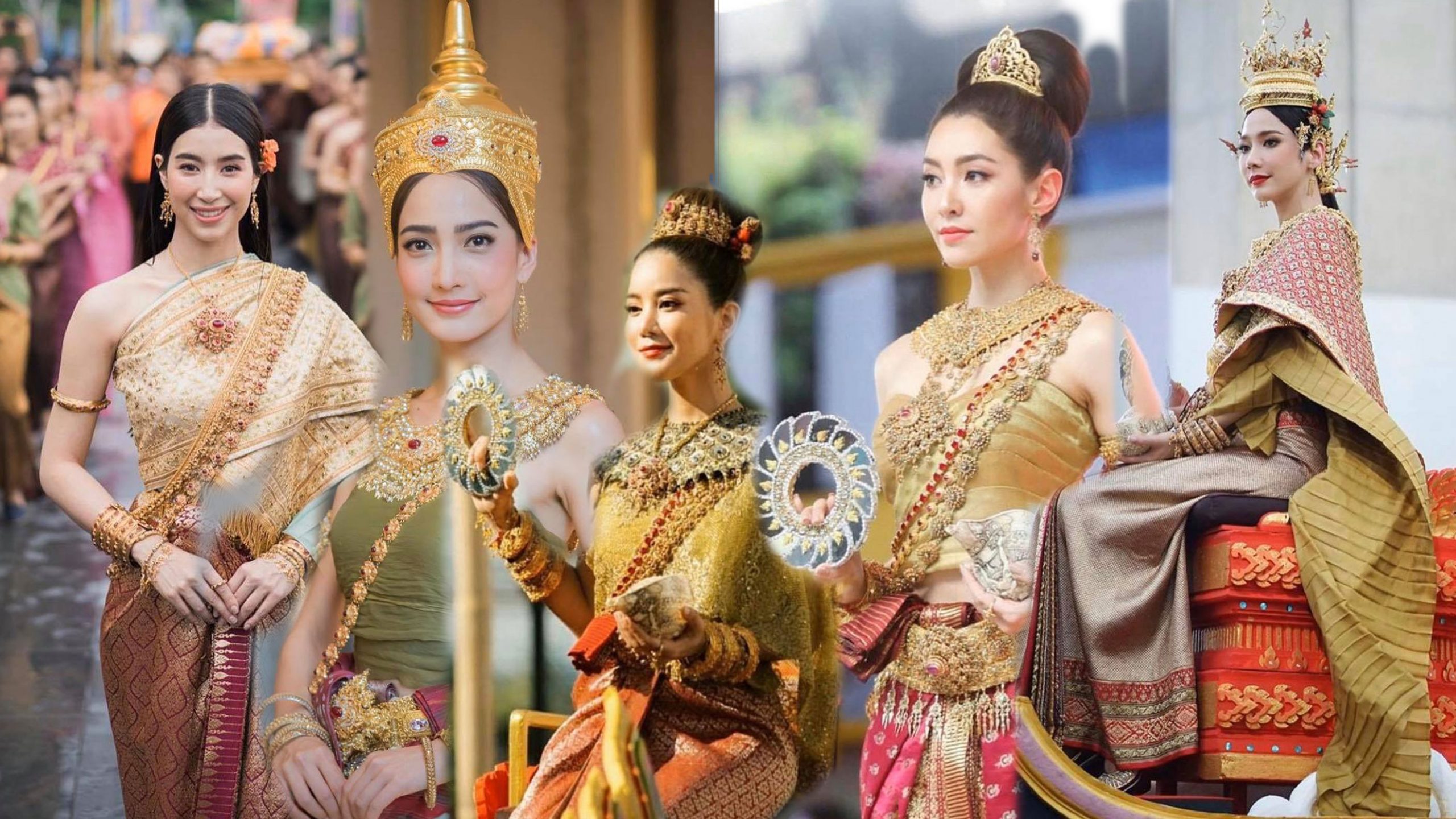
Thai festivals like Songkran and Loy Krathong brilliantly illustrate the melding of Buddhist and Hindu traditions with rituals that honour deities from both faiths. This blending underscores the harmonious coexistence of these religions within the Thai cultural milieu.
Linguistic Influence
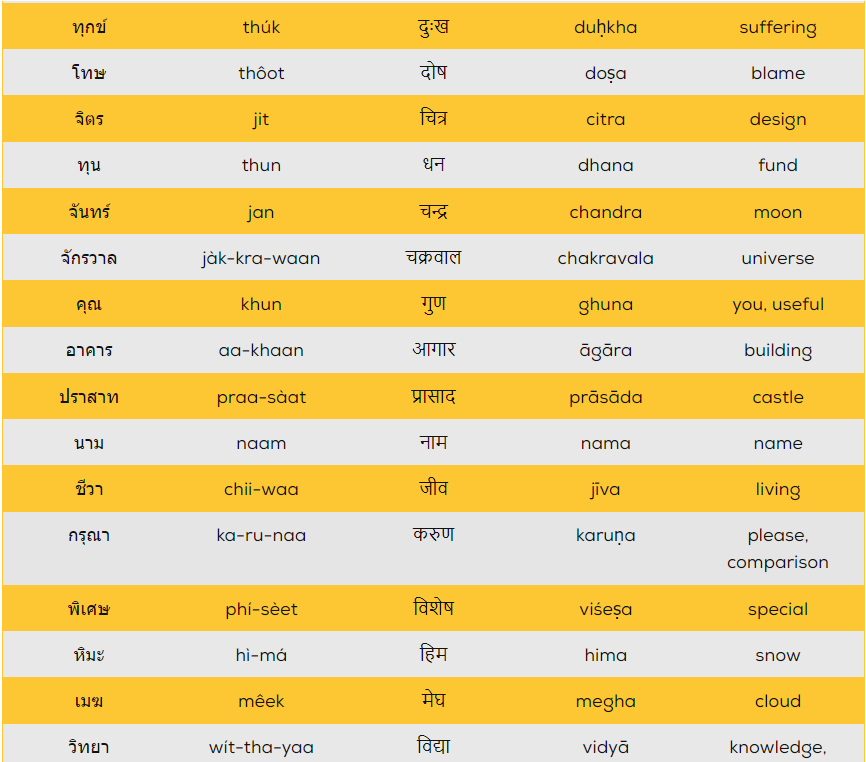
The impact of Hinduism extends to the Thai language, where Sanskrit’s influence is evident. Numerous Thai words bear Sanskrit origins, underscoring the historical and ongoing interactions between Thai and Indian cultures. For instance, many terms in religion, astronomy, and royal titles often originate from Sanskrit.
Contemporary Reflections
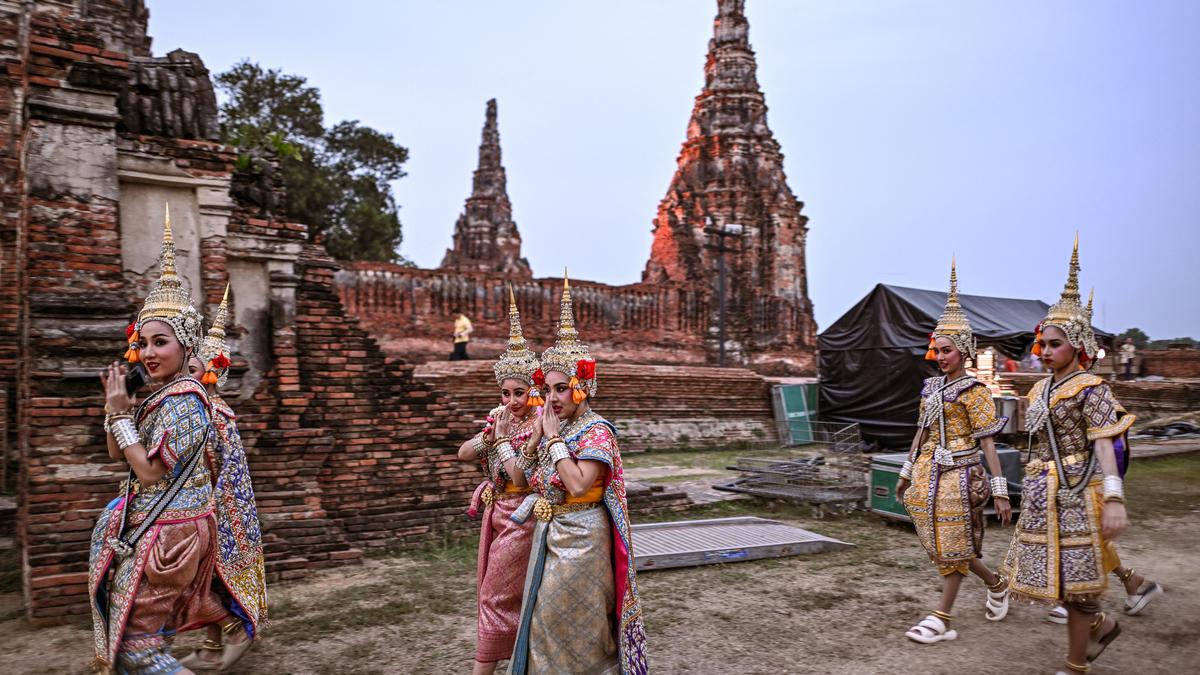
Today, Hinduism’s legacy is visible in various aspects of Thai life, from education to public ceremonies. Scholars and cultural commentators point to the relevance of Sanskrit studies in understanding Thai history and identity, highlighting how these ancient connections shape modern Thai society.
Final Thoughts
The interplay between Hinduism and Buddhism in Thailand exemplifies a unique form of cultural synthesis. This blend has not only enriched Thai culture but also created a diverse religious landscape that respects and celebrates both traditions. Recognising these historical ties offers valuable insights into the complexities of Thai identity and cultural heritage.
Similar read:
- The Role of Buddhism in Modern Thai Society
- Spirit Houses: Understanding Thailand’s Unique Tradition
- Sacred Symbols: Exploring the Meaning Behind Thai Temple Murals
Sources: Nepali Times, SHENLANBAI, Oxford Bibliographies, USC Center on Public Diplomacy, Thai Science, The Hindu, Wikipedia, Thailand Foundation
1 Comment