

Share This Article
Thailand, with its stunning beaches, vibrant culture, and rich biodiversity, has long been a travel hotspot. However, as the tourism industry booms, so does the environmental impact. But there’s good news: many of Thailand’s beloved destinations are now leading the charge toward zero waste tourism. From eco-conscious initiatives to green tourism practices, Thailand is paving the way for a sustainable future.
Let’s take a closer look at how Thailand’s top spots are going green and what more can be done to achieve a true zero-waste experience.
1. Phi Phi Islands: Banning Plastic Bags and Bottles

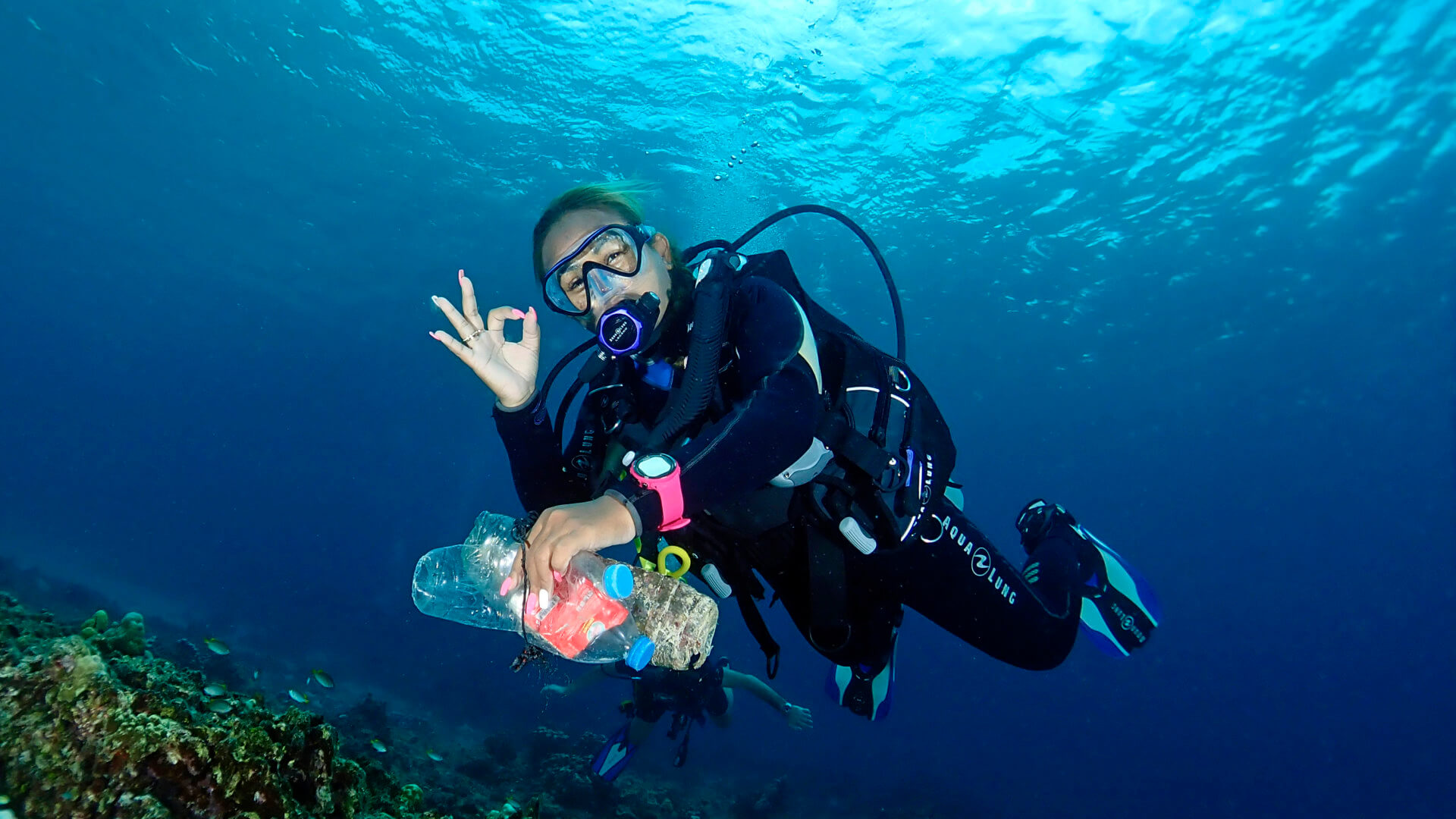
The Phi Phi Islands, known for their crystal-clear waters, have made significant strides toward reducing plastic waste. Local authorities have banned single-use plastic, especially plastic bags, plastic bottles, and straws, to preserve the islands’ pristine beaches. Refillable water stations are becoming a common sight, encouraging tourists to bring their reusable bottles.
What’s Next: Expanding these bans to include food packaging and promoting biodegradable alternatives could further reduce waste.
2. Chiang Mai: Sustainable Homestays and Eco-Lodges

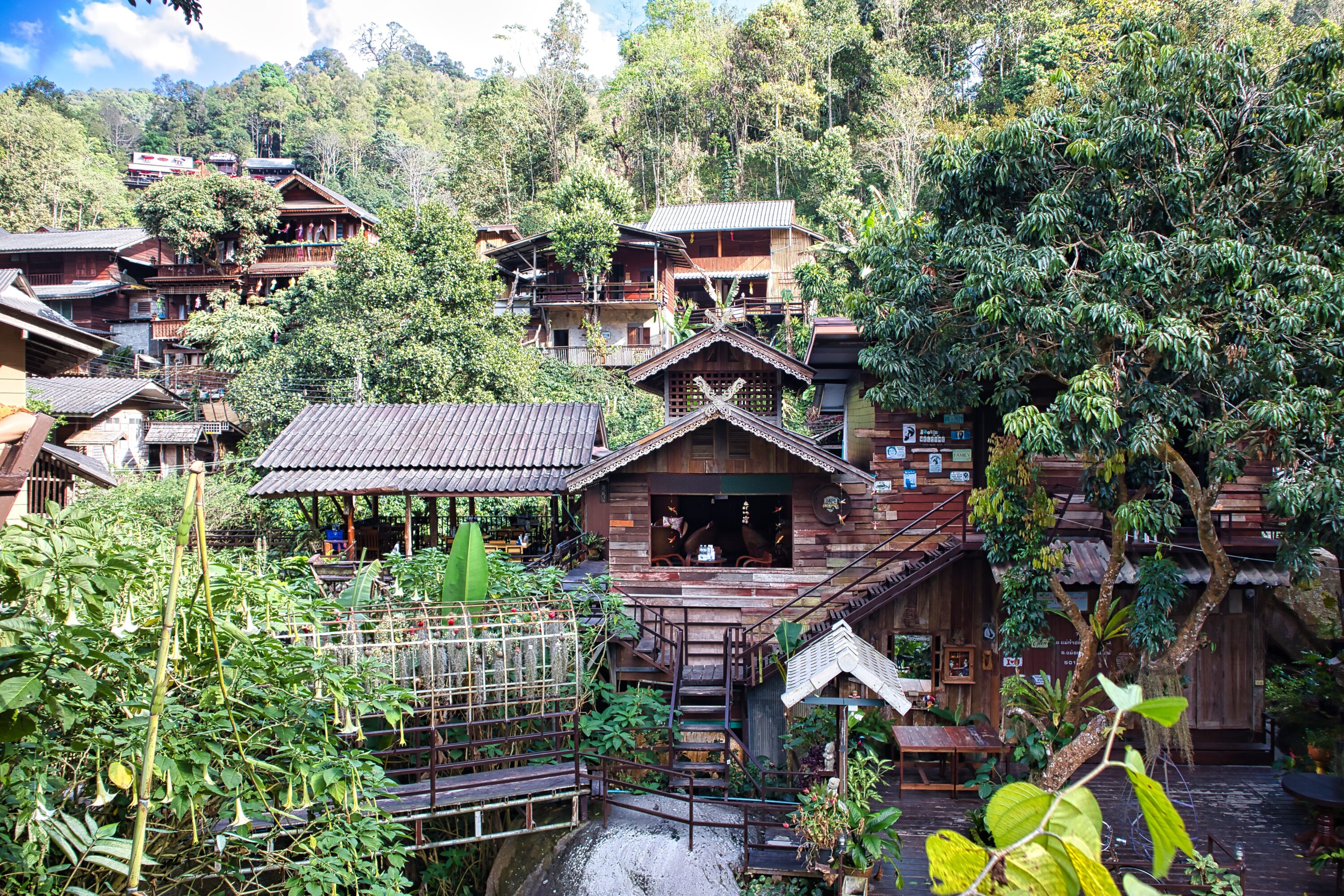
Nestled in northern Thailand, Chiang Mai has embraced sustainable tourism through eco-lodges and homestays. These accommodations often use solar power, recycle water, and offer waste separation systems. Many also work closely with local communities to promote responsible tourism.
What’s Next: Encouraging more hotels to adopt green certifications and offering incentives for waste-free stays could help spread sustainability throughout the region.
3. Bangkok: Urban Green Spaces and Plastic-Free Markets
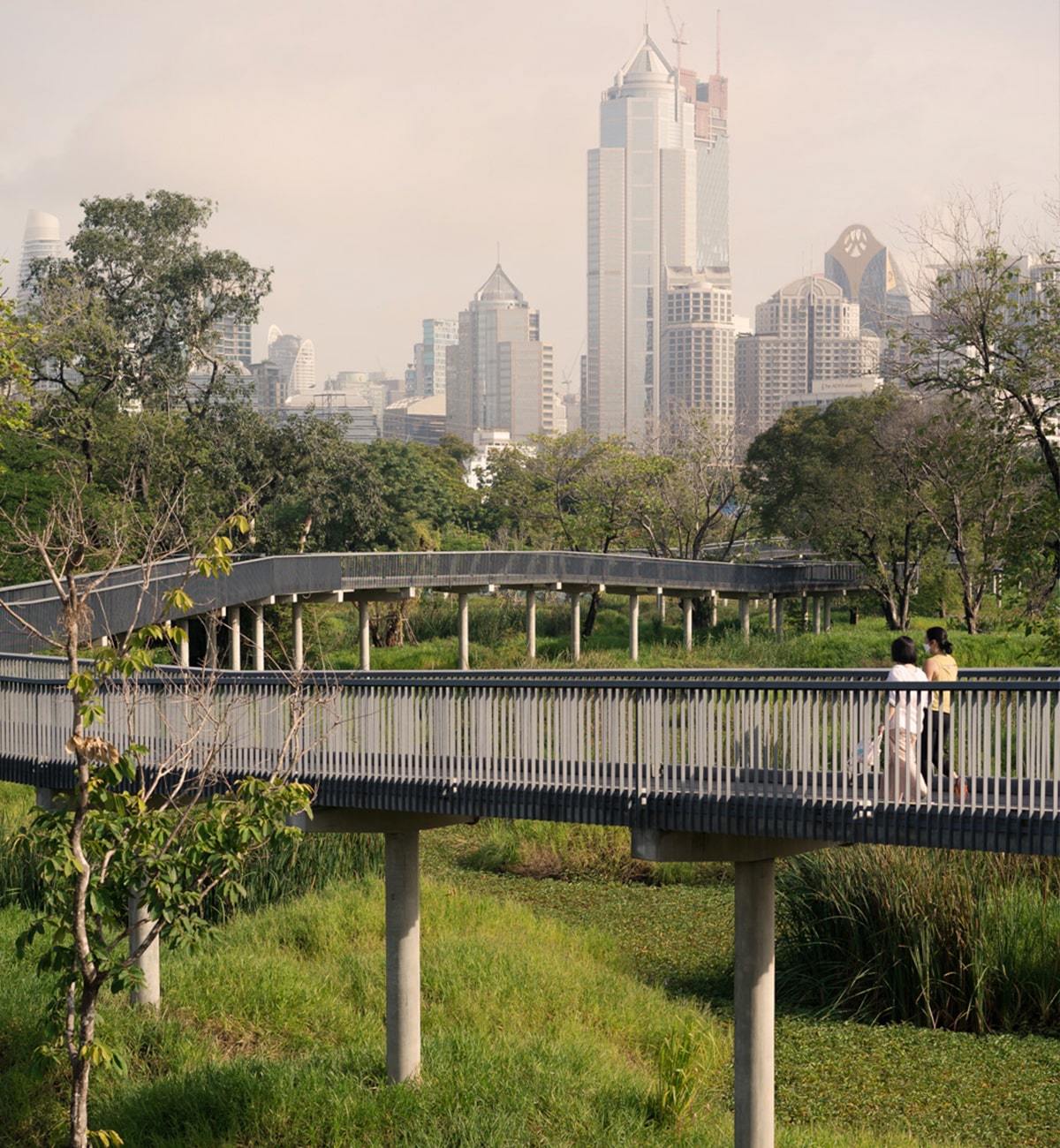
The bustling capital of Thailand may not seem like a beacon of sustainability, but Bangkok is taking steps to green its urban environment. Several local markets, such as the Or Tor Kor Market, have introduced plastic-free initiatives, encouraging shoppers to bring their containers. The city has also invested in expanding green spaces like Benjakitti Park, where eco-conscious visitors can escape the hustle and bustle while respecting the environment.
What’s Next: Bangkok can go even greener by promoting public transportation options that reduce carbon footprints and expanding zero-waste education at its famous tourist attractions.
4. Koh Samui: Composting Programmes and Beach Cleanups
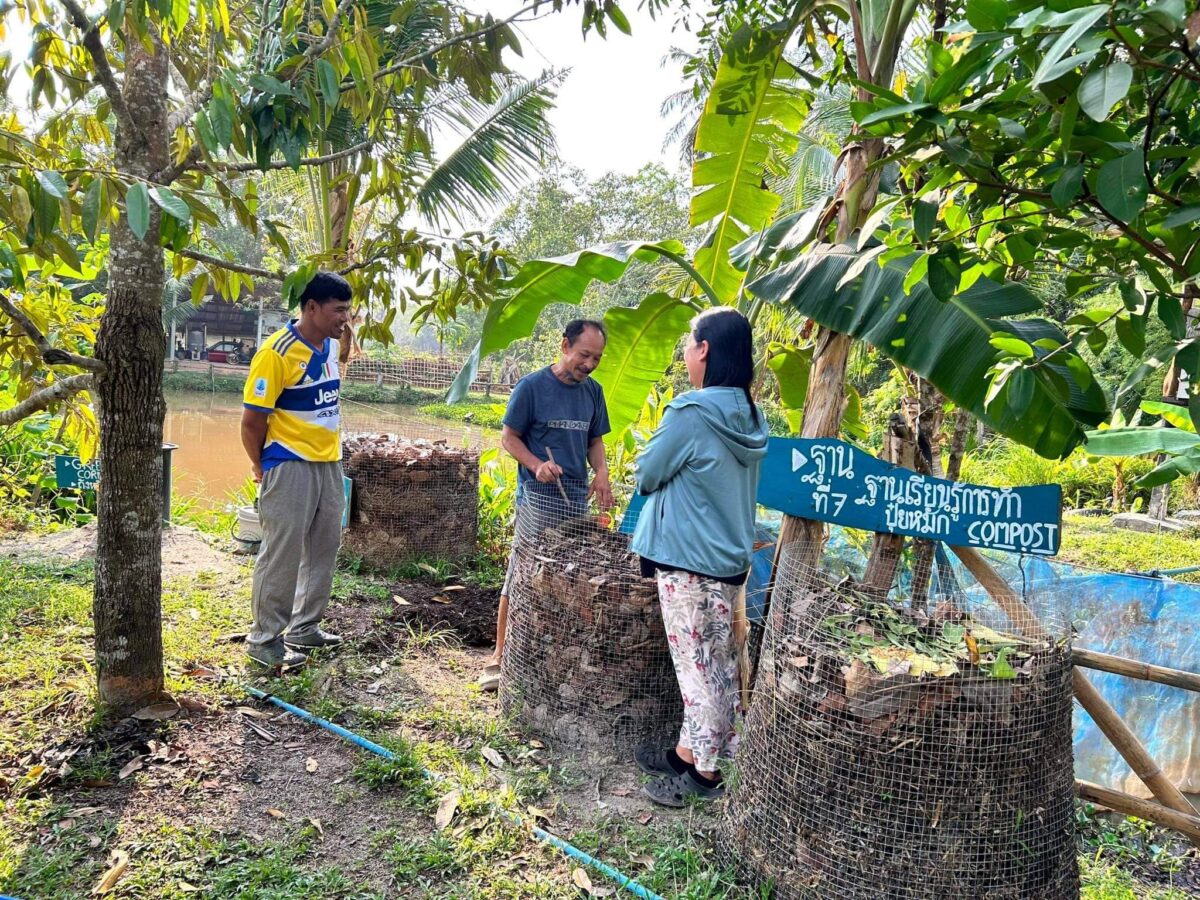
Koh Samui, one of Thailand’s most popular island destinations, is tackling food waste through composting programmes. Several resorts have introduced on-site composting systems, turning food scraps into fertiliser for their organic gardens. In addition, beach cleanups organised by both locals and tourists are helping to remove plastic and other pollutants from the shoreline.
What’s Next: Establishing community-wide composting facilities and encouraging more tourists to take part in local cleanups could significantly boost Koh Samui’s green efforts.
5. Koh Tao: Coral Preservation and Sustainable Diving
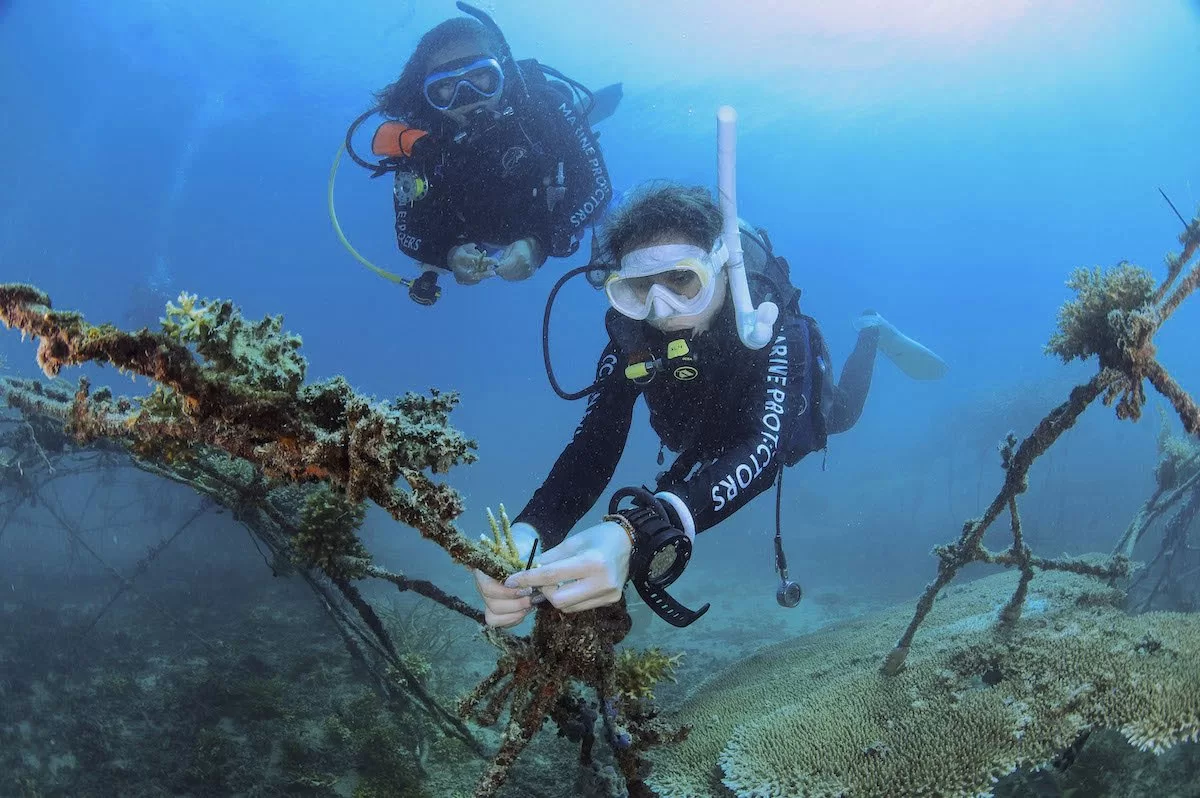
Koh Tao, famous for its diving sites, has seen the rise of sustainable diving schools and coral preservation projects. Tourists can participate in reef cleanups and marine conservation workshops, learning how to dive with minimal environmental impact. These initiatives help preserve the delicate ecosystems that make Koh Tao a premier dive spot.
What’s Next: Expanding education programmes on coral preservation and sustainable diving and reducing single-use plastics within the dive community can further protect Koh Tao’s underwater treasures.
6. Ayutthaya: Promoting Bike Tours Over Motor Vehicles
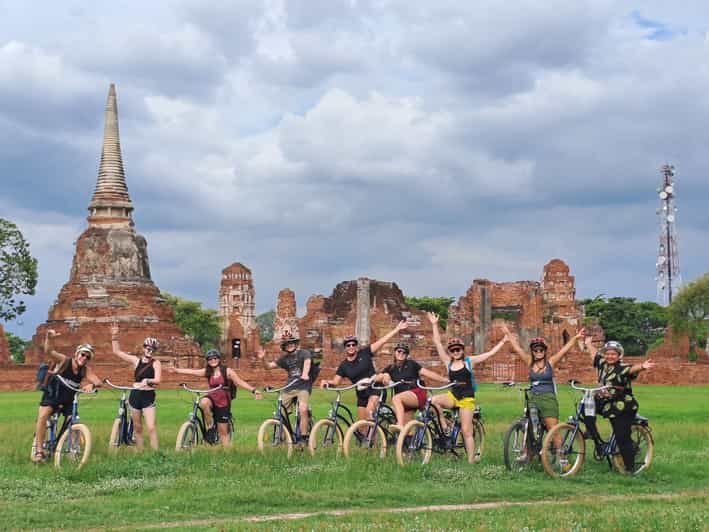
The historical city of Ayutthaya has introduced bike tour options, allowing visitors to explore ancient ruins without contributing to air pollution. These eco-friendly tours not only offer a greener way to travel but also help visitors connect with the landscape at a slower, more sustainable pace.
What’s Next: Implementing bike rentals and increasing pedestrian-friendly areas could enhance the sustainability of Ayutthaya’s tourism sector.
How Thailand Can Improve Its Zero Waste Efforts
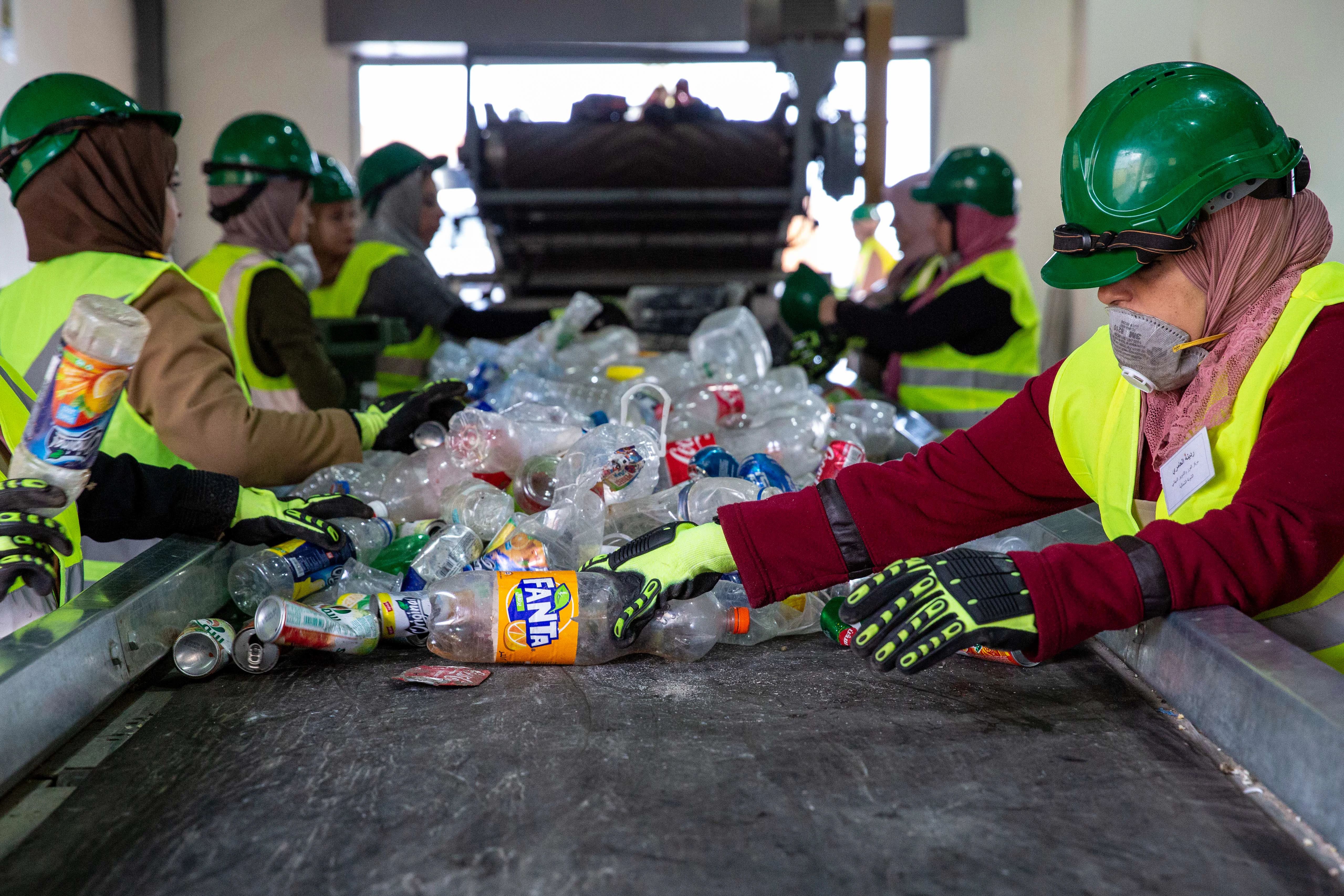
As the country’s main source of income is tourism, strengthening the waste reduction efforts nationwide can reduce the negative impacts on the country’s natural resources in the long term. While Thailand is making incredible progress, there’s always room for improvement. Some actions that could bolster the country’s green tourism efforts include:
- Expanding Plastic Reduction Initiatives: National parks and other tourist hotspots should implement comprehensive recycling systems, enforce stricter plastic bans, and establish composting programmes to reduce waste.
- Improving Waste Management System: Establishing more efficient waste management infrastructure, particularly in high-traffic tourist areas, can help reduce pollution and encourage recycling. Investing in waste sorting facilities and expanding landfill alternatives would be crucial steps forward.
- Government Support: Local governments can provide incentives for businesses that adopt sustainable practices, as well as implement penalties for those that do not.
- Educating Tourists: Encouraging visitors to adopt a “leave no trace” mentality is key to reducing waste. Providing educational materials about how to travel responsibly at airports, hotels, and major attractions can go a long way.
A Greener Future for Thailand’s Tourism
Thailand is taking bold steps towards zero waste tourism, but the journey is far from over. With more communities, businesses, and tourists committing to green practices, Thailand can continue to be a top destination while preserving its natural beauty and natural resources for generations to come. Whether you’re visiting Thailand’s islands, cities, or rural regions, you can contribute to this movement by making eco-conscious choices, reducing waste, and spreading the word about sustainable travel.
Similar read:
- Thailand’s Coral Reef Restoration Efforts: A Model for Marine Conservation
- Designing with Nature: 10 Eco-Friendly Thai Architecture Projects
- Sustainable Agriculture in Action: 8 Farms Shaping the Future
Sources: Bangkok Post, The Nation Thailand, Phi Phi Don Island, NDC Partnership, Central Group
1 Comment