

Share This Article
Thailand, a country often lauded for its cultural tolerance and spiritual devotion, presents a unique intersection of Buddhism and gender identity. While gender fluidity and non-binary identities are widely acknowledged in Thai society, traditional Buddhist doctrines often appear rigid in their treatment of gender roles. How, then, does Thai Buddhism reconcile its spiritual teachings with the reality of gender diversity?
Gender Fluidity in Thai Society: A Longstanding Presence
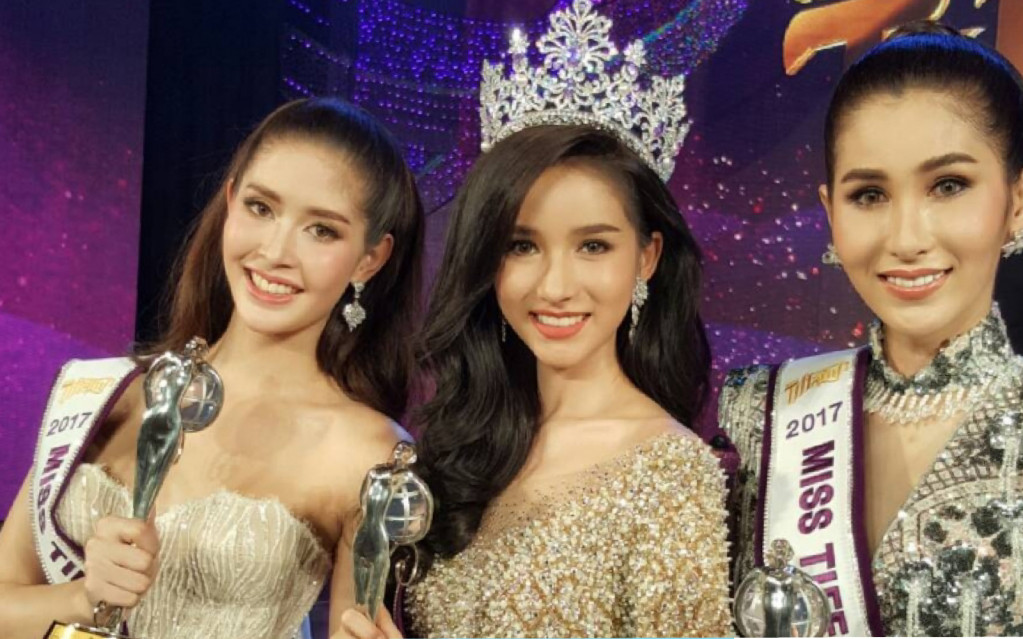
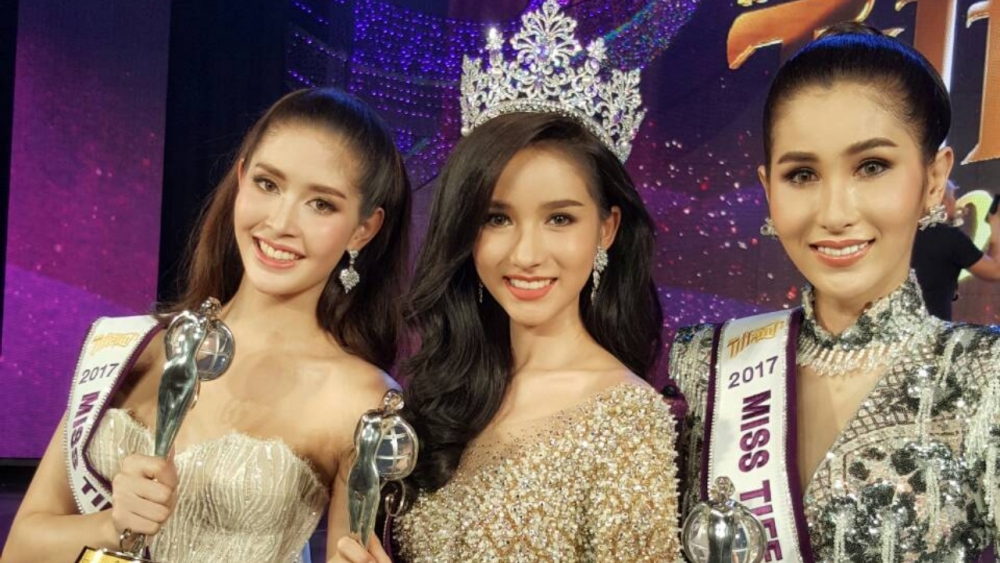
Thai society has long recognized diverse gender identities beyond the binary framework. The term kathoey, often translated as “ladyboy” or “third gender,” has historically referred to individuals who do not conform to traditional male or female classifications. From ancient Siamese courts to modern Bangkok, kathoey and other gender-fluid individuals have played roles in entertainment, religious rituals, and even governance.
Buddhism and Gender: Theoretical Perspectives
Classical Buddhist teachings focus on the impermanence of all things, including identity. The doctrine of anatta (no-self) suggests that clinging to rigid gender definitions contradicts the nature of existence. However, Buddhist texts also reflect historical gender biases.
- The Vinaya Pitaka, a foundational text outlining monastic discipline, prohibits women and gender-nonconforming individuals from full ordination as monks (bhikkhus).
- Certain interpretations of karma suggest that being born as a kathoey results from past-life moral transgressions, reinforcing social stigmas.
Despite these traditional beliefs, many contemporary Buddhist monks and scholars argue that compassion (karuna) should take precedence over rigid interpretations, fostering acceptance of gender diversity within Buddhist philosophy.
The Struggle for Ordination: Can Gender-Fluid Individuals Become Monks?


One of the most contentious issues within Thai Buddhism is whether transgender or non-binary individuals can enter the monastic order
- Historically, Thai monastic institutions have denied kathoey ordination due to their ambiguous placement within the male-female binary required by Buddhist monastic laws.
- Some monasteries in Chiang Mai and other progressive regions have created alternative spaces for gender-nonconforming individuals to practice Buddhism without formal ordination.
- In contrast, countries such as Sri Lanka and Taiwan have made strides in gender-inclusive Buddhist ordination, sparking debate over whether Thailand should follow suit.
Compassion vs. Tradition: The Thai Buddhist Dilemma
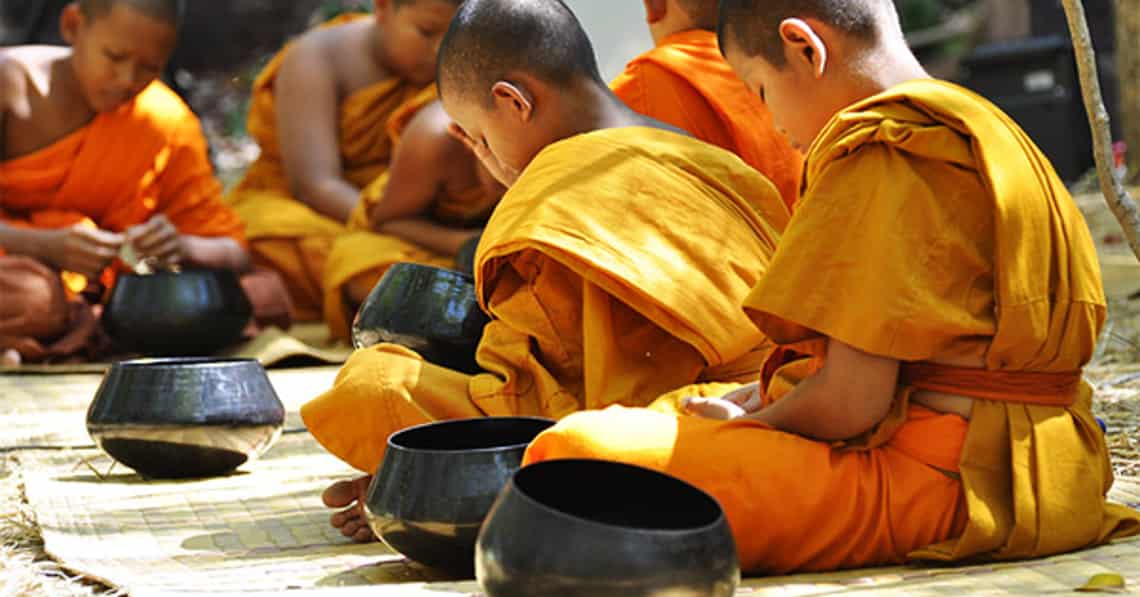
Thai Buddhism, like much of the society it shapes, exists in a paradox: it preaches acceptance and impermanence while often adhering to rigid structures that marginalize gender-diverse individuals.
Many progressive monks advocate for a reinterpretation of Buddhist scriptures that align with the core principles of kindness and non-discrimination. However, conservative factions within Thai Buddhism resist such changes, fearing they could undermine monastic discipline and tradition.
Looking Ahead: A Path to Inclusion?
As global conversations on gender inclusivity gain momentum, Thailand’s Buddhist institutions face increasing pressure to reconsider their stance on gender fluidity. Some potential pathways forward include:
1. Reinterpreting Buddhist Texts – Emphasizing teachings on compassion and impermanence over rigid gender roles.
2. Creating Inclusive Monastic Spaces – Establishing new forms of ordination that accommodate gender-fluid individuals.
3. Public Education and Awareness – Encouraging discourse on gender within Buddhist teachings to reduce societal stigmas.
By embracing change while staying true to Buddhist principles, Thai Buddhism has the potential to lead a global conversation on spirituality and gender diversity.
A Sacred Balance
The interplay between Thai Buddhism and gender fluidity reveals a fascinating struggle between tradition and progress. While Thai society widely acknowledges non-binary identities, institutional Buddhism remains hesitant to fully embrace this diversity. The question remains: Can Thai Buddhism evolve to reflect the fluid nature of human existence, or will it continue to uphold structures that no longer resonate with modern realities?
Similar read:
- Buddhism and Power: The Influential Monks Shaping Thai Politics
- The Role of Buddhism in Modern Thai Society
- The Influence of Buddhism: 10 Monasteries That Inspire
Sources:
[1] Wikipedia
[2] The Nation
[3] Cambridge
[4] Male Homosexuality and Transgenderism in the Thai Buddhist Tradition