

Share This Article
Thailand, often referred to as the “Land of Smiles,” is also home to a unique cultural identity that embraces gender diversity in ways few other nations do. Transgender individuals, commonly known as kathoey or “ladyboys,” have a long-standing presence in Thai society, rooted in both cultural heritage and contemporary relevance. Yet, their journey is a complex tapestry of acceptance, struggle, and evolving narratives.
The Historical Roots of the Kathoey Identity
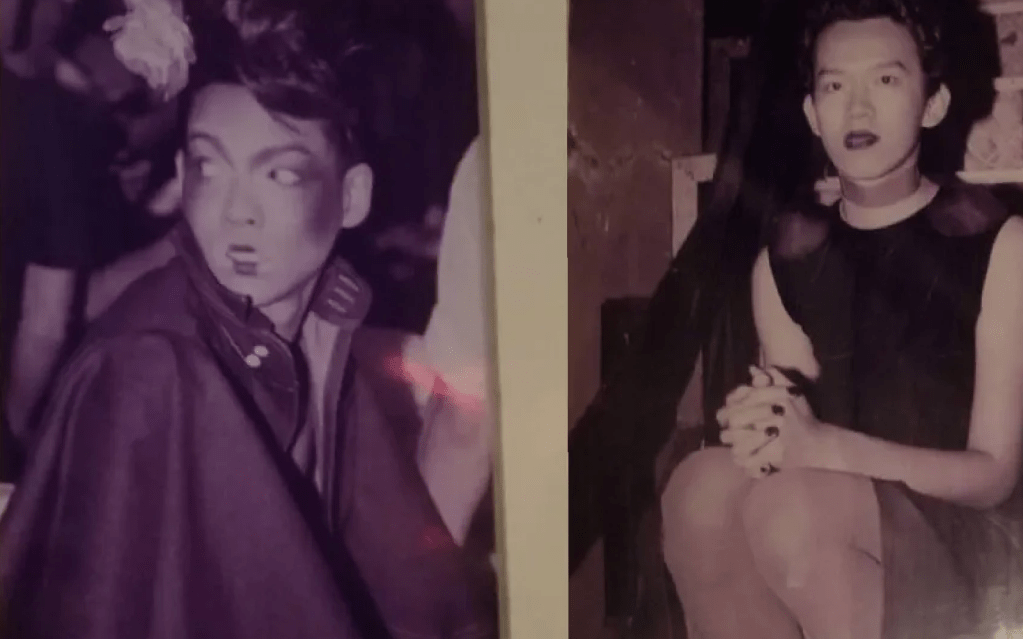

The presence of kathoey in Thai society dates back centuries, with historical texts and folklore often referencing individuals who transcended traditional gender roles. In ancient Siam, kathoey were sometimes revered for their perceived spiritual balance, embodying both masculine and feminine energies. This idea is rooted in Buddhist beliefs, where the concept of duality and karma often influences perceptions of gender and sexuality.
Kathoey and Buddhism: A Complicated Relationship


Buddhism, practiced by the majority of Thais, plays a significant role in shaping societal attitudes toward kathoey. While Buddhist teachings generally emphasize compassion and acceptance, traditional interpretations of karma have sometimes positioned transgender individuals as facing consequences of past-life actions. This duality has created a societal space where kathoey are both visible and, at times, marginalized.
Cultural Acceptance vs. Social Challenges
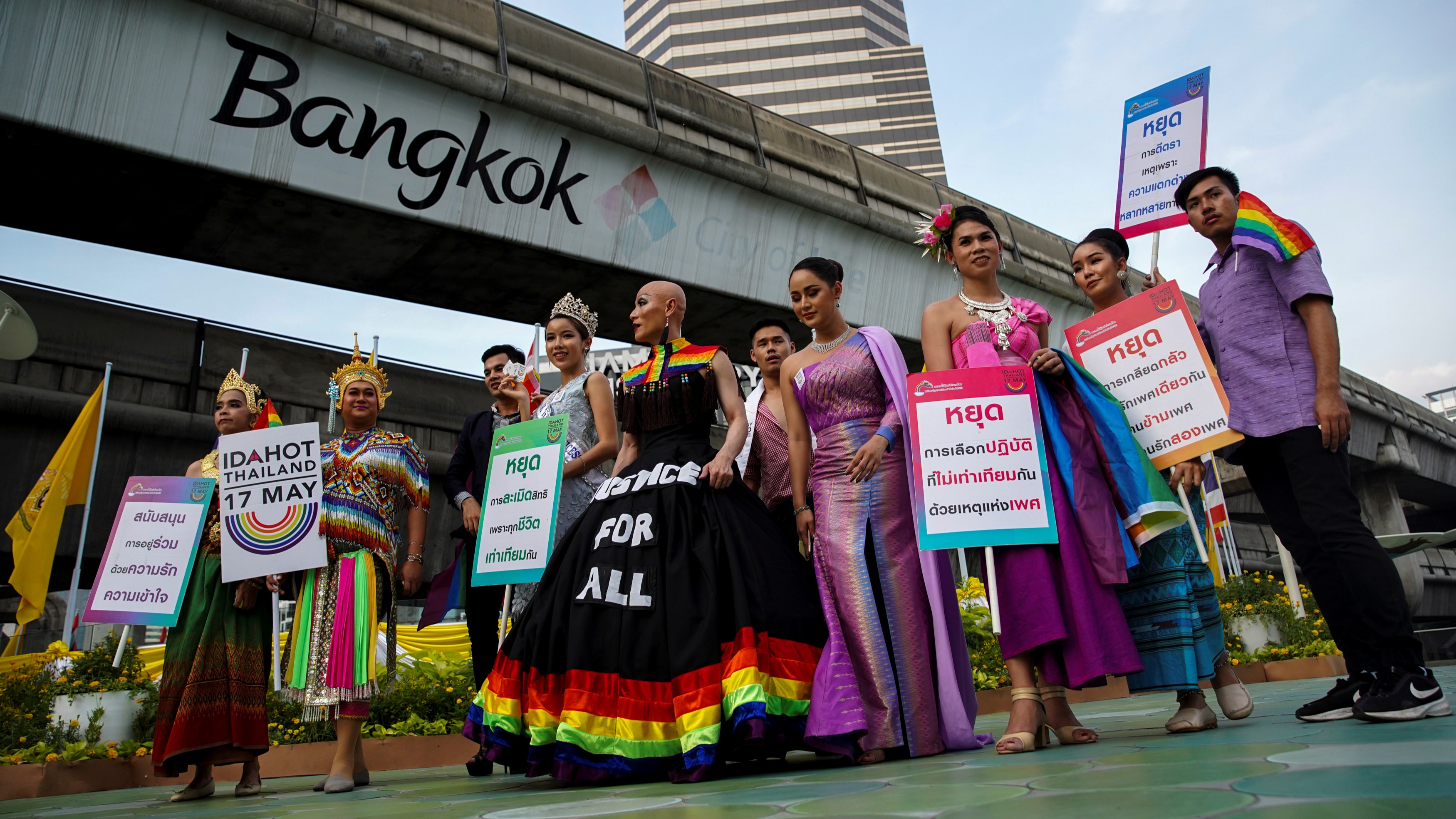
Thailand is often celebrated for its visible LGBTQ+ community, and kathoey enjoy a level of cultural acceptance that is rare in many other countries. They are prominent in the entertainment, beauty, and tourism industries, often viewed as cultural icons. The annual Miss Tiffany’s Universe beauty pageant, for instance, showcases the glamour and talent of kathoey contestants on an international stage.
However, visibility does not always equate to full societal acceptance. Kathoey often face legal and institutional barriers, such as being unable to change their gender on official documents or facing discrimination in certain workplaces. This dichotomy reflects Thailand’s struggle to reconcile its cultural tolerance with the need for systemic equality.
Economic Contributions and Misrepresentation
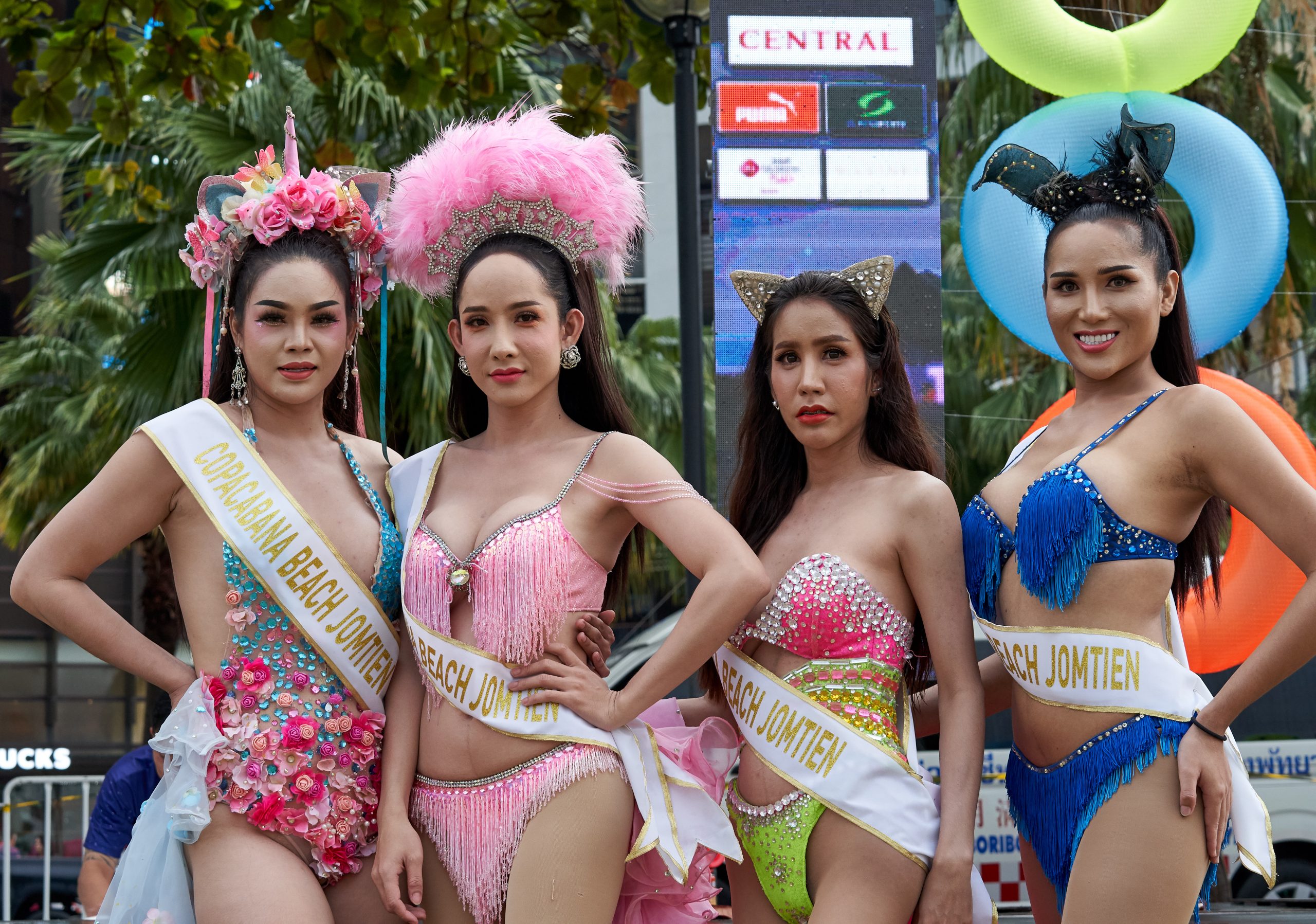
The economic role of kathoey in Thailand’s booming tourism industry cannot be understated. From cabaret shows in Pattaya to appearances in media and advertisements, kathoey are integral to Thailand’s cultural brand. However, this visibility sometimes reduces them to stereotypes, overshadowing their individuality and struggles.
Global Fascination and Cultural Sensitivity
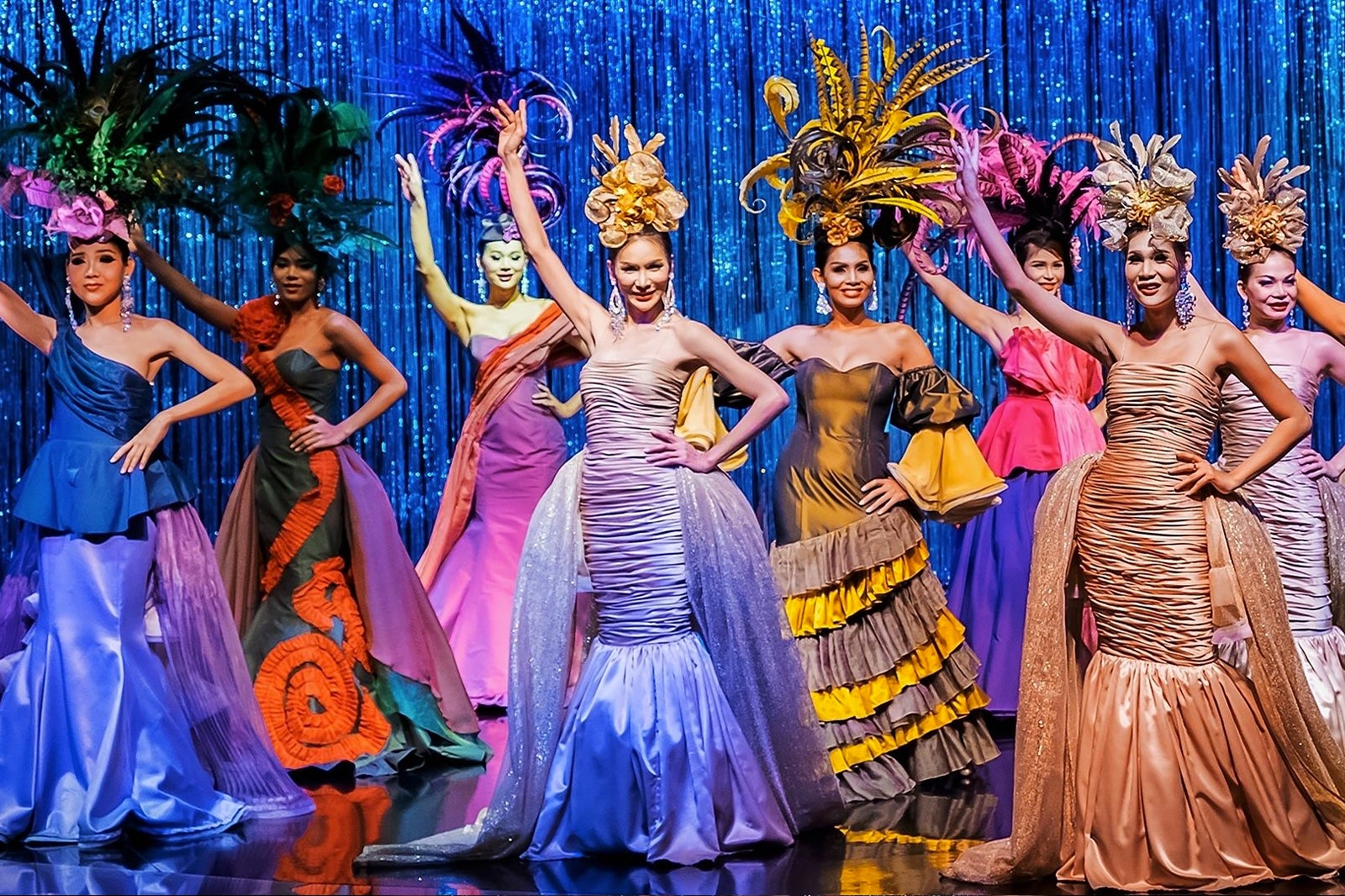
The fascination with kathoey extends far beyond Thailand’s borders. Tourists flock to cabaret shows and beauty contests, eager to experience this unique aspect of Thai culture. While such interest generates economic benefits, it often risks objectifying kathoey and reinforcing superficial narratives.
Moving Toward Equality
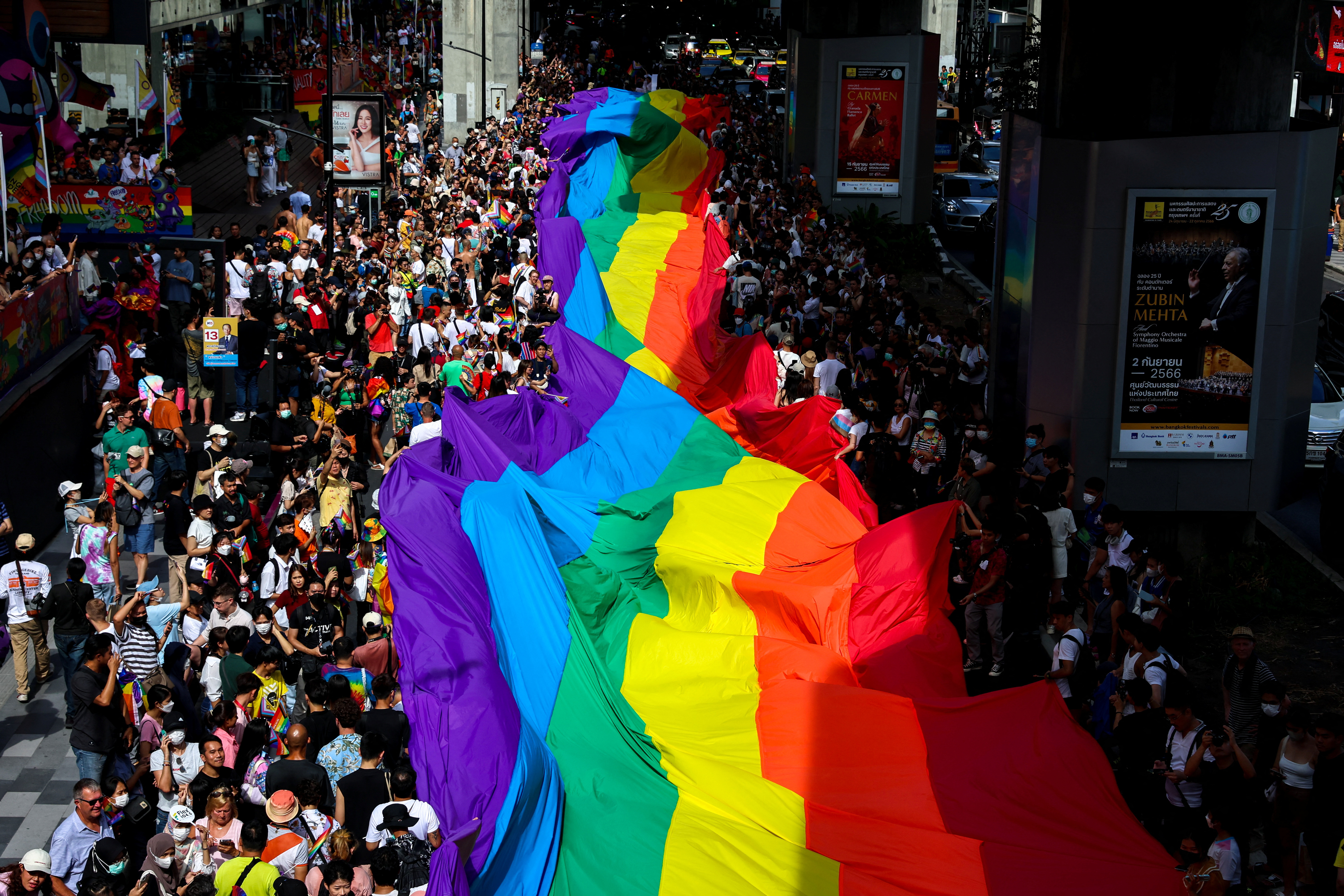
Recent years have seen a growing movement advocating for the rights and recognition of transgender individuals in Thailand. Activists are pushing for legal reforms, including gender recognition laws and anti-discrimination protections. These efforts aim to shift the narrative from mere cultural acceptance to genuine equality and empowerment.
Beyond the Surface
The story of Thailand’s kathoey is one of resilience, beauty, and complexity. While their presence enriches Thailand’s cultural identity, their journey highlights the global struggle for transgender rights and recognition. By embracing their stories with respect and advocating for systemic change, Thailand has the potential to set a global example of inclusivity and equality.
Similar read:
- Pride in Paradise: Celebrating LGBTQ+ Culture in Thailand
- Thai Drag Culture: A Vibrant Celebration of Self-Expression
- Love Wins in Thailand: Same-Sex Marriage Now Legal
Sources:
[1] Wikipedia
[2] Biosphere Sustainable
[3] UME Travel
[4] TaleTravels.com
[5] Jetset Times
[6] MySakonNakhon.com